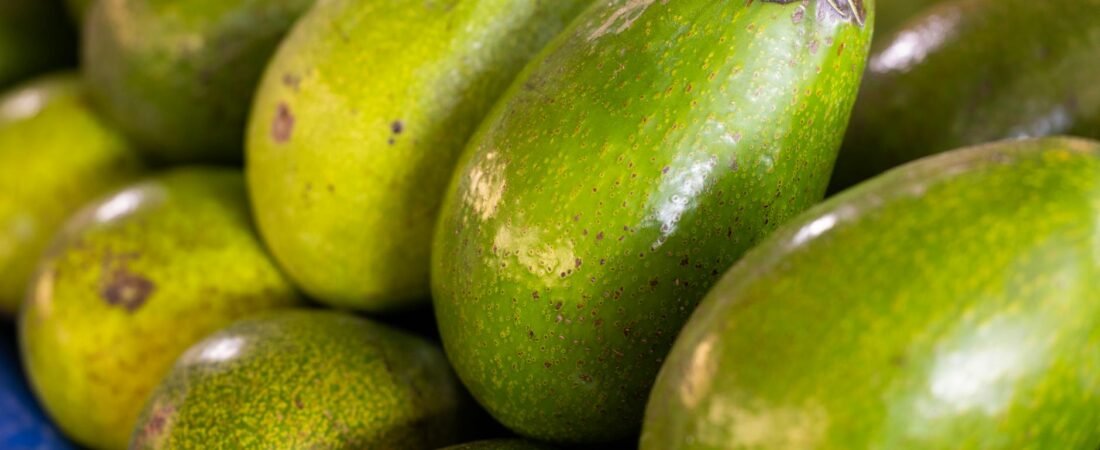
TL;DR
- Avocados do not behave like berries or lettuce. They are climacteric fruit, so they keep ripening after harvest and can move from firm to overripe in a short window once ethylene-driven ripening speeds up. (ishs.org)
- Once you cut an avocado, oxygen triggers enzymatic browning, so the clock gets much shorter. (sciencedirect.com)
- The storage method that helps most is simple: leave hard avocados on the counter, then refrigerate them whole as soon as they reach the ripeness you want. (californiaavocado.com)
- For leftovers, add a little lemon or lime juice, press wrap directly against the flesh or seal in a tight container, and refrigerate promptly. (californiaavocado.com)
- If you buy avocados in mixed ripeness stages instead of all on the same schedule, you can reduce waste and keep more of your grocery budget in your kitchen instead of the trash. EPA estimates wasted food costs a household of four about $2,913 a year. (epa.gov)
Avocados create a very specific kind of grocery frustration. They are hard when you start planning meals, perfect when nobody is ready to eat them, and brown or mushy by the time you remember them. That feels random, but it usually is not. The avocado problem is mostly a timing problem disguised as a storage problem. EPA now estimates wasted food costs a household of four about $2,913 a year, and higher-cost produce is one of the easiest places for that waste to pile up. (epa.gov)
The good news is that the fix is simpler than most hacks. Do not refrigerate rock-hard avocados, but do move whole avocados to the refrigerator as soon as they reach the ripeness you want. Then, once cut, protect the flesh from air, keep it cold, and use it quickly. That counter-then-chill approach works because it matches how avocados actually ripen instead of fighting it. (ishs.org)
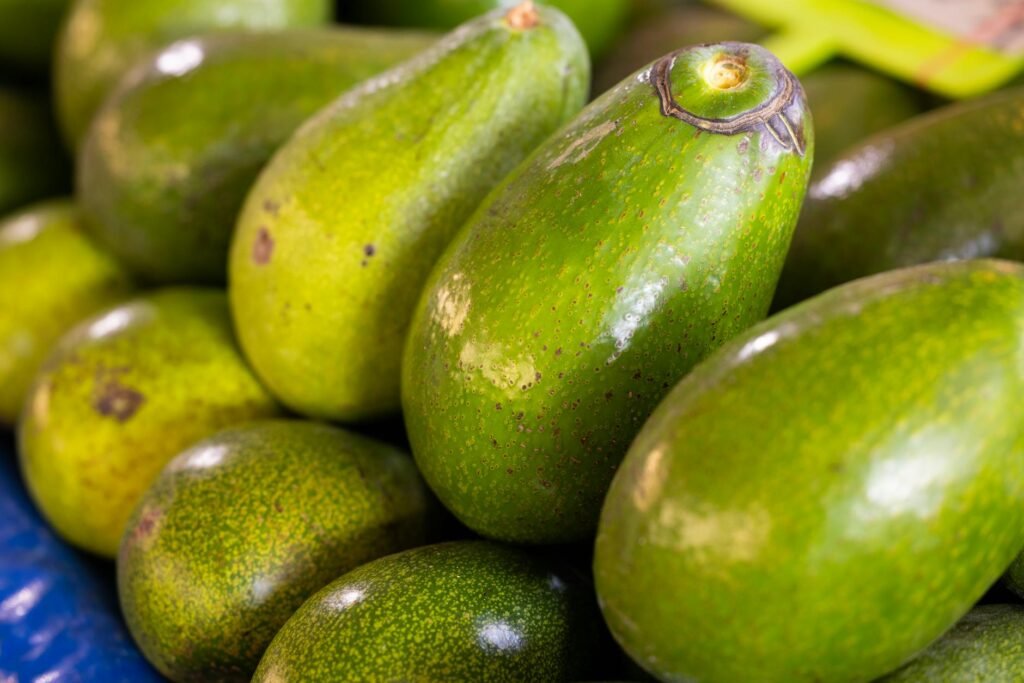
Why avocados seem to go bad overnight
Avocados are climacteric fruit. In plain English, they keep ripening after harvest, driven by rising ethylene production and respiration. That is why a hard avocado can sit still for a few days and then soften quickly once the ripening cycle takes off. Nearby ethylene-producing fruit can push that process along, which is why avocados left beside bananas, apples, or kiwi often seem to sprint past their best window. (ishs.org)
Once you cut an avocado, a second clock starts. Cutting damages cells and exposes polyphenol oxidase and related compounds to oxygen, which leads to enzymatic browning. Cut produce also has a shorter shelf life than intact produce, and the FDA has noted that processed avocado is high-moisture and relatively low-acid, conditions that can support harmful bacteria. Brown does not always mean dangerous, but it does mean quality is moving in the wrong direction. (sciencedirect.com)
The storage method that actually helps
The method that works best in a normal home kitchen is not a gadget or a trick. It is temperature timing. Leave hard avocados at room temperature until they reach the stage you need. Then refrigerate them whole to slow the rest of the ripening. If you wait until they are already overripe, the fridge will not rescue them. If you chill them while they are still hard, some fruit may ripen slowly or poorly. (californiaavocado.com)
Use the Counter-Chill-Seal Rule
- Counter: Keep hard avocados at room temperature and check them daily. If you want faster ripening, a paper bag with a banana, apple, or kiwi can speed the ethylene effect. If you want slower ripening, keep avocados away from those fruits. (californiaavocado.com)
- Chill: As soon as an avocado yields gently to pressure in the palm of your hand, move it to the refrigerator, ideally in the main compartment rather than the door. Think of the fridge as a pause button, not a reset button. (californiaavocado.com)
- Seal: For a cut avocado, brush or sprinkle the exposed flesh with lemon or lime juice or a little vinegar, press wrap directly against the surface or use a tight container, and refrigerate it promptly. Acid and low temperature slow browning better than casual, loose wrapping. (californiaavocado.com)
- Safety check: Wash and dry the avocado before slicing so bacteria on the skin are less likely to transfer from the knife into the flesh, and refrigerate cut produce within 2 hours, or within 1 hour if it sat out above 90°F. (fda.gov)
| Stage | What it feels like | Best place to store it | Working window | Best use |
|---|---|---|---|---|
| Hard or unripe | No give | Counter, away from bananas and apples unless you want faster ripening | Check daily for the next few days | Later-week meals |
| Firm-ripe | Slight give | Counter if using tomorrow, fridge if using later this week | Short counter window; fridge buys more time | Slicing, salads, sandwiches |
| Ripe and whole | Gentle give all over | Fridge main compartment | Usually about 2 to 3 days of best quality | Toast, tacos, mash |
| Cut half | Exposed flesh | Lemon or lime plus direct-contact wrap or tight container in fridge | Best same day to next day | Leftovers |
| Very soft or extra ripe | Easy give, close to collapsing | Use now or mash and freeze | Same day for best quality | Guacamole, dressing, sauce |
The point of the table is not to turn avocado storage into homework. It is to match the fruit to your meal plan. If taco night is Thursday and the avocado is ready on Tuesday, the fridge helps. If brunch is tomorrow and the avocado is still hard today, the counter helps. That sounds obvious, but this is the habit that prevents most avocado waste at home. (californiaavocado.com)
A realistic grocery example
Assuming you buy 4 avocados weekly for $_______ each and one of them goes bad (mushy) before you use it = $_______ lost for the week or approximately $_______ for the year. Not budgeting a crisis, but that is how quickly you can accumulate grocery loss; consistent repetitive minor incidents on foods that have never been that low-cost.
Now execute the Counter-Chill-Seal Rule. You purchase a pair of avocados that are hard for use later in the week and a pair of avocados that are just about ripe for use the next day. The next day you put one of the pair that are just about ripe into the refrigerator – the original dinner plans changed, and so you did not need to use the avocado until two days later. The remaining avocado becomes a cut piece, with lime juice on it and tightly covered for lunch the following day. So, in the above example you wasted nothing. The method for delaying the use of the avocados did not enhance the quality of the avocados. It delayed their usage at a point where it mattered.
That kind of small win matters because food waste is usually not one dramatic spoilage event. It is a series of preventable misses. USDA and EPA both frame wasted food as a household-cost issue, not just an environmental one. (usda.gov)

How to shop so the whole bag does not ripen on Tuesday
- Buy at least two ripeness stages if you can: one or two ready soon, the rest harder for later.
- Use feel more than color. Hass avocados often darken as they ripen, but some varieties can stay green. (californiaavocado.com)
- Skip fruit with obvious dents, broken skin, or oversoft spots. Avocados can bruise internally, and damage shortens their useful life. (sciencedirect.com)
- If you are buying for guests, get a backup avocado at a slightly firmer stage instead of buying every fruit fully ripe on the same day.
A 5-minute reset when you get home from the store
- Sort the avocados by feel, not color alone. Some varieties stay green even when ripe, so color is only a clue. (californiaavocado.com)
- Mark them mentally or with a small sticker: today, two days, or later. This is the easiest way to stop a whole bag from following one ripening schedule.
- Leave the hard ones on the counter. If you want them ready sooner, bag them with a banana or apple. If not, store them away from those fruits. (californiaavocado.com)
- Move any firm-ripe or ripe fruit to the fridge right away. Keep the refrigerator at 40°F or below. (californiaavocado.com)
- Wash only the avocado you are about to cut, then dry it well before the knife goes through the skin. (fda.gov)
- If one is already very soft and you will not use it in the next day or two, mash it with a little lemon or lime and freeze it in a small portion. Freezing preserves safety, though texture may be softer after thawing. (fsis.usda.gov)
Common mistakes that shorten avocado life
- Refrigerating hard avocados too early. Cold slows ripening, which sounds helpful, but with avocados it can leave you waiting much longer or disappointed with the final texture. (californiaavocado.com)
- Leaving ripe avocados on the counter because they still look fine. Once they reach eating ripeness, the fridge is the better holding zone. (californiaavocado.com)
- Buying every avocado at the same ripeness stage. A mixed set is easier to manage than six avocados all scheduled for the same day.
- Judging ripeness by color only. Hass darkens, but not every avocado behaves that way. (californiaavocado.com)
- Wrapping a cut half loosely and leaving an air pocket over the flesh. Direct-contact wrap or a tighter container does more to limit oxygen exposure. (californiaavocado.com)
- Treating a brown surface as automatic trash. Light surface browning is usually oxidation, but mold, slime, or a sour or rotten smell means discard it. (sciencedirect.com)
- Skipping the rinse before slicing. FDA notes that contamination on the skin can transfer by knife into the edible portion. (fda.gov)
- Using wet-storage hacks instead of cold, sealed storage. Because FDA has found Listeria monocytogenes on avocado skins and physically altered produce has a shorter shelf life, the safer editorial call is to keep leftovers cold and sealed, not soaking. This is an inference from the food-safety evidence, not a direct FDA home-storage instruction. (fda.gov)
When the first plan still is not enough
Sometimes the method is not the problem. The fruit was already damaged. Avocados bruise easily, and internal defects do not always show on the skin. If you cut one open and find large brown patches, mold near the stem, or a fermented smell, the fridge did not fail; the fruit was probably compromised before you got it home. (sciencedirect.com)
Your backup options should be practical. If several avocados are ripening at once, turn the ripest one into dinner, chill the next two whole, and freeze any extra mashed avocado in single-meal portions. If you meal-prep lunches, use avocado in foods where slight softening is less noticeable, like mash for sandwiches, dressing, or a blended sauce, instead of neat slices. If you need perfect slices for guests, do not rely on an avocado that is already very soft. (fsis.usda.gov)
There is also a quality limit the fridge cannot beat. Refrigeration slows ripening; it does not reverse it. Once the fruit has collapsed, turned unpleasantly stringy, or developed off flavors, the money-saving move is not heroic preservation. It is using the next avocado earlier and buying on a staggered schedule next time. (californiaavocado.com)
How to pressure-test this advice in your own kitchen
If you want proof, run a small kitchen test instead of trusting any article, including this one. Buy three similar avocados. Leave one on the counter the whole time. Refrigerate one as soon as it reaches your preferred firmness. Cut the third when ripe, add acid, seal it tightly, and refrigerate it. Label each with the date and compare texture, browning, and waste. You will often see that timing the fridge beats either constant counter storage or casual leftover storage. (californiaavocado.com)
- Put a thermometer in the fridge and confirm it stays at 40°F or below. (fda.gov)
- Write down the purchase date and the day each avocado became firm-ripe.
- Note which ones were chilled whole and which ones were left on the counter.
- After two weeks, count how many avocados you used versus tossed. If waste is still high, the problem may be buying too many at once, not how you stored them.
This article is general food-storage information, not medical advice. If you are pregnant, older, immunocompromised, or cooking for someone who is, be stricter with cut-produce timing and discard questionable avocado sooner. Listeria can survive and grow under refrigeration, and FDA has detected Listeria monocytogenes on some avocado skins. (fda.gov)
Bottom line
Avocados do not go bad for no reason. They ripen fast after harvest, they brown quickly once cut, and their best window is short. The storage method that actually helps is simple: leave them on the counter until they reach the ripeness you need, refrigerate them whole at that point, and for leftovers use acid, direct-contact wrapping or an airtight container, and a quick turnaround. If you also buy mixed ripeness instead of a whole bag on one schedule, you give yourself a much better chance of eating what you paid for. (ishs.org)
Should I put avocados in the fridge as soon as I buy them?
Only if they are already ripe or close to ripe. Hard avocados generally belong on the counter first. Once they yield gently to pressure, move them to the fridge to slow the rest of the ripening. (californiaavocado.com)
Does lemon or lime juice really help keep a cut avocado green?
Yes, but think of it as a delay, not a miracle. Acid lowers pH and can slow the browning reaction, especially when you also limit air exposure with direct-contact wrap or a tight container. (pubs.acs.org)
Why did my avocado stay hard in the fridge?
The most likely reason is that it was chilled too early. Refrigeration slows ripening, so an avocado that is still hard may take much longer to finish or may never develop the texture you expected. (californiaavocado.com)
Is a brown avocado half still usable?
Usually, light surface browning is oxidation from air exposure rather than mold. If the avocado smells normal and the browning is just a thin top layer, many cooks trim it and use the greener flesh underneath. Discard it if you see mold, slime, or a bad odor. (sciencedirect.com)
Can I freeze ripe avocados before they go bad?
Yes. Freezing is a reasonable backup if you are out of time. Mashed avocado with a little lemon or lime usually handles freezing better than a cut half, although thawed texture will be softer. Keep freezer temperature at 0°F for safe storage. (fsis.usda.gov)
Do paper bags actually speed ripening?
Yes. A paper bag can help trap ethylene around the fruit, and adding an apple, banana, or kiwi can speed the process further. That is useful when you need the avocado sooner. If you want to slow things down, keep avocados away from those fruits instead. (californiaavocado.com)
References
- EPA: Estimating the Cost of Food Waste to American Consumers – https://www.epa.gov/land-research/estimating-cost-food-waste-american-consumers
- USDA Food and Nutrition Service: Storing Fresh Produce – https://www.fns.usda.gov/fs/produce-safety/storage
- FDA: Are You Storing Food Safely? – https://www.fda.gov/consumers/consumer-updates/are-you-storing-food-safely
- FDA: Microbiological Surveillance Sampling of Whole Fresh Avocados – https://www.fda.gov/food/sampling-protect-food-supply/microbiological-surveillance-sampling-fy14-16-whole-fresh-avocados
- FoodSafety.gov: 4 Steps to Food Safety – https://www.foodsafety.gov/keep-food-safe/4-steps-to-food-safety?linkId=100000113638102
- California Avocados: How to Choose and Use an Avocado – https://californiaavocado.com/how-to/how-to-choose-and-use-an-avocado/
- California Avocados: How to Ripen Avocados – https://californiaavocado.com/how-to/how-to-ripen-an-avocado/
- California Avocados: How-to Hub – https://californiaavocado.com/how-to/california-avocado-how-to-hub/
- Journal paper: Enzymatic browning in sliced and pureed avocado – https://www.sciencedirect.com/science/article/pii/S0260877411000665
- ACS: Effect of pH on avocado polyphenol oxidase – https://pubs.acs.org/doi/abs/10.1021/jf970902s?src=recsys
- USDA: Food Loss and Waste – https://www.usda.gov/about-food/food-safety/food-loss-and-waste
- USDA FSIS: Freezing and Food Safety – https://www.fsis.usda.gov/food-safety/safe-food-handling-and-preparation/food-safety-basics/freezing-and-food-safety