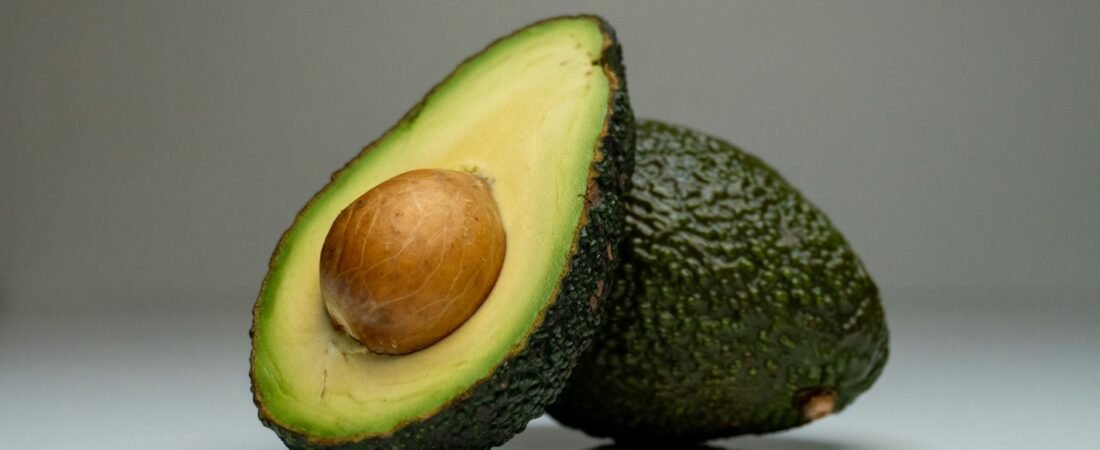
Avocados are one of the easiest grocery items to waste because the useful window is short. A firm avocado often needs about 2 to 5 days on the counter to ripen, a ripe whole avocado then gives you only a few more days in the refrigerator, and cut avocado has an even tighter quality window. If you buy without a plan, the fruit can go from hard to ideal to disappointing before the rest of dinner is figured out. (spendsmart.extension.iastate.edu)
Aside from being annoying in the kitchen, avocado browning means there is a continual small hole in your grocery budget caused by a fruit that holds its value just until you actually want to eat it. A simple solution to this is to understand how and why avocados turn brown and how you can buy avocados depending on whether they are still hard, have ripened, and whether they’ve been cut or are mashed. Once you do this you will save money and reduce the waste of avocados because you will no longer have to deal with overpriced “premium” avocados that have been partially consumed.
TL;DR
- Brown avocado is mostly an oxygen-and-enzyme problem, not instant spoilage. Acid and air control matter more than novelty tricks. (extension.umaine.edu)
- Ripen hard avocados on the counter; once ripe, refrigerate whole fruit for a short holding window. (spendsmart.extension.iastate.edu)
- For leftovers, use the AIR Method: Acid, Isolation from oxygen, Refrigeration. (extension.umaine.edu)
- If you will not use avocado soon, freeze puree, not whole or sliced fruit. (nchfp.uga.edu)
Why it goes from green to brown so fast
Avocados brown quickly because cutting them damages the fruit’s cells and exposes enzymes to oxygen. That reaction is called enzymatic browning. The key enzyme is polyphenol oxidase, and two things slow it down: lowering the pH with an acid such as lemon or lime juice, and reducing how much oxygen reaches the cut surface. Avocados also keep ripening after harvest because they are climacteric fruit influenced by ethylene, which is why the usable window can feel so narrow once they soften. (extension.umaine.edu)
The helpful distinction is this: ordinary surface browning from oxidation is usually a quality problem first, not automatically a safety problem. UC San Diego notes that if an avocado browns, you can scoop off the browned part and eat the green portion if the rest still looks normal. But not all discoloration is the same. UC Davis notes that overly cold storage can cause chilling injury, including internal browning and poor ripening. (communityhealth.ucsd.edu)
The AIR Method: the storage rule most households actually need
The vast majority of tips regarding avocado storage are extremely difficult to recall. A more practical method is the AIR method which governs that an avocado should be stored using an acid (such as lemon juice), isolated from other fruits, and refrigerated on the day it is cut to ensure that your leftover is going to look decent. Any time you do not follow all three methods (using acid, isolation and refrigeration), your chances of having a good looking avocado the next day diminish significantly.
- A = Acid. Brush or drizzle the cut surface lightly with lemon or lime juice. Low pH slows the browning reaction, and extension guidance also allows vinegar as another option for cut avocado. (extension.umaine.edu)
- I = Isolation from oxygen. Press plastic wrap directly onto the flesh or directly onto the surface of guacamole, then use the smallest airtight container that fits. Less exposed air means slower browning. (extension.umaine.edu)
- R = Refrigeration. Once ripe or cut, move it to the refrigerator promptly. FDA guidance says perishables should follow the two-hour rule, and USDA/FDA guidance puts the refrigerator at roughly 40°F or below, or 41°F or below depending on the source. (fda.gov)
| What you have | Best move | What to expect |
|---|---|---|
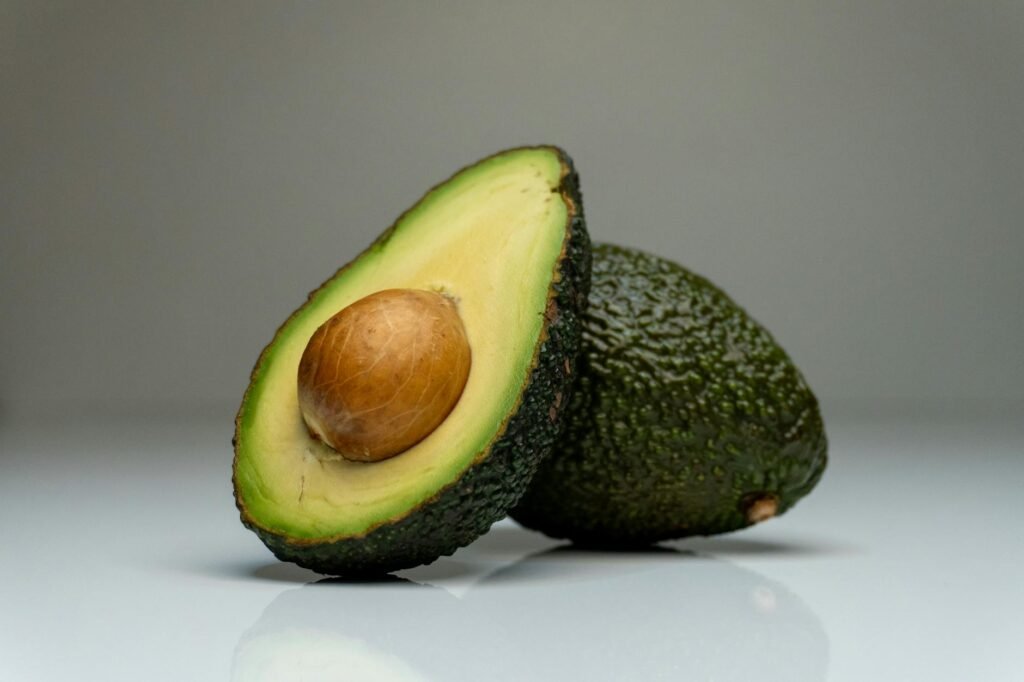
| Rock-hard whole avocado | Leave it on the counter. If you need it sooner, use a paper bag and add a banana or apple. | Usually ripens in about 2 to 5 days; nearby ethylene-producing fruit can speed that up. (spendsmart.extension.iastate.edu) |
| Ripe whole avocado | Refrigerate it whole the day it softens. | You usually get roughly 2 to 5 days of holding time. (communityhealth.ucsd.edu) |
| Half an avocado left over | Use a thin layer of citrus or vinegar, press wrap onto the surface, seal tightly, and refrigerate. | Best quality is usually the next day; many home guides say 1 to 2 days, while some stretch to 3 to 4 if sealed very well. (spendsmart.extension.iastate.edu) |
| Mashed avocado or guacamole | Press plastic wrap directly on the surface and refrigerate promptly. | Usually fine for short-term use, but quality drops quickly if air gets in or it sits out. (spendsmart.extension.iastate.edu) |
| Avocado you will not use soon | Freeze it as puree with lemon juice or ascorbic acid. | Best-quality long-term option; whole or sliced avocado is not recommended for best frozen quality. (nchfp.uga.edu) |
The money leak hiding in your produce drawer
Suppose a household buys four avocados a week at $1.79 each. That is $7.16. If one whole avocado overripens and half of another browns past the point anyone in the house wants to eat it, that is about $2.69 lost in one week, or roughly $140 over a year. That example is only a household scenario, not a national average, but it shows why avocado waste matters: the storage windows are short, so mistakes repeat. Buying mixed ripeness, chilling ripe fruit immediately, and protecting cut surfaces the same day is usually worth more than chasing a lower unit price on a bigger bag. (spendsmart.extension.iastate.edu)
A five-minute avocado save routine
- Sort avocados when you unload groceries: eat today, use in two days, and later this week. That one habit prevents a pileup of ripe fruit on the same day.
- Leave firm avocados on the counter. If you need one faster, put it in a paper bag with a banana or apple. (spendsmart.extension.iastate.edu)
- Move whole avocados to the refrigerator the day they reach the softness you want. Do not wait until they feel one meal away from collapse. (spendsmart.extension.iastate.edu)
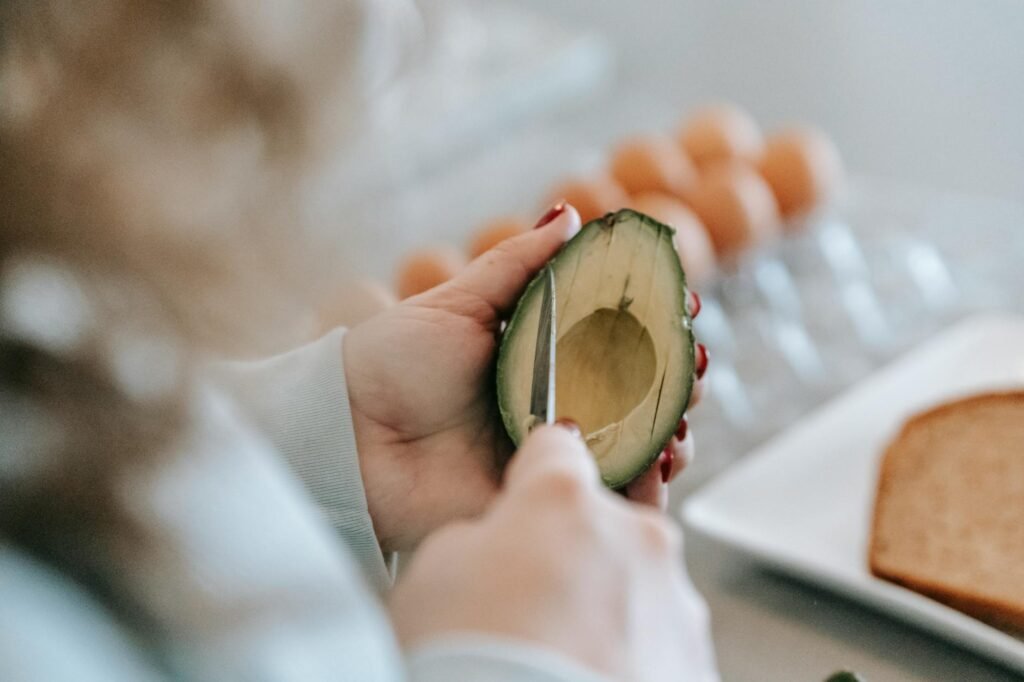
- If you cut one, rinse the skin before slicing, add a little lemon or lime juice to the cut face, press wrap directly on the flesh, seal it, and refrigerate. (fda.gov)
- If you know you will not use it within a couple of days, mash and freeze it instead of hoping tomorrow’s toast or taco plan materializes. (nchfp.uga.edu)
Mistakes that shorten the window
- Refrigerating rock-hard avocados and expecting a normal ripening curve. Home refrigerators are mainly for holding ripe fruit, not for finishing the ripening process well; prolonged low-temperature storage can interfere with ripening and cause internal browning. (postharvest.ucdavis.edu)
- Trusting the pit alone. Leaving the pit in may protect the small area it covers, but the exposed flesh still meets oxygen, so acid and a tight seal still matter. That is an inference from how enzymatic browning works and from cut-avocado storage guidance. (extension.umaine.edu)
- Using a large food container for one avocado half. Extra empty space means extra oxygen exposure. Smaller container, tighter wrap, better result. (extension.umaine.edu)
- Letting guacamole sit out through a whole party. Once it is mashed and mixed, treat it like a prepared perishable food and refrigerate leftovers within two hours. (fda.gov)
- Skipping the rinse because you do not eat the peel. FDA advises washing produce before cutting, and avocado skin can transfer contamination to the edible part through the knife. (fda.gov)
When your first plan is not enough
Sometimes storage is not the real problem. If an avocado is already bruised inside or opens with gray flesh from chill damage, no amount of lemon juice will restore good texture. This is also where overbuying backfires. A multi-count bag can look cheaper per avocado, but if several ripen at once, the savings disappear in the trash. When the ideal plan fails, the backup move is to change the form quickly instead of trying to preserve perfect fresh-cut texture for too long. (postharvest.ucdavis.edu)
- Use the ripe avocado tonight in salads, sandwiches, tacos, grain bowls, or a quick dressing instead of saving it for a very specific later recipe.
- Mash extra-ripe avocado with citrus and freeze it as puree. Research-tested home preservation guidance favors puree over freezing whole or sliced fruit. (nchfp.uga.edu)
- Stagger your shopping. Buying two firm avocados and one ripe avocado usually works better than buying three at the same stage.
- If your produce spoils unusually fast, check your refrigerator temperature with a thermometer. USDA and FDA guidance says refrigerators should stay around 40°F or below, or 41°F or below depending on the source. (fns.usda.gov)
How to pressure-test this advice in your own kitchen
You do not need to accept avocado advice on faith. Because cut-avocado quality drops quickly, a 48-hour kitchen test will tell you more than a dozen tips saved to your phone. Extension guidance already suggests a short 1- to 4-day quality window for cut avocado, so a next-day and second-day check is realistic. (spendsmart.extension.iastate.edu)
- Buy two ripe avocados on the same day and cut them at the same time.
- Store one half with no treatment, one half with citrus plus direct-contact wrap, and one portion mashed with wrap pressed directly onto the surface.
- Check color, texture, and taste after 24 hours and again after 48 hours.
- Keep the method that gives you acceptable taste, not just the prettiest color. A slightly browned avocado you will still eat is more valuable than a perfect method you will never bother to use.
Wash avocado skin before cutting, keep cut or mashed avocado refrigerated, and follow the two-hour rule if it has been sitting out. Browning is mostly a quality issue; time and temperature are the safety issues. (fda.gov)
Bottom line
The fastest way to waste less avocado is to stop using one storage trick for every stage. Ripen hard fruit on the counter. Refrigerate ripe whole fruit. For leftovers, use the AIR Method: Acid, Isolation from oxygen, Refrigeration. And if you cannot use avocado soon, freeze puree instead of gambling on tomorrow. Those moves line up with extension and food-safety guidance, and they often do more for your grocery budget than any viral hack. (spendsmart.extension.iastate.edu)
FAQ
Is a brown avocado unsafe to eat?
Usually not from oxidation alone if it still smells and feels normal. UC San Diego notes you can scoop off browned parts and eat the green parts. But gray flesh from chilling injury or avocado that sat out too long is a different issue. (communityhealth.ucsd.edu)
Does leaving the pit in really help?
A little, but only where the pit physically covers the flesh. You still need acid and a tight barrier against air for the exposed surface. That conclusion is an inference from how oxygen drives enzymatic browning and from cut-avocado guidance. (extension.umaine.edu)
Should you refrigerate avocados before they are ripe?
Usually no. Home guidance is to ripen avocados at room temperature first; prolonged low-temperature storage can interfere with normal ripening and contribute to chilling injury. (spendsmart.extension.iastate.edu)
What is the best way to store half an avocado overnight?
Use a light coating of lemon or lime juice, press plastic wrap directly onto the cut surface, put it in a small airtight container, and refrigerate it. Best quality is usually the next day. (spendsmart.extension.iastate.edu)
How long does cut avocado really last?
Expect the best quality within 1 to 2 days. Some extension guidance stretches that to 3 to 4 days if the avocado is well sealed and treated with citrus, but texture and color usually decline before the outer edge of that range. (spendsmart.extension.iastate.edu)
Can you freeze avocado slices?
You can freeze them, but research-tested guidance says quality is better if you freeze avocado as puree with lemon juice or ascorbic acid. Whole or sliced avocado is not recommended for best frozen quality. (nchfp.uga.edu)
Why does a paper bag with a banana make avocados ripen faster?
Bananas and apples release ethylene, and avocados are climacteric fruit that continue ripening after harvest in response to ethylene. (communityhealth.ucsd.edu)
References
- Iowa State University Extension – Avocado – https://spendsmart.extension.iastate.edu/produce-item/avocado/
- Michigan State University Extension – How to safely store and preserve avocados – https://www.canr.msu.edu/news/how-to-safely-store-and-preserve-avocados
- UC San Diego Center for Community Health – Avocado – https://communityhealth.ucsd.edu/work/eat-ca/avocado
- UC Davis Postharvest Research and Extension Center – Avocado – https://postharvest.ucdavis.edu/produce-facts-sheets/avocado
- University of Maryland Extension – Ethylene and the Regulation of Fruit Ripening – https://extension.umd.edu/resource/ethylene-and-regulation-fruit-ripening
- University of Maine Cooperative Extension – Fruit Science – https://extension.umaine.edu/4h/stem-toolkits/fruit-science/
- FDA – Selecting and Serving Produce Safely – https://www.fda.gov/food/buy-store-serve-safe-food/selecting-and-serving-produce-safely
- FDA – Are You Storing Food Safely? – https://www.fda.gov/consumers/consumer-updates/are-you-storing-food-safely
- FDA – FY 2014-2016 Microbiological Sampling Assignment Summary Report: Whole Fresh Avocados – https://www.fda.gov/media/119969/download
- USDA Food and Nutrition Service – Storing Fresh Produce – https://www.fns.usda.gov/fs/produce-safety/storage
- National Center for Home Food Preservation – Freezing Avocados – https://nchfp.uga.edu/how/freeze/fruits/freezing-avocados/
- Iowa State University Extension – Guacamole – https://spendsmart.extension.iastate.edu/recipe/guacamole/