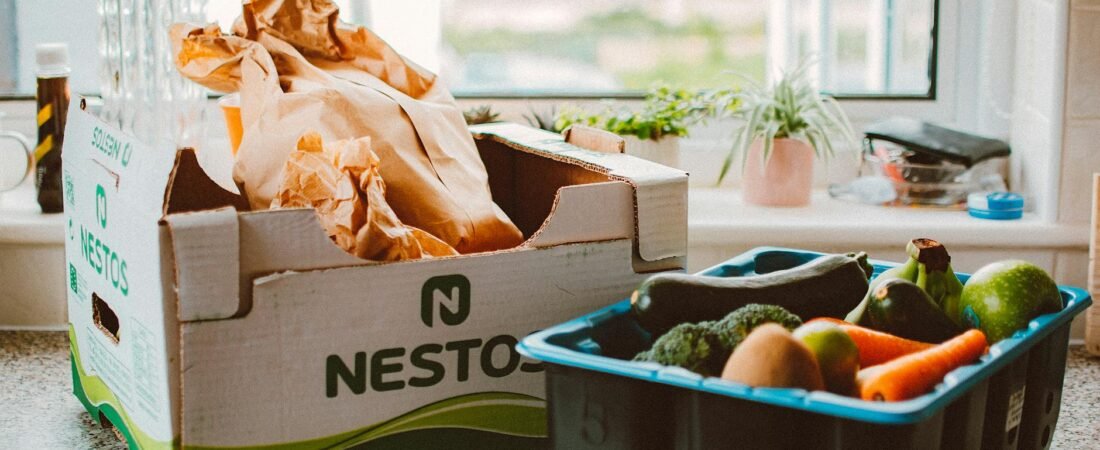
The usual avocado problem is not that it stays hard forever. It’s that it goes from hard to disappointing in a very short window, and every failed attempt feels like money in the trash. That matters more than it sounds. Avocados ripen after harvest as ethylene production rises, which is why timing and storage matter so much at home. It also matters because food waste adds up: USDA says more than one-third of available food in the U.S. goes uneaten, and household waste is part of that picture. The goal is not to make an avocado soft as fast as possible. The goal is to make it creamy, even, and usable on your schedule. (postharvest.ucdavis.edu)
TL;DR
- For home use, the best fast-ripening method is still the simple one: a paper bag at room temperature with one apple, kiwi, or banana. (californiaavocado.com)
- Heat is not your friend here. The California Avocado Commission says not to use the microwave or oven, and its ripening manual says temperatures above 77°F can stop ripening. (californiaavocado.com)
- Do not refrigerate hard avocados. Penn State, Ohio SNAP-Ed, and the California Avocado Commission all point readers toward ripening on the counter first, then chilling ripe fruit to slow it down. (extension.psu.edu)
- Check ripeness with your whole palm, not your fingertips, and do not rely on skin color alone. (californiaavocado.com)
- Wash the fruit before cutting it, and refrigerate cut avocado within 2 hours. (foodsafety.gov)
The texture rule most people miss
If you want better texture, think in terms of controlled ripening, not aggressive softening. Avocados respond to ethylene and moderate room temperature. The California Avocado Commission recommends a paper bag at roughly 65°F to 75°F and says adding an apple or kiwi speeds the process; its newer how-to hub also includes banana as an option. By contrast, the commission specifically says the microwave and oven do not truly ripen the fruit, and its ripening manual warns that pulp temperatures above 77°F can stop ripening. That’s why hot-window, oven, and “just nuke it” tricks tend to create a softer outside without the buttery interior you actually wanted. (californiaavocado.com)
Use the PACE method
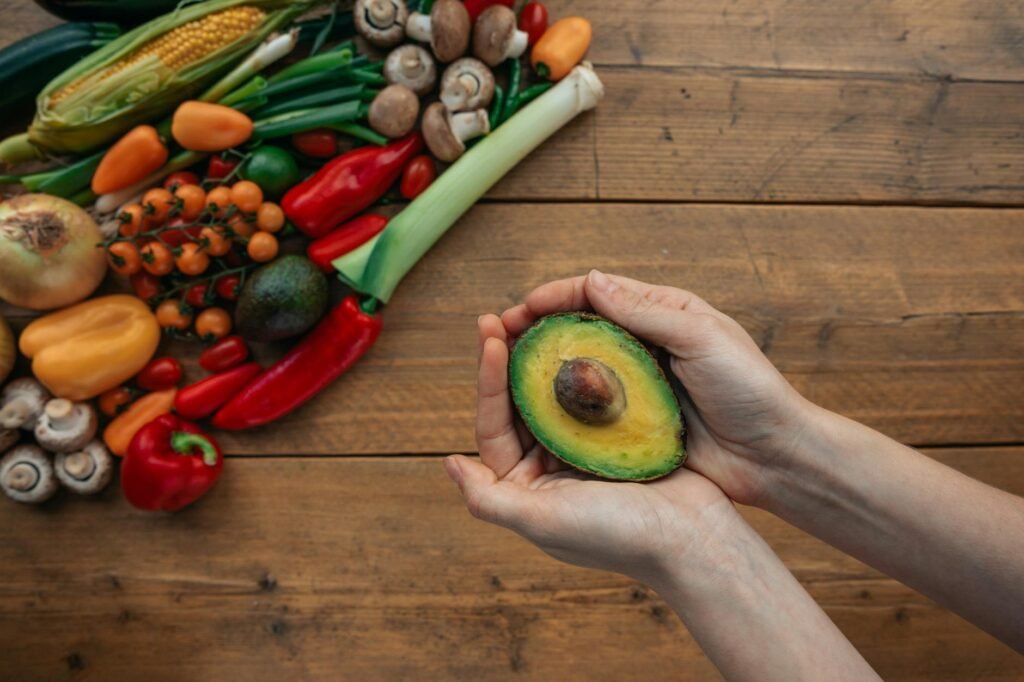
For this article, use the PACE method: Plan, Assess, Contain, Exit. Plan means deciding when you’ll actually eat the avocado. Assess means judging firmness in the palm of your hand, not by color alone. Contain means using a paper bag with one companion fruit to concentrate the ripening effect at room temperature. Exit means moving the avocado to the refrigerator as soon as it yields evenly, because chilling ripe fruit helps you hold the texture instead of racing past it. It’s a simple system, but it solves the real budget problem: buying avocado time without buying avocado waste. (californiaavocado.com)
| Step | What you do | Why it protects texture | Typical home timing |
|---|---|---|---|
| Plan | Match the avocado to the day you need it. | You avoid forcing a rock-hard fruit into a one-night deadline. | Today, tomorrow, 2 to 3 days, or later. |
| Assess | Use a whole-palm squeeze and look for even firmness. | This reduces bruising and helps you catch uneven soft spots early. | 10 seconds at purchase and once daily after. |
| Contain | Bag with one apple, kiwi, or banana at room temperature. | You speed ripening with ethylene instead of high heat. | Usually 1 to 3 days depending on starting firmness. |
| Exit | Refrigerate once the fruit yields evenly. | You slow further softening before it turns mushy. | A few extra days for ripe fruit, often up to about a week depending on stage. |
Match the avocado to your deadline
| When you need it | What to buy or use | Best move at home | Texture risk |
|---|---|---|---|
| Today | A fruit that already yields gently and evenly. | Use it now, or refrigerate only if dinner moved to tomorrow. | Low if it has no soft pockets. |
| Tomorrow | A nearly ripe or firm-ripe avocado. | Leave it on the counter; skip the bag unless it is still quite firm. | Moderate if you forget to check it the next day. |
| In 2 to 3 days | A hard or just-beginning-to-soften avocado. | Paper bag plus one apple, kiwi, or banana. | Low to moderate if checked daily. |
| In 4 to 5 days | A hard avocado. | Counter-ripen without extra fruit, or bag it later. | Low because you are not rushing it. |
| You bought too many | A mixed set at different stages. | Ripen on the counter, then move ripe ones to the fridge. | Low if you stagger them instead of treating all of them the same. |
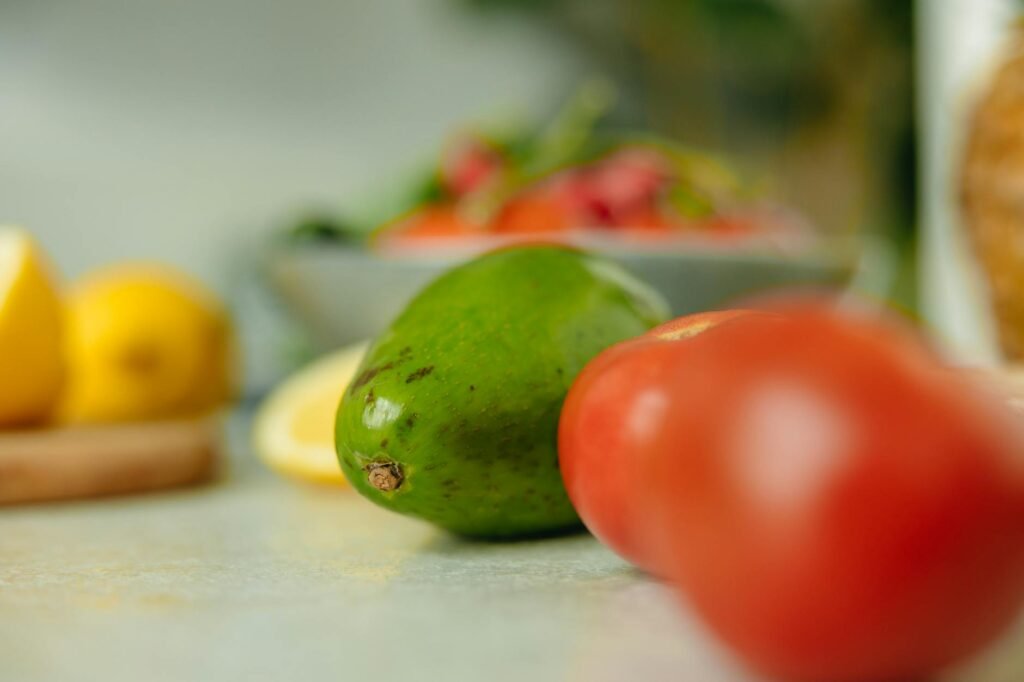
A quick household example shows why this matters. Suppose you buy four avocados at $1.79 each for tacos, lunches, and one batch of guacamole. That’s $7.16 before you add lime, onion, tomato, or chips. If two of those avocados get too soft because you rushed them with heat or forgot them in a bag for an extra day, you’ve wasted $3.58 in fruit alone. If you instead buy two nearly ripe avocados for the first 48 hours and two hard ones for later in the week, then refrigerate the ripe ones as soon as they’re ready, the same grocery spend can cover several meals instead of one frustrating dinner.
The fastest home method that still gives you a creamy result
- Start with fruit that is hard or only starting to soften. Avoid avocados with dark blemishes, overly soft spots, or pockets that feel softer than the rest of the fruit. (californiaavocado.com)
- Put the avocado in a brown paper bag with one apple, kiwi, or banana. Keep the bag on the counter at normal room temperature, not in the fridge. (californiaavocado.com)
- Do not add heat. Skip the microwave, the oven, the sunny windowsill, and any spot that gets unusually warm. Commercial avocado guidance warns that temperatures above 77°F can stop ripening. (californiaavocado.com)
- Check the avocado every 24 hours. Hold it in your palm and press gently with your whole hand so you don’t bruise the flesh. (californiaavocado.com)
- Once it yields evenly, take it out of the bag and move it to the refrigerator if you’re not eating it that day. Ripe fruit can stay on the counter for a couple of days, but refrigeration slows the slide into mush. (californiaavocado.com)
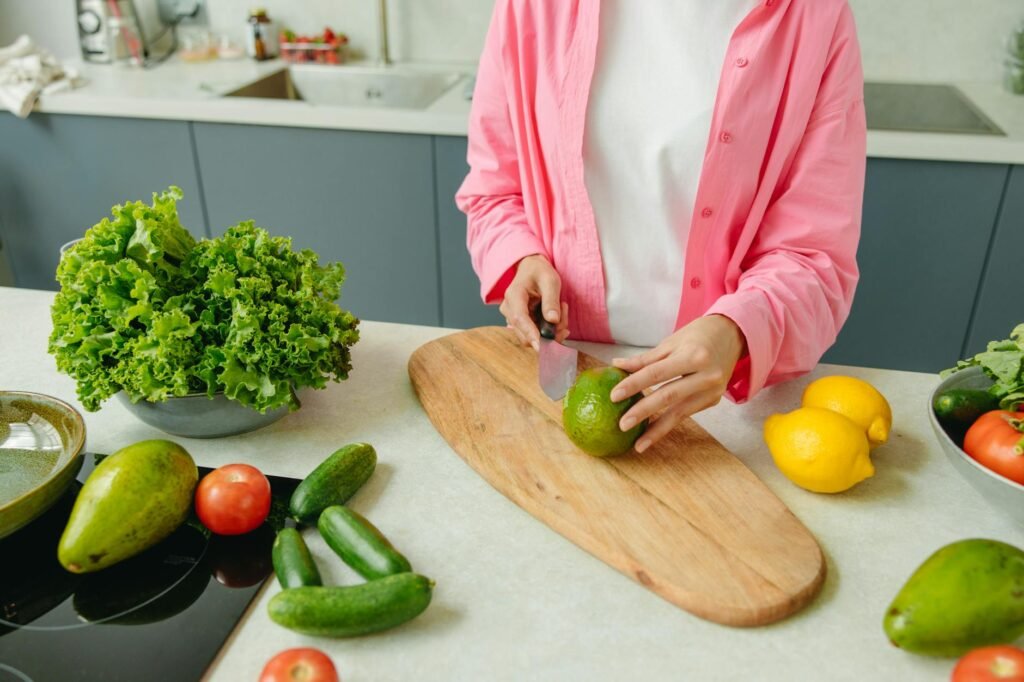
- Before cutting, wash the avocado under running water. After cutting, refrigerate it within 2 hours, because germs on the peel can transfer when you slice through it and cut produce should be chilled promptly. (foodsafety.gov)
If you bought a bag of avocados, don’t try to rush all of them at once. Bag only the ones you need soon. Leave the rest on the counter away from other ripening fruit, and move firm-ripe avocados to the refrigerator to stagger your ready-to-eat window. (californiaavocado.com)
Common mistakes that turn faster into worse
- Using the oven or microwave. These methods may soften the flesh, but the California Avocado Commission says they do not truly ripen the fruit and can leave the flavor and texture tasting and feeling unripe. (californiaavocado.com)
- Refrigerating hard avocados. Ohio SNAP-Ed says unripe avocados should not be refrigerated because they will not ripen properly, and the California Avocado Commission gives the same practical advice. (fcs.osu.edu)
- Trusting color alone. Hass avocados often darken as they ripen, but the California Avocado Commission notes that some varieties stay green even when ripe. (californiaavocado.com)
- Testing with fingertips. The California Avocado Commission specifically warns that finger pressure can create bruised soft pockets, which is why palm pressure is the better check. (californiaavocado.com)
- Overdoing the bag. The California Avocado Commission notes that more ethylene-producing fruit speeds the process. That sounds helpful until you forget the bag and miss the texture window. One companion fruit is usually enough for home use. (californiaavocado.com)
- Leaving cut avocado out after prep. FoodSafety.gov says cut fruit should be refrigerated within 2 hours, or within 1 hour if it has been in temperatures above 90°F. (foodsafety.gov)
When the first plan still fails
Sometimes the method is fine and the fruit is the problem. UC Davis notes that avocados exposed to 37°F to 41°F for too long can develop internal browning, fail to ripen properly, and become more vulnerable to decay. The California Avocado Commission also points out that bruises, black spots, stringiness, sour smell, and moldy odor are quality warnings. In plain terms, some avocados were damaged before you brought them home. If an avocado stays rubbery near the seed, turns gray-brown inside, smells sour, or has isolated mushy pockets, there is no home trick that will turn it into great toast material. Return it if the store will take it back. Otherwise, cut your loss early instead of throwing good time after bad fruit. (postharvest.ucdavis.edu)
You still have backup options when the fruit is close but not perfect. A slightly firm avocado can often work for slices on a sandwich or diced into a salad the next day. A ripe avocado you can’t use immediately should go to the refrigerator. The California Avocado Commission says ripe fruit can hold there for up to about a week, and its freezing guidance says mashed avocado is a better freezer choice than loose halves if you want a more usable texture later for smoothies, spreads, sauces, or guacamole. If you accidentally cut into an avocado too early, you can press the halves back together, wrap tightly, and refrigerate it, but don’t expect magic: UC Davis says cut climacteric fruit may soften somewhat, yet ripening slows once it is cut and held cold. (californiaavocado.com)
How to verify this advice in your own kitchen
- Buy two avocados from the same display on the same day, ideally similar in size and firmness.
- Leave one avocado on the counter by itself. Put the second in a paper bag with one apple, kiwi, or banana.
- Check both every 24 hours at the same time using the same whole-palm pressure test.
- Write down three things only: day purchased, day each fruit first yielded evenly, and whether the interior was creamy, patchy, or mushy when cut.
- Repeat once in a warmer month and once in a cooler month. Your kitchen temperature changes the timeline, so this gives you your own household baseline.
- By completing two rounds of testing, it will be determined how often your home needs either a 24-hour or 48-hour boost and if it requires no boost at all. This is a lot more effective than simply copying a generic claim found on the internet.
Bottom line
If you want an avocado faster without wrecking the texture, the winning formula is simple: moderate room temperature, a paper bag, one ethylene-producing fruit, and daily checks. Then refrigerate the avocado as soon as it is evenly ripe. That approach is less dramatic than an oven hack, but it is the method most likely to give you what you actually paid for: creamy flesh, fewer ruined avocados, and less grocery waste. (californiaavocado.com)
Frequently asked questions
Does a paper bag work if I do not add another fruit?
Yes, it can still help because avocados produce ethylene after harvest. Adding one apple, kiwi, or banana usually speeds the process more than the bag alone. (postharvest.ucdavis.edu)
Is an apple, banana, or kiwi best?
For home use, any of the three can work. The California Avocado Commission has long recommended apple or kiwi, and its newer guidance also includes banana. The bigger point is not to overload the bag and then ignore it. (californiaavocado.com)
Can I ripen an avocado in the oven or microwave in a pinch?
Not if texture is the priority. The California Avocado Commission says those methods do not truly ripen the avocado; they may soften or cook it, but the flavor and interior texture can still seem unripe. (californiaavocado.com)
When should I move a ripe avocado to the fridge?
Move it once the fruit yields evenly and you are not eating it right away. The California Avocado Commission says ripe fruit can sit at room temperature for about 2 to 3 days, and refrigerated ripe fruit can often hold for several more days, sometimes up to about a week depending on stage and condition. (californiaavocado.com)
Can a cut unripe avocado keep ripening?
You may get some softening, but results are less reliable than with whole fruit. UC Davis says cut climacteric fruit held cold ripens more slowly, and the California Avocado Commission’s practical advice is to put the halves back together, wrap tightly, and refrigerate them if you need to save them. (postharvest.ucdavis.edu)
References
- UC Davis Postharvest Research and Extension Center: Avocado facts sheet – https://postharvest.ucdavis.edu/produce-facts-sheets/avocado
- UC Davis Postharvest Research and Extension Center: Does climacteric produce stop ripening after it is cut? – https://postharvest.ucdavis.edu/ask-produce-docs/does-climacteric-produce-stop-ripening-after-it-cut
- California Avocado Commission: How to Choose and Use an Avocado – https://californiaavocado.com/how-to/how-to-choose-and-use-an-avocado/
- California Avocado Commission: How to Ripen an Avocado – https://californiaavocado.com/how-to/how-to-ripen-an-avocado/
- California Avocado Commission: The Best Way to Store California Avocados – https://californiaavocado.com/how-to/storing-avocados/
- California Avocado Commission: How to Freeze California Avocados – https://californiaavocado.com/how-to/how-to-freeze-california-avocados/
- Penn State Extension: Farmers Market Storage Postcard – https://extension.psu.edu/farmers-market-storage-postcard
- Ohio SNAP-Ed and EFNEP: Avocados newsletter PDF – https://fcs.osu.edu/sites/fcs/files/imce/PDFs/SNAP_Ed_newsletter_avocados.pdf
- USDA: Food Loss and Waste – https://www.usda.gov/about-food/food-safety/food-loss-and-waste
- FoodSafety.gov: Fruit and Vegetable Safety – https://www.foodsafety.gov/blog/fruit-and-vegetable-safety?linkId=100000136818526
- FoodSafety.gov: 4 Steps to Food Safety – https://www.foodsafety.gov/keep/basics/clean/index.html