The annoying thing about buying avocados is that the fruit itself usually is not the real problem. Timing is. An avocado that is wrong for tonight’s tacos may be exactly right for Sunday’s sandwiches. Because avocados are mature before picking and soften after harvest, the smartest grocery-store move is to shop for your use date, not some abstract idea of ripeness. (ucanr.edu)
That shift matters for your budget. A cheaper bag is not a deal if half of it overripens before you can use it. The goal is not to find the softest avocado in the bin. It is to buy the right mix of firmness, avoid damaged fruit, and store it correctly once you get home. Guidance from extension, food-safety, and consumer produce sources lines up on the basics: judge with gentle palm pressure, do not rely on color alone, ripen at room temperature, and refrigerate once the fruit is ripe. (ucanr.edu)
TL;DR
- Decide when you will eat the avocado before you touch the display. Avocados soften after harvest, so the right pick depends on your meal date. (ucanr.edu)
- Use your palm, not your fingertips. A ripe avocado should yield slightly to gentle pressure, and fingertip poking can bruise fruit. (ucanr.edu)
- Ignore color as a stand-alone test. Hass avocados darken as they ripen, but some varieties stay green. (californiaavocado.com)
- Ripen hard avocados on the counter. A paper bag can speed things up, and the refrigerator is best once the fruit is ripe or nearly ripe. (californiaavocado.com)
- Wash avocados before cutting and refrigerate cut fruit promptly. FDA guidance says bacteria on the peel can move into the flesh through the knife. (fda.gov)
Use the PAIR method
Try using the PAIR method (Palm pressure, Avoid damage, Intended use, Ripening plan) to reduce randomness in your avocado purchases. It only takes about 20 seconds per avocado to use this method and is much better than squeezing all the avocados until one of them feels good.
- Palm pressure: Hold the avocado in your palm and press gently with all your fingers. A ready avocado should yield slightly, while thumb poking and fingertip squeezing can bruise it. (ucanr.edu)
- Avoid damage: Skip fruit with deep dents, very soft pockets, obvious splits, leaking areas, or skin blemishes paired with mush underneath. A minor scuff on thick skin matters less than one isolated soft patch. (californiaavocado.com)
- Intended use: Buy firmer fruit for slices later in the week and softer fruit for guacamole, mash, or toast tonight. Slightly firmer fruit also holds cleaner slices. (californiaavocado.com)
- Ripening plan: Keep hard fruit on the counter, use a paper bag if you need to speed ripening, and move fruit to the refrigerator once it is ripe so you buy yourself a little more time. (californiaavocado.com)
Start with your meal calendar, not the produce display
This is the part most shoppers skip. Before you touch the pile, decide whether the avocado is for tonight, tomorrow, or later in the week. University of California guidance notes that avocados soften off the tree over several days, and consumer storage guidance gives ripe fruit only a short refrigerator window. In practice, “perfect” is mostly a calendar decision. (ucanr.edu)
| If you need it… | Feel in your palm | Best use | Buy or skip notes |
|---|---|---|---|
| Tonight | Noticeable gentle give, but not mushy | Guacamole, mash, toast, tacos | Skip fruit with sunken spots, leaks, or uneven soft areas |
| Tomorrow | Firm-ripe with slight give | Slicing for salads, sandwiches, grain bowls | The safest one-avocado choice for most shoppers |
| In 2 to 3 days | Firm, just starting to soften | General use | Leave on the counter and check daily |
| In 4 to 5 days | Hard with little or no give | Later-week meals | Use a paper bag only if your plans move up |
| Not until next week | Usually buy later instead of stretching too far | Later meals | Avocados can move from hard to ripe quickly, so delayed shopping is often the lower-waste choice |
The 20-second avocado check in the aisle
- Pick your meal date first. If you are buying for tonight, tomorrow, and the weekend, plan to leave with different firmness levels instead of three matching avocados.
- Lift two or three fruits of similar size rather than grabbing the darkest one. Size does not tell you ripeness or quality by itself, and color is incomplete information. (californiaavocado.com)
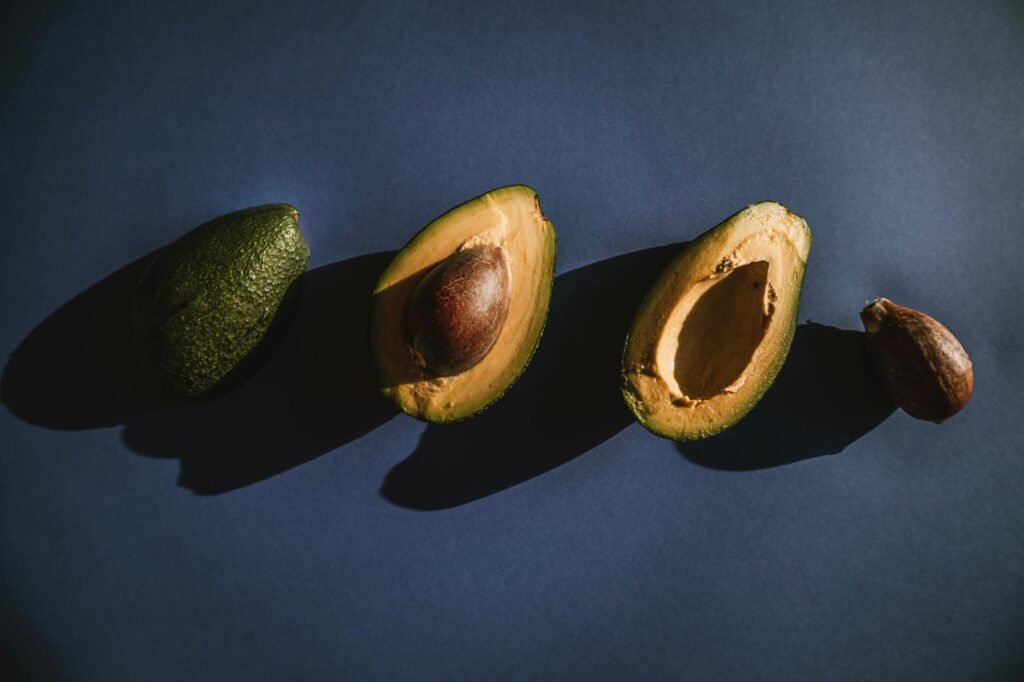
- Use full-hand pressure in your palm. If the fruit gives slightly and evenly, it is close. If it feels hard as a rock, it needs time. If one side collapses faster than the other, put it back. (ucanr.edu)
- Rotate the avocado and inspect the whole surface. Soft pockets often mean bruising from handling, while oversoft fruit and dark blemishes are worth avoiding. (californiaavocado.com)
- Match the firmness to the job. Slightly firmer fruit is better for clean slices; softer fruit is fine for mash and guacamole. (californiaavocado.com)
- Build a staggered set when buying more than one: one ripe, one firm-ripe, and one hard. That simple mix usually beats buying a same-stage bag unless you are cooking for a crowd.
A money example: unit price is not the whole price
You have a store where you sell loose avocados for $1.69 each, and you have a five count bag that costs $6.49. The bag appears to be cheaper, at about $1.30 per avocado. However, your family will only use three avocados during the next week, one for your burrito bowls tonight, one for your sandwiches three days from now, and one for your game day guacamole on Saturday. If you buy three loose avocados from different ripening stages, you’ll pay $5.07. If you purchase a bag and two go bad before you get to use them, then your cost will be approximately $2.16 For each avocado that you’ll actually be using.
That’s the personal-finance lesson here. On items that have a short peak window, usable cost trumps sticker price. Bagged avocados can be a real value when you’re feeding a crowd, you’re making a big batch of guacamole, or you know you can start the ripening clock and slide them into the fridge if you can’t eat them quickly. They’re poor value when you’re buying for one or two meals from bag and hoping for the best.
Budget rule: Do not buy more ripe avocados than you already have meals planned for in the next three days.
What good and bad avocados actually feel like
- Hard: almost no give. Best if you are several days out and willing to monitor ripening at home. (ucanr.edu)
- Firm-ripe: slight give, still structured. Best for slicing and the safest choice if you want flexibility. (californiaavocado.com)
- Ripe: yields gently and evenly to your palm. Best for most same-day uses. (californiaavocado.com)
- Too far gone: mushy overall, caved-in spots, leaking stem end, or one side much softer than the rest. Soft pockets are a common sign to skip. (californiaavocado.com)
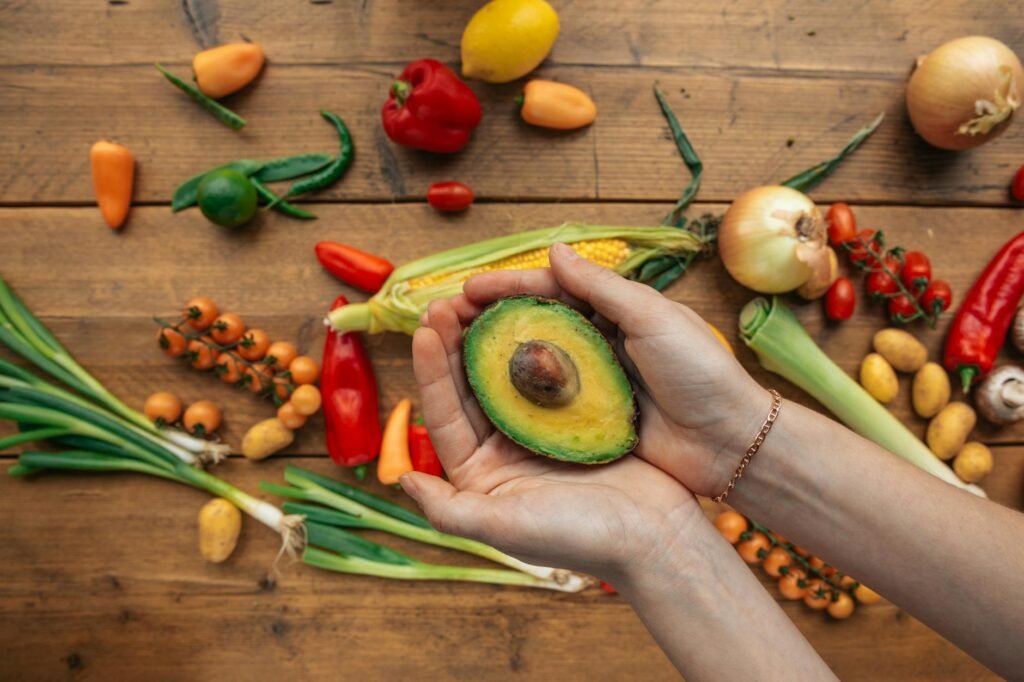
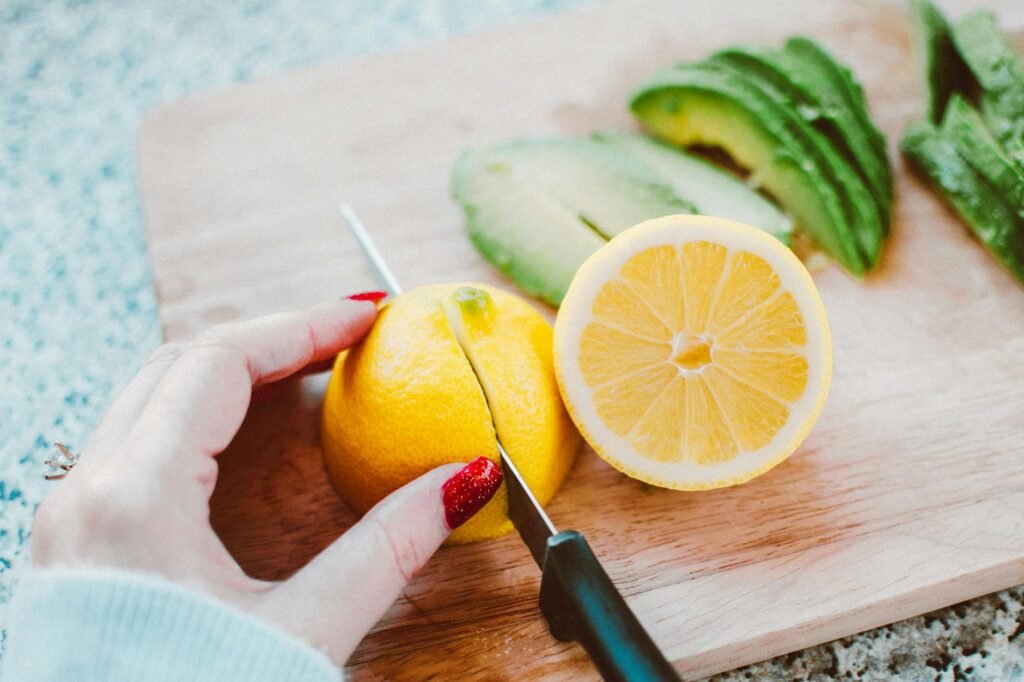
Wash avocados under running water before cutting, even though you do not eat the peel. FDA and FoodSafety.gov guidance says bacteria on the outside can transfer into the flesh through the knife, and FDA sampling found contamination on some avocado skins. (fda.gov)
Common mistakes that waste money
- Buying by color alone. Hass avocados darken as they ripen, but some varieties stay green, so color can point you in the wrong direction. (californiaavocado.com)
- Pinching with fingertips or your thumb. That can bruise the fruit and also gives a less reliable read than gentle palm pressure. (ucanr.edu)
- Refrigerating hard avocados. Consumer and extension guidance says cold slows proper ripening, and fruit may not soften well if chilled too early. (ucanr.edu)
- Assuming smaller avocados are worse. Size does not indicate ripeness or quality on its own. (californiaavocado.com)
- Buying all your avocados at the same stage when your meals are spread across the week. Matching the fruit to the meal date usually lowers waste more than chasing the lowest unit price.
- Cutting without washing the skin or leaving cut fruit out too long. FDA says produce that needs refrigeration should not sit at room temperature for more than two hours, and the refrigerator should stay at or below 40 degrees F. (fda.gov)
When the store only has bad options
Even careful shoppers sometimes lose. Some avocado problems are invisible from the outside. University of California sources note that maturity is hard to judge externally and that low-oil or immature fruit can shrivel or stay rubbery instead of softening normally. Handling damage can also create internal brown spots you may not see until you cut the fruit. Good technique lowers the odds, but it does not eliminate surprises. (avocado.ucr.edu)
- If everything is rock-hard and dinner is tonight, skip the avocado rather than forcing a bad purchase. Build the meal around salsa, yogurt sauce, hummus, beans, or another ingredient already on your list.
- If everything is already ripe, buy only what you can use in the next two to three days and refrigerate it as soon as you get home. (californiaavocado.com)
- If only bagged avocados are available, feel through the bag for mixed firmness. If all of them feel equally soft and your meal plan is spread out, pass.
- If the meal needs slices, lean firm-ripe. If the meal only needs mash, slightly softer fruit is fine. (californiaavocado.com)
How to pressure-test your own avocado picks
When you are buying avocados frequently, do three trips to audit your purchases instead of using just your memory for that item. This will work well if you have two grocery stores to rotate through. After one month, you will have far more knowledge of the average time frame for produce rotation at your specific stores than you could get with a dozen general tips from the internet.
- On each trip, note the store, purchase date, how the avocado felt in your palm, and the meal you intended it for.
- At home, record when it became usable. Check daily on the counter because consumer guidance puts ripening in the two-to-five-day range for many avocados, and ripe storage time is short. (californiaavocado.com)
- Mark the result as sliceable, mashable, bruised, rubbery, or overripe.
- After three trips, adjust your shopping one stage harder or softer based on what actually happened. If hard fruit takes too long, buy earlier or use a paper bag with another ripe fruit. If firm-ripe fruit turns too fast, refrigerate once it gets close. (californiaavocado.com)
Bottom line
The no-guess method is simple: match firmness to meal date, use your palm instead of your fingertips, ignore color as a stand-alone test, and refrigerate only after the avocado is ripe. Do that, and you will likely waste fewer avocados, make better use of bag deals when they truly fit your plan, and stop treating the produce aisle like a lottery. (ucanr.edu)
FAQ
How can I tell if an avocado is ready for tonight?
Look for gentle, even give when you press it in the palm of your hand. It should not feel hard, but it also should not collapse or have one mushy side. Ripe fruit should yield slightly to gentle pressure. (ucanr.edu)
Should I refrigerate avocados before they are ripe?
Usually not. Extension and consumer guidance says avocados ripen best at room temperature, and chilling hard fruit too early can slow or interfere with proper softening. The refrigerator is most useful once the avocado is ripe or very close. (ucanr.edu)
Can I ripen avocados faster in a paper bag?
Yes. Consumer guidance says a paper bag at room temperature can speed ripening, and adding fruit such as an apple, banana, or kiwi can accelerate the process because of ethylene. (californiaavocado.com)
Why did my avocado look fine outside but turn brown or rubbery inside?
Some problems are not visible from the skin. University of California sources say maturity is hard to judge from the outside and that immature fruit may shrivel or stay rubbery instead of softening normally. Internal brown spots can also come from handling damage. (avocado.ucr.edu)
Do I really need to wash an avocado if I do not eat the peel?
Yes. FDA and FoodSafety.gov guidance says bacteria on the outside can be carried into the edible flesh by the knife when you cut through the skin. Washing under running water before cutting is the safer routine. (fda.gov)
Are smaller avocados worse quality or worse value?
Not necessarily. California Avocado Commission guidance says size does not indicate ripeness or quality by itself, and smaller fruit can reduce waste when you only need a single serving. (californiaavocado.com)
References
- California Avocado Commission: How to Choose a Ripe Avocado – https://californiaavocado.com/how-to/how-to-choose-and-use-an-avocado/
- California Avocado Commission: How to Ripen an Avocado – https://californiaavocado.com/how-to/how-to-ripen-an-avocado/
- California Avocado Commission: How to Store Avocados – https://californiaavocado.com/how-to/storing-avocados/
- UC ANR Cooperative Extension Ventura County: When to pick avocados – https://ucanr.edu/county/cooperative-extension-ventura-county/when-pick-avocados
- FoodSafety.gov: FoodKeeper App – https://www.foodsafety.gov/keep-food-safe/foodkeeper-app?os=app
- FDA: Selecting and Serving Produce Safely – https://www.fda.gov/food/buy-store-serve-safe-food/selecting-and-serving-produce-safely
- FDA: Microbiological Surveillance Sampling of Whole Fresh Avocados – https://www.fda.gov/food/sampling-protect-food-supply/microbiological-surveillance-sampling-fy14-16-whole-fresh-avocados
- FDA: Are You Storing Food Safely? – https://www.fda.gov/consumers/consumer-updates/are-you-storing-food-safely
- Iowa State University Extension: Avocado – https://spendsmart.extension.iastate.edu/produce-item/avocado/
- University of California Riverside: Avocado FAQs – https://avocado.ucr.edu/avocado-faqs