TL;DR
- The best-quality way to freeze avocados is as unsweetened puree or mash, not whole fruit or neat slices.
- Use ripe avocados, add lemon juice or ascorbic acid, remove as much air as possible, and freeze in one-use portions.
- For smoothies, sauces, and meal prep, flat freezer bags or small containers work better than one big tub.
- Frozen avocados are best for blended or mashed uses after thawing. They usually are not the right choice for pretty slices on toast or salads.
- A simple freezing routine can save several dollars from a bag of avocados that would otherwise overripen at the same time.
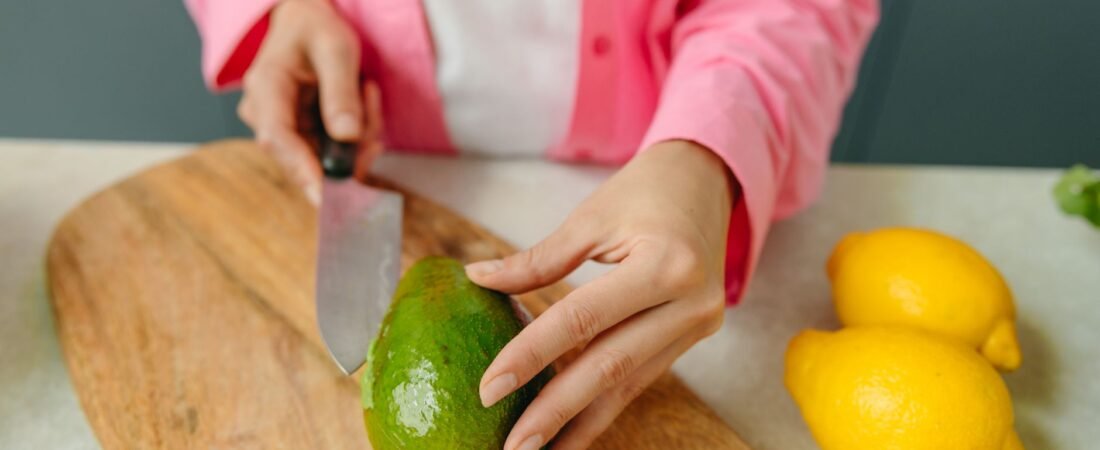
Avocados are an example of a grocery item that has the potential for overpricing; this happens once at the store, and then again when two avocados go from the perfect ripeness to overripe before you’ve had the chance to use them. However, if you are going to freeze your avocados, you must do it in an unaltered form so that you will be able to properly utilize your frozen items once they thaw out.
The goal is not to preserve sliceable, restaurant-pretty texture. The goal is to save usable avocado for smoothies, creamy sauces, sandwich spreads, and fast meal prep. Extension guidance is clear that avocados hold their best frozen quality as puree rather than as whole fruit or slices, because freezing softens texture and can leave thawed produce looser and wetter than it started. (nchfp.uga.edu)
The short answer: freeze mashed avocado, not hopes and dreams
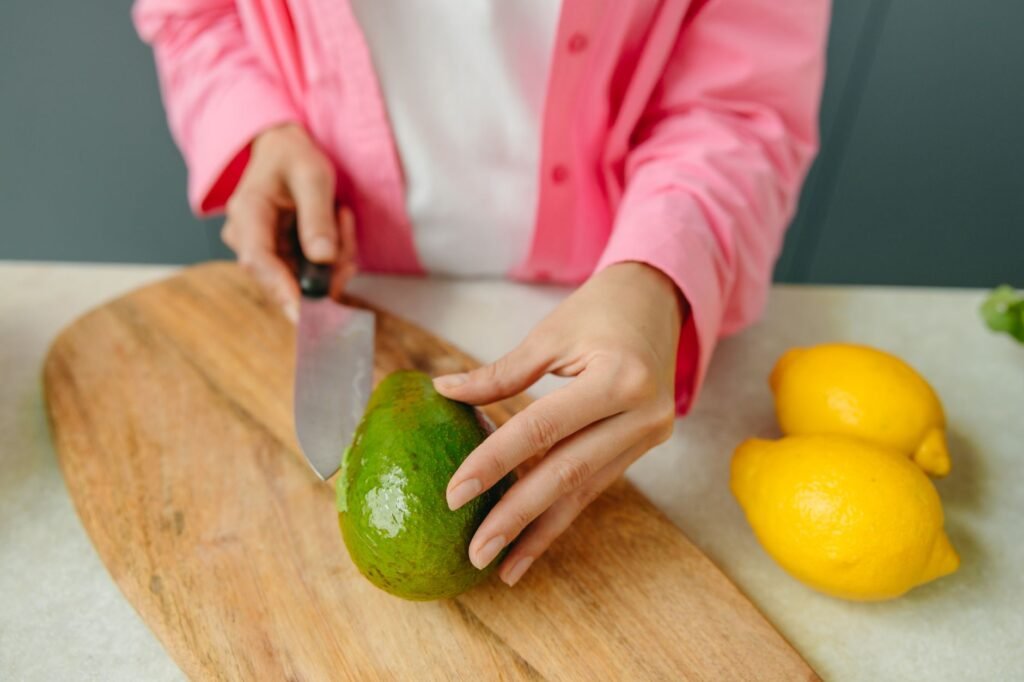
If you want the best chance of liking the result, freeze ripe avocado as mash or puree with an anti-browning ingredient, then package it tightly in small portions. The National Center for Home Food Preservation says avocados are best frozen as puree and are not satisfactorily frozen whole or sliced. It also recommends adding 1 tablespoon of lemon juice for each 2 avocados, or 1/4 teaspoon of ascorbic acid per quart of puree, before sealing and freezing. (nchfp.uga.edu)
That guidance matters because it tells you what freezing is actually good for. Frozen avocado is excellent when the final job is creaminess: smoothie packs, green sauces, dressing bases, avocado crema, baby-food-style purees, or make-ahead mash for wraps and grain bowls. It is much less satisfying when the final job is clean slices, tidy cubes, or anything where fresh texture is the whole point. (nchfp.uga.edu)
Use the 2-2-1 Avocado Freeze Rule
- 2 signs it is ready: The avocado should be ripe enough to yield to gentle pressure and should look clean inside, without dark, stringy, or moldy spots. (nchfp.uga.edu)
- 2 protections it needs: Add acid to slow browning and remove as much air as possible from the package. (nchfp.uga.edu)
- 1 serving at a time: Only freeze as much as you will use at once. For example, if you plan to use half of an avocado for a smoothie, or use one whole avocado for a batch of sauce, then freeze that amount. This is an editor’s guideline, but a super quick and easy way to avoid thawing/re-freezing and throwing away food or having lots of left-overs.
Here is why the last part matters financially. Say you buy a bag of 6 avocados for $5.49, or about $0.92 each. If you use only 3 before the rest overripen, your effective cost per usable avocado jumps to $1.83. If you freeze the extra 3 at peak ripeness and later use them in six half-avocado portions, you keep the usable cost at the original $0.92 each and avoid $2.76 of waste. That is not life-changing money, but it is exactly the kind of low-effort grocery loss that can quietly add up over a year.
Choose the freeze format based on the job
| If you plan to use it for | Best format to freeze | Smart portion size | What to expect after thawing |
|---|---|---|---|
| Smoothies | Mashed or pureed avocado in flat freezer bags, small containers, or cube portions | 1/2 avocado or about 1/4 to 1/2 cup | Creamy once blended; some separation is fine |
| Sauces, dressings, avocado crema | Smooth puree with lemon juice | 1 avocado per portion | Best texture after stirring or blending |
| Meal-prep mash for wraps, bowls, egg dishes, or sandwiches | Slightly chunky mash pressed flat in a bag | 1 avocado or 2 small servings | Good for spreadable uses, not neat slices |
| Toast topping or salads where texture matters most | Do not freeze unless you are willing to accept a softer result | Use fresh instead | Usually too soft or watery to feel fresh |
If you are torn between chunks and puree, pick puree unless you have a very specific reason not to. Extension guidance consistently treats puree as the best-quality avocado format for freezing, and general freezing guidance explains why: ice crystal damage softens fruits and vegetables, so the less you need the avocado to hold a tidy shape later, the happier you are likely to be with the result. (nchfp.uga.edu)
Step by step: how to freeze avocados without wrecking them
- Wait for ripeness. Freeze avocados when they are ripe and just giving to gentle pressure, not rock hard and not collapsing. Good-quality produce goes into the freezer; the freezer does not improve poor fruit. (nchfp.uga.edu)
- Wash right before cutting, not days earlier. FoodSafety.gov advises washing produce under running water even if you do not eat the peel, because germs on the outside can move inside when you cut it. Michigan State University Extension also notes that washing before storage adds moisture that can encourage earlier spoilage. (foodsafety.gov)
- Halve, pit, and scoop. Peel the avocado or scoop out the flesh, then inspect it. If the inside is badly browned, stringy, or has off odors, do not freeze it.
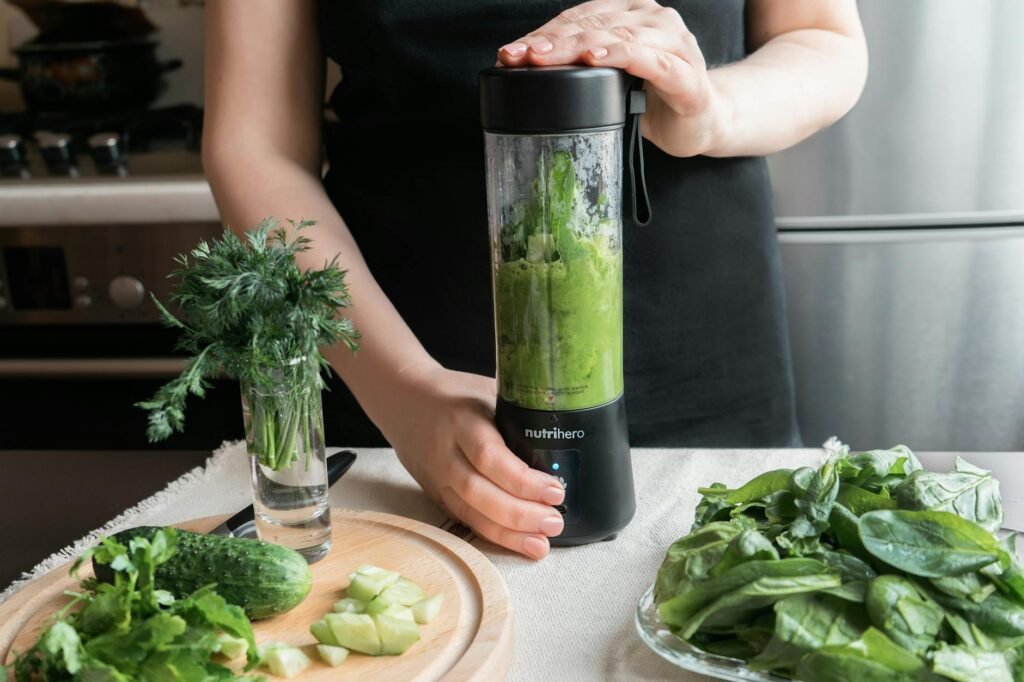
- Mash or puree it for best results. Use a fork for slightly chunky meal-prep mash or a blender or processor for smoother sauce portions. This is the best-quality route according to home-preservation guidance. (nchfp.uga.edu)
- Add anti-browning protection. Stir in 1 tablespoon of lemon juice for every 2 avocados, or use the ascorbic acid amount recommended by the preservation guidance if you keep it on hand. (nchfp.uga.edu)
- Portion for one use. Flat snack- or sandwich-size freezer bags work well for thin portions. Small rigid containers also work, especially for smoother puree. If you use bags, press out as much air as possible before closing. If you use containers, leave headspace so the food can expand safely as it freezes. (nchfp.uga.edu)
- Freeze fast and label everything. Colorado State guidance recommends freezing packaged avocado as quickly as possible at 0°F or below and placing containers in a single layer for quicker freezing. Write the date and portion size on the package before it disappears into the back of the freezer. (apps.chhs.colostate.edu)

Warning: Food safety matters on the thawing side too. Keep cut avocado refrigerated within 2 hours, and never thaw frozen avocado on the counter or in warm water. The safe options are refrigerator thawing, cold running water, or microwave thawing if you are using it right away. (foodsafety.gov)
A realistic example with numbers
Imagine a two-person household that buys 5 ripe avocados for taco night, sandwiches, and smoothies. They use 2 the first day, 1 the next day, and realize the last 2 will probably turn before the weekend. Instead of refrigerating them and hoping, they mash both with 1 tablespoon of lemon juice, divide the mixture into four half-avocado portions, press the bags flat, label them, and freeze them. Later, two portions go into weekday smoothies, one becomes a quick blender sauce with yogurt and cilantro, and one gets stirred into scrambled eggs and spread on toast. The household avoids tossing about $2 to $3 of produce and also skips a midweek store run.
The best way to think of frozen-dried-avocados is that they should be treated like an ingredient bank, rather than thinking of them as replacements for fresh avocados. If you were to freeze them and anticipate having a good salad with them when needed, you may find yourself underwhelmed. However, if you freeze them and anticipate adding anywhere from 1 to 3 tablespoons of creaminess (to any dish you desire) when needed, they certainly warrant the freezer space.
Common mistakes that turn frozen avocado gray, watery, or useless
- Freezing whole avocados because it feels easier. Convenience is real, but best-quality preservation guidance says whole or sliced avocado is not the strongest method. (nchfp.uga.edu)
- Skipping lemon juice or ascorbic acid. Browning and stale flavor can show up faster when you leave the avocado unprotected. (nchfp.uga.edu)
- Leaving a lot of air in the bag. Freezer packaging should protect food from moisture loss and off flavors, and flexible bags should be pressed to remove as much air as possible. (nchfp.uga.edu)
- Freezing one giant container. Big containers freeze more slowly, and slower freezing means larger ice crystals and worse texture. (nchfp.uga.edu)
- Using underripe avocados. Freezing preserves the avocado you have, not the avocado you wish it would become. Guidance for avocado freezing starts with ripe fruit that yields to gentle pressure. (nchfp.uga.edu)
- Thawing on the counter. Once food warms above 40°F, bacteria can multiply. (nchfp.uga.edu)
- Expecting it to look exactly fresh. Freezing softens plant tissue. Even well-packed avocado may need stirring, blending, or partial use while still slightly icy. (extension.illinois.edu)
Where this plan falls short, and what to do instead
The wrong solution to avocado issues is indeed freezing. If you purchased hard avocados that are far from ripe at the time of purchase (a few days away), it will be more beneficial to stagger their ripening so you will have the avocados available fresh as they ripen. If your purpose for the sliced avocado is to use in salads, grain bowls, etc., freezing will generally not be a viable option because the texture will be too soft after thawing. If you have an avocado that is badly dented on the inside or has an odor, freezing will not help you salvage that avocado either.
For home preservation, avocados also are not a canning project; Michigan State University Extension notes that there are no research-tested recipes for canning avocados at this time. (nchfp.uga.edu)
If your thawed avocado comes out wetter than expected
- Stir it hard before judging it. Slight separation is normal.
- Use it in a blender sauce with yogurt, sour cream, or olive oil.
- Add it straight to a smoothie while still partially frozen.
- Fold it into egg salad, tuna salad, or chicken salad as a creamy binder.
- Whisk it into lime dressing or avocado crema instead of trying to spread it plain.
How to verify that your freezing method actually works
- Run a one-avocado test batch before freezing a whole sale bag. Use the portion size you think you will need most often.
- Label it with the date and intended use, such as smoothie or sauce.
- Thaw it in the refrigerator, then judge it only in the recipe it was meant for. A thawed avocado that looks too soft for toast can still be excellent in a smoothie or dressing. (nchfp.uga.edu)
- If the color is too dull, increase the acid slightly next time. If the texture is icy or dry, use flatter bags, remove more air, and freeze portions faster in a single layer. (nchfp.uga.edu)
Note: This guide is informational and focused on home storage. If an avocado smells off, sat too long above refrigerator temperature, or has visible mold inside, discard it rather than trying to save it.
Bottom line
The right way to freeze avocados is simple: wait until they are ripe, mash or puree them, add lemon juice or ascorbic acid, pack them tightly in one-use portions, and keep them for blended or spreadable uses. That method will not give you fresh texture, but it can give you cheaper smoothies, faster sauces, and fewer avocados lost to the compost bin. For most households, that is the win that matters. (nchfp.uga.edu)
FAQ
Can you freeze avocado chunks for smoothies?
You can, but best-quality preservation guidance still favors puree over slices or pieces. If the avocado is headed for the blender anyway, small portions of mash or puree are usually the safer bet for texture and color. (nchfp.uga.edu)
Do you really need lemon juice?
You need some form of anti-browning protection if you want better quality. The National Center for Home Food Preservation recommends 1 tablespoon of lemon juice for each 2 avocados, or ascorbic acid in the recommended amount for puree. (nchfp.uga.edu)
How long do frozen avocados last?
For safety, frozen foods kept continuously frozen stay safe indefinitely, but quality drops over time. Extension guidance says most frozen fruits keep high quality for about 8 to 12 months at 0°F or below, and one avocado-specific extension source recommends using frozen avocado within 12 months. (nchfp.uga.edu)
What is the best way to thaw frozen avocado?
The safest methods are thawing in the refrigerator, under cold running water, or in the microwave if you will use it immediately. Do not thaw it on the counter. (nchfp.uga.edu)
Can frozen avocado be used for guacamole?
It can work if your expectations are realistic. Frozen avocado is better in mashed or blended uses than in fresh-texture dishes, so guacamole-style dips are more forgiving than sliced avocado toppings. Add fresh onion, cilantro, jalapeno, and lime after thawing to brighten the flavor. (nchfp.uga.edu)
Is frozen avocado good for toast?
Usually only if you are treating it like a mash, not like fresh slices. If your favorite avocado toast depends on fresh, springy texture, freezing is likely to disappoint. The better use is a seasoned spread after thawing and stirring. (nchfp.uga.edu)
References
- National Center for Home Food Preservation: Freezing Avocados – https://nchfp.uga.edu/how/freeze/fruits/freezing-avocados/
- National Center for Home Food Preservation: Thawing and Preparing Foods for Serving – https://nchfp.uga.edu/how/freeze/freeze-general-information/thawing-and-preparing-foods-for-serving/
- National Center for Home Food Preservation: Containers for Freezing – https://nchfp.uga.edu/how/freeze/freeze-general-information/containers-for-freezing/
- FoodSafety.gov: Fruit and Vegetable Safety – https://www.foodsafety.gov/blog/fruit-and-vegetable-safety
- Colorado State University Extension Preserve Smart: Freezing Avocados – https://apps.chhs.colostate.edu/preservesmart/produce/freezing/avocados/
- Michigan State University Extension: How to safely store and preserve avocados – https://www.canr.msu.edu/news/how-to-safely-store-and-preserve-avocados
- Oregon State University Extension: Freezing fruits and vegetables – https://extension.oregonstate.edu/catalog/pnw-214-freezing-fruits-vegetables
- Illinois Extension: Freezing – https://extension.illinois.edu/food-preservation/freezing