TL;DR
- The fastest fix for a bland avocado salad is not more dressing. It is contrast: crisp vegetables, sharp acid, a salty note, and a real protein or grain anchor.
- Use the Fresh-Balance-Fill Audit: 2 crisp items, 1 acid source, 1 savory finish, 1 filling anchor, no more than 2 rich extras, and sturdy greens if you are packing lunch.
- For most meal salads, 1 medium avocado is enough for 2 servings; avocado is already rich, and a medium fruit contains about 240 calories, 22 grams of fat, and 10 grams of fiber. (nutritionsource.hsph.harvard.edu)
- If you are meal-prepping, keep the avocado and dressing separate until serving. FDA guidance says cut produce should be refrigerated within 2 hours, or within 1 hour if the temperature is above 90°F. (fda.gov)
- Budget fix: stretch one avocado with beans, cabbage, cucumber, herbs, and an acid-forward dressing instead of piling on several premium toppings. MyPlate’s budget guidance emphasizes planning, comparing unit prices, buying in-season produce, and using canned or frozen produce to save money and reduce waste. (myplate.gov)
The typical avocado salad fails for the same reasons every time: They are mushy, they lack flavour and texture, and they are not filling enough to be prepared into an actual meal. You could pay lots of money to buy avocados, add some sort of expensive cheese or nuts, and still have a bowl that tastes mediocre and forces you back into the pantry within an hour.
The fix is structural, not fancy. Avocado already brings richness. What it needs around it is relief: high-water vegetables, acid, salt, and either protein or chewy grains. That lines up with MyPlate’s broader advice to build meals around fruits and vegetables while mixing in protein foods and whole grains when you want a more filling plate. Avocados themselves are rich in monounsaturated fat and fiber, which is part of why they help salads feel substantial in the first place. (nutritionsource.hsph.harvard.edu)
Use the Fresh-Balance-Fill Audit before you toss anything
The Fresh Balance Fill Audit is the original tool for this article. This audit is performed as a six-point checklist to ensure that there is balance and that no single ingredient (the avocado in this case) does all of the work in the bowl. You should be able to run through this checklist in your mind while preparing the salad.
When you score 5 or 6 on the audit for a salad, it will generally taste fresh enough that you will want a second bite of it and will have enough substance to serve as a meal. When you score between 3 and 4 on the audit, your salad will normally lack either the ideal amount of acid, crunch or weight. When you score between 0 and 2 on the audit, you likely have a side salad that is pretending to be your lunch.
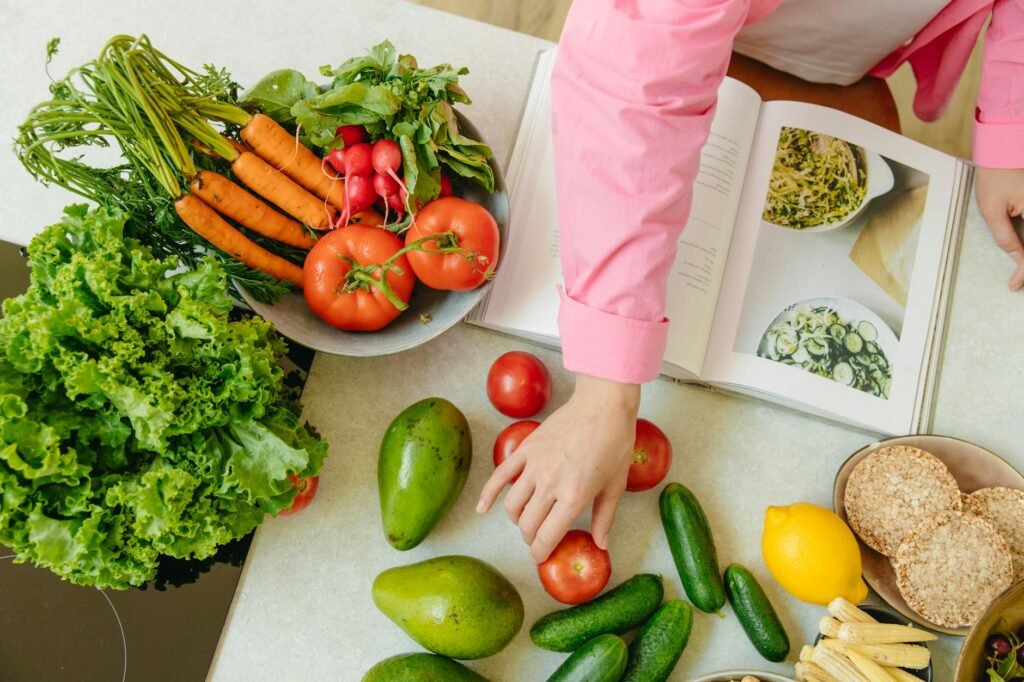
- Freshness: Include at least 2 crisp or juicy elements besides avocado, such as cucumber, radish, celery, romaine, fennel, herbs, or snap peas.
- Balance: Add 1 bright acid source, such as lemon, lime, red wine vinegar, rice vinegar, or pickled onions.
- Fill: Include 1 staying-power anchor, such as beans, lentils, eggs, tofu, chicken, shrimp, quinoa, farro, or brown rice.
- Savory finish: Add 1 salty or toasty accent, such as feta, olives, parmesan, pepitas, toasted almonds, or sunflower seeds.
- Restraint: Besides avocado, limit yourself to no more than 2 rich extras. Avocado plus cheese plus nuts plus creamy dressing usually tastes crowded and costs more than it improves the bowl.
- Structure: If this is tomorrow’s lunch, choose sturdy greens and keep wet ingredients separate. A salad that has to travel needs a different build than one you eat right away.
Build the bowl in this order
- Focus on having a good base instead of making it look fancy. For two salads, you’ll want at least three cups of hearty greens and one to two cups of crunchy vegetables. Great choices for sturdy greens are romaine, baby romaine, chopped kale, cabbage, and mixed baby spinach. All of these greens will hold together better with avocado compared to spring mix.
- Choose the avocado for the day you plan to eat it. If you need it now, look for fruit that yields gently to pressure. If you are shopping ahead, buy it firm and let it finish softening at home; avocados soften after harvest rather than on the tree. (nutritionsource.hsph.harvard.edu)
- Add a filling anchor before you think about toppings. Good options for 2 servings are 1 can of chickpeas or white beans, 2 to 3 hard-boiled eggs, 6 to 8 ounces of cooked chicken or shrimp, or 1 cup cooked quinoa or farro with a lighter protein. MyPlate recommends varying protein foods and making at least half your grains whole grains. (myplate.gov)
- Bring in water and crunch. Cucumber, celery, radish, corn, sugar snap peas, or chopped herbs make avocado taste fresher because they lighten the mouthfeel and wake up the dressing.
- Add the salad dressing in an acidic form first, and then add the salad dressing in an oily form. Since avocado is so creamy, you’ll want to use sharp or simple salad dressings: lemon-Dijon, lime-cumin, red wine vinaigrette. Or, use a mixture of rice vinegar and sesame oil to dress the salad. Start lightly dressed, and you may always add more.
- Finish after tasting. Add salt, then your savory accent, then avocado last. Larger avocado pieces hold their texture better than tiny cubes, especially if the salad sits for 15 or 20 minutes before eating.
Pick a build based on the job the salad has to do
| If you need | Use this base | Add this filling anchor | Best finishing move |
|---|---|---|---|
| Fast desk lunch | Romaine + cucumber + herbs | Chickpeas + 1/2 cup cooked quinoa | Lemon-Dijon dressing + feta |
| Light dinner side | Arugula or mixed greens + tomatoes | Small spoonful of white beans or none | Red wine vinaigrette + shaved parmesan |
| Budget weeknight meal | Cabbage + frozen corn + cucumber | Black beans or lentils | Lime dressing + toasted pepitas |
| Make-ahead lunch | Kale or romaine + celery + radish | Chicken, tofu, or lentils | Pack avocado and dressing separately |
| High-protein salad | Romaine + cabbage + tomatoes | Chicken, shrimp, eggs, or tofu | Acidic dressing + olives or sunflower seeds |
Cost control usually comes from limiting rich ingredients and letting lower-cost bulk ingredients do more of the work. MyPlate’s budget guidance highlights planning, checking unit prices, buying in-season produce, and using canned or frozen produce as practical ways to stretch meals without making them feel stripped down. That is exactly why beans, cabbage, cucumbers, carrots, and frozen corn are so useful in avocado salads. (myplate.gov)
A realistic lunch example with numbers
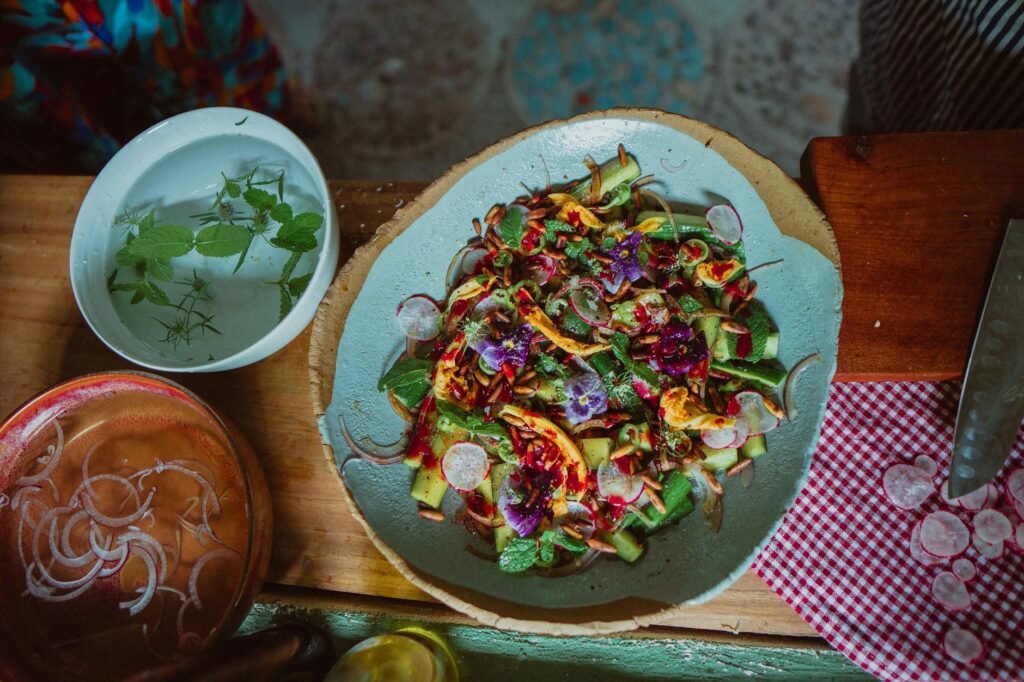
Here is an illustrative work-from-home lunch for 2 people. Use 1 romaine heart ($1.69), 1 cucumber ($0.89), 1 can of chickpeas ($1.09), 1/2 cup cooked quinoa from the pantry ($0.45), 2 avocados ($2.50 total), 2 ounces of feta ($1.50), and a lemon-mustard dressing made from pantry staples ($0.90). Total: about $9.02, or $4.51 per serving.
In order to achieve the results of your operations, your team must work together. The effectiveness of each team member is essential for the team to achieve its goals. Working cooperatively helps each member understand their role and responsibilities. By cooperating with other team members, all team members can contribute to the success of the overall team. It is important for each team member to be able to rely on other team members for support.
Common mistakes that make avocado salad feel flat or unfinished
- Using only soft ingredients. Avocado plus tomatoes plus delicate greens plus creamy dressing creates a bowl with no edge.
- Trying to make avocado do the work of protein. Greens, tomatoes, and avocado can make a good side dish, but they are often not enough for a filling lunch.
- Skipping acid. If a salad tastes heavy, the answer is usually lemon, lime, or vinegar before more oil or more cheese.
- Adding too many luxury toppings at once. Avocado, feta, nuts, smoked salmon, and bottled dressing can double the cost and still produce a confused bowl.
- Dressing too early. Salt and acid pull water out of vegetables, which is useful at the table and annoying in the fridge.
- Cutting the avocado too soon. It loses its best texture first, and the color goes shortly after.
- Choosing the wrong greens for meal prep. Spring mix wilts fast. Romaine, kale, and cabbage hold up better.
Food safety note: Wash avocados and other produce before cutting. FDA and FoodSafety.gov note that dirt and bacteria on the peel can transfer by knife, and cut produce should be refrigerated within 2 hours, or within 1 hour if it has been sitting above 90°F. Pre-washed greens labeled ready-to-eat can be used as sold, but keep them away from unclean counters and utensils. (fda.gov)
If the store gave you hard avocados, soft greens, or a tight budget
This is where most real-world salads are decided. The ideal bowl is easy on a Saturday. The useful bowl is the one you can still build on a Tuesday when one avocado is rock hard, the lettuce looks tired, and you do not want to spend another $12 on add-ons.
- If the avocado is hard, do not force it. Avocados soften after harvest, and ripe fruit should yield gently. Build the salad today with beans, eggs, tofu, or chicken, and save the avocado for tomorrow. (ipm.ucanr.edu)
- If the avocado is too ripe, change the format. Mash it into a dressing with lime juice, cold water, salt, and a little olive oil instead of trying to cube it neatly.
- If the greens are weak, move to chopped cabbage, romaine, or a grain-and-vegetable bowl. Avocado cares more about structure than leafy status.
- If the budget is tight, buy only one ripe avocado and bulk up with beans, lentils, cabbage, frozen corn, carrots, and herbs. MyPlate’s budget resources specifically emphasize planning, comparing similar products, buying produce in season, and using canned or frozen produce to save money. (myplate.gov)
- If the salad still does not keep you full, add another true anchor next time: 1/2 to 1 cup cooked whole grain, another egg, more beans, or a larger serving of chicken or tofu. MyPlate’s guidance on protein foods and whole grains is a good reminder that vegetables alone do not need to do the entire job. (myplate.gov)
- If you need a lunch that can survive a commute, pack dressing, avocado, and crunchy toppings separately, then assemble right before eating.
How to pressure-test your salad before you serve it
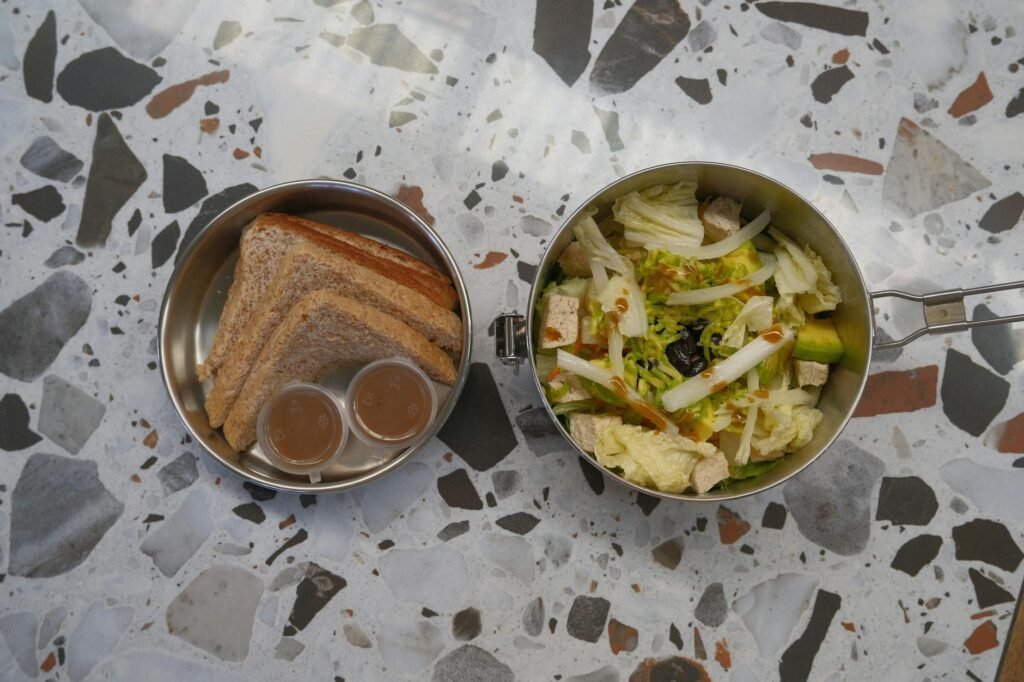
- Take 2 bites before serving: one with dressing and one with avocado. If the avocado bite tastes dull, increase acid and salt, not fat.
- Check for 3 textures on the fork: creamy, crisp, and chewy. If one is missing, the bowl is probably incomplete.
- Wait 10 minutes. If water pools at the bottom, seed watery vegetables next time, salt them later, or keep them separate until serving.
- Track hunger honestly. If you want a snack in 60 to 90 minutes, the next version may need more protein or grain, not more garnish.
Good advice should hold up after the first pretty toss. So audit the bowl in real time and again the next day. Did the crunch survive? Did the dressing stay bright? Did the salad keep you full through the afternoon? Those answers matter more than whether it looked generous in the mixing bowl. For leftovers, refrigerate promptly and keep perishable components cold. (fda.gov)
Bottom line
Avocados are the main ingredient in an avocado salad. However, they also need to have other ingredients around them. These supporting ingredients can include; crisp vegetables, actual acidity, enough seasoning and a clear source of maintaining their structure. When evaluating the salad with a Fresh-Balance-Fill Audit, you should limit the use of heavy rich ingredients and allow beans, grains and crunchy produce to do more of the weight bearing. This will provide you with a salad that tastes fresher, feels more balanced and is worthy to call a lunch.
Frequently Asked Questions
How much avocado should I use per person?
For a side salad, 1/4 to 1/2 avocado per person is usually enough. For a meal salad, 1/2 avocado per person often works better than a whole fruit because avocado is already rich; a medium avocado contains about 240 calories, 22 grams of fat, and 10 grams of fiber. (nutritionsource.hsph.harvard.edu)
What is the best vegetarian protein for avocado salad?
Chickpeas, black beans, lentils, baked tofu, edamame, nuts, seeds, and eggs if you eat them all work well. MyPlate includes beans, peas, lentils, nuts, seeds, soy products, and eggs among protein foods, so you have plenty of options besides meat. (myplate.gov)
Can I make avocado salad ahead for lunch tomorrow?
Yes, but pack it in parts. Keep greens dry, hold the avocado and dressing until close to eating, and refrigerate cut produce promptly. Pre-washed greens labeled ready-to-eat can be used as sold. (fda.gov)
What dressing works best with avocado?
Usually a bright one. Lemon-Dijon, lime-cumin, red wine vinaigrette, and rice vinegar-based dressings tend to work better than heavy creamy dressings because avocado already supplies richness.
What if my avocado is not ripe yet?
Wait if you can. Avocados soften after harvest, and ripe ones should yield gently to pressure. If lunch cannot wait, build the same salad with another filling ingredient and add avocado the next day. (ipm.ucanr.edu)
How do I keep avocado salad from getting brown and watery?
Cut the avocado last, keep air exposure low, and do not dress watery vegetables until close to serving. For storage, keep the salad cold and refrigerate cut produce promptly. (fda.gov)
References
- Harvard T.H. Chan School of Public Health – Avocados – https://nutritionsource.hsph.harvard.edu/avocados/
- USDA MyPlate – What Is MyPlate? – https://www.myplate.gov/web/eat-healthy/what-is-myplate
- USDA MyPlate – Grains Group – https://www.myplate.gov/web/web/eat-healthy/grains
- USDA MyPlate – Protein Foods Group – https://www.myplate.gov/eathealthy/protein-foods/protein-foods-nutrients-health?post=08132019a
- USDA MyPlate – Healthy Eating on a Budget – https://www.myplate.gov/web/web/eat-healthy/healthy-eating-budget
- USDA MyPlate – Shop Smart – https://www.myplate.gov/eathealthy/budget/budget-price-tag
- FDA – Selecting and Serving Produce Safely – https://www.fda.gov/food/buy-store-serve-safe-food/selecting-and-serving-produce-safely
- FDA – Are You Storing Food Safely? – https://www.fda.gov/consumers/consumer-updates/are-you-storing-food-safely
- FoodSafety.gov – Fruit and Vegetable Safety – https://akastage-www.foodsafety.gov/blog/fruit-and-vegetable-safety
- UC IPM – Harvesting and Storing Avocados – https://ipm.ucanr.edu/home-and-landscape/harvesting-and-storing-avocados/