Bad guacamole is frustrating for two reasons. First, it ruins the dish you were counting on. Second, it wastes one of the more expensive items in the produce aisle. When a batch turns loose, gray-green, or oddly flat, the problem usually is not that you need a fancier recipe. It is usually the process: fruit that was never truly ready, too much air exposure after mashing, or a bowl weighed down by wet mix-ins and too much stirring. Reputable guacamole methods consistently lean on ripe avocados, a coarse mash, and careful handling of wet ingredients like tomato. (californiaavocado.com)
Why this bowl gets expensive fast
Say you buy six avocados at $1.50 each, plus lime, onion, tomato, cilantro, and chips. You are already around $13 to $15 into a snack that disappears in minutes when it goes right. If the batch turns brown before guests arrive or gets so watery that it slides off the chip, part of that spend can end up as avoidable grocery waste. That is why the smartest guacamole advice is not about adding more ingredients. It is about protecting texture, flavor, and timing.
Use the WBB Reset before you start over
The quickest way to troubleshoot a bad batch is the WBB Reset: Water, Browning, Balance. It is a simple triage tool. First, check for free liquid and an overmixed texture. Second, check how much air is touching the surface. Third, taste for ripeness and seasoning before you throw more ingredients at the bowl. Browning is mostly a surface-exposure issue, while blandness can begin with fruit that was never fully ready to eat. (californiaavocado.com)
- Water: Is there liquid pooling at the bottom, a slick sheen on top, or a puree-like texture instead of a rough mash? If yes, think wet tomato, extra lime, or too much stirring. The strongest recipe pattern is coarse, not whipped. (californiaavocado.com)
- Browning: Is the color change mostly on the surface? If yes, your main fix is less air contact: acid, direct-contact wrap, airtight storage, and refrigeration. The pit is not the real solution. (californiaavocado.com)
- Balance: Does it taste flat even though the texture is decent? If the avocado is creamy but dull, adjust seasoning. If it is rubbery or flavorless, the fruit may not have been truly ripe or mature enough in the first place. (californiaavocado.com)
| If your guacamole is… | Most likely problem | Best immediate fix | What to change next time |
|---|---|---|---|
| Watery | Too much free liquid from wet mix-ins, too much lime, or overmashing. The recipe pattern that shows up again and again is a coarse mash plus seeded tomato, not a wet puree. (californiaavocado.com) | Spoon off any pooled liquid, fold gently instead of beating, and if you have one more avocado, mash it in to tighten the bowl. | Seed tomato, use less lime up front, and stir juicy ingredients in last. |
| Brown on top only | Surface oxidation from air exposure. (californiaavocado.com) | Scrape off the top layer, or stir it in if the color change is light and you are serving immediately. Then press wrap directly onto the surface and chill. (californiaavocado.com) | Make it closer to serving time and store it with direct-contact wrap, not a loose cover. (nutritionsource.hsph.harvard.edu) |
| Creamy but bland | Underseasoned or under-acidic. Recipes consistently finish with salt to taste after mixing. (californiaavocado.com) | Add salt in small pinches, taste, then add a little more lime or finely minced chile if needed. | Season in rounds instead of all at once. |
| Bland and rubbery | Fruit that was not properly ripe or mature. Avocados picked too early may stay rubbery, and microwaving does not create true ripe flavor. (ucanr.edu) | Do not keep chasing the bowl with extra salt and lime. Repurpose it as a spread or dressing base. | Buy earlier, let fruit ripen naturally, and use avocados that yield to gentle pressure. (californiaavocado.com) |
What makes guacamole watery
Watery guacamole is rarely one dramatic mistake. More often, it is a stack of small ones: tomato with seeds and pulp still attached, extra lime added by feel instead of in small additions, onion cut too large, and a bowl mashed until it acts more like baby food than dip. The useful clue is what good recipe structure already shows. Trusted guacamole recipes call for a coarse mash, not a fully smooth puree, and when tomato appears, it is often seeded and diced. That is a strong sign that free liquid is the enemy. (californiaavocado.com)
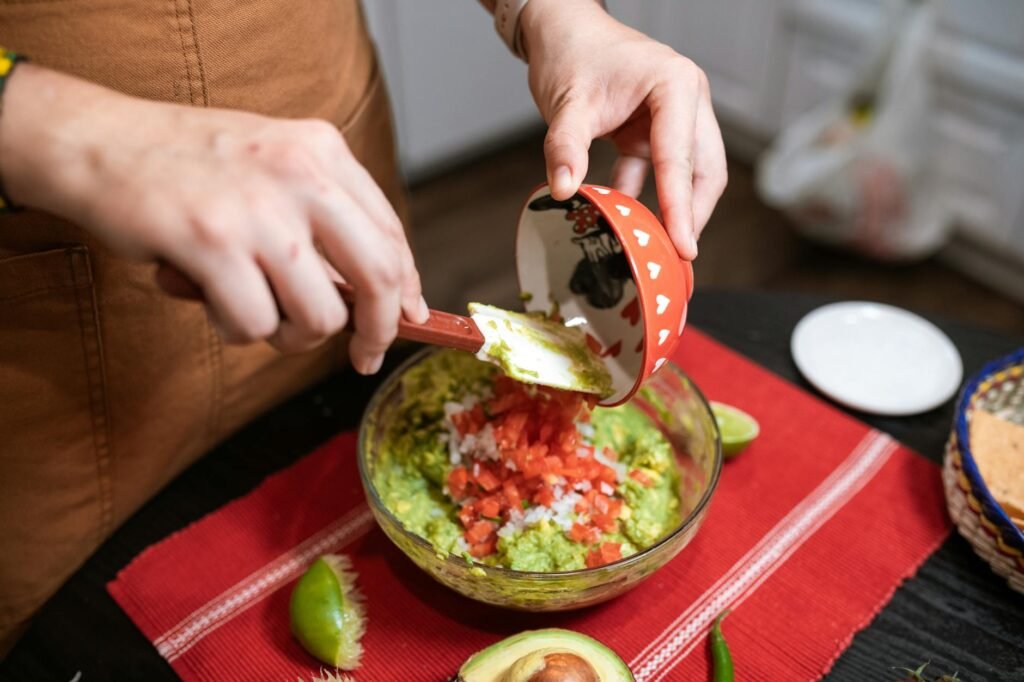
In practice, the fix is simple. Keep tomato optional if you are making guacamole ahead. If you want it, seed it first and add it near the end. Start with less lime than you think you need, then taste. Mash the avocados enough to hold together, but stop before they turn glossy. If you are serving the bowl with chips, texture matters as much as flavor; a rougher mash holds on the chip better and usually tastes fresher too. Reputable recipes consistently preserve some chunkiness for exactly that reason. (californiaavocado.com)
Why guacamole turns brown so fast
Brown guacamole is the easiest problem to explain and one of the easiest to underestimate. Once avocado flesh is exposed to air, oxidation starts. Lime or lemon can slow that process, and refrigeration helps, but the key move is still blocking air from the surface. That is why direct-contact plastic wrap works better than loosely covering the bowl, and why the old pit trick is not a true storage strategy. At best, the pit only protects the tiny spot it physically covers. (californiaavocado.com)
If your guacamole is brown only on top, you may not need to toss it. Harvard notes that browned avocado flesh is still edible, and the California Avocado Commission says a browned top layer can be removed to reveal fresher color underneath. That said, color advice is not the same as safety advice. If the bowl has been sitting out too long, the FDA two-hour rule matters more than the shade of green. (nutritionsource.hsph.harvard.edu)
Why it ends up bland
Bland guacamole usually begins before the lime is squeezed. California Avocado advises choosing fruit that yields to gentle pressure, and UC ANR notes that avocados picked before maturity may not soften properly and can remain rubbery and inedible. UC ANR also notes that as fruit matures it develops more oil and richer flavor. In other words, you cannot fully season your way out of bad fruit. If the avocado itself tastes thin, grassy, or rubbery, the batch may never get where you want it. (californiaavocado.com)
The other blandness problem is timid seasoning. Good guacamole recipes do not stop at avocado and lime. They typically rely on salt, onion, chile, and sometimes garlic or cilantro, with final seasoning adjusted after tasting. The smart move is to build flavor in layers: salt first, then acid, then heat or aromatics if the bowl still feels dull. What you want is an avocado-forward dip, not a lime bath or an onion salad. (californiaavocado.com)
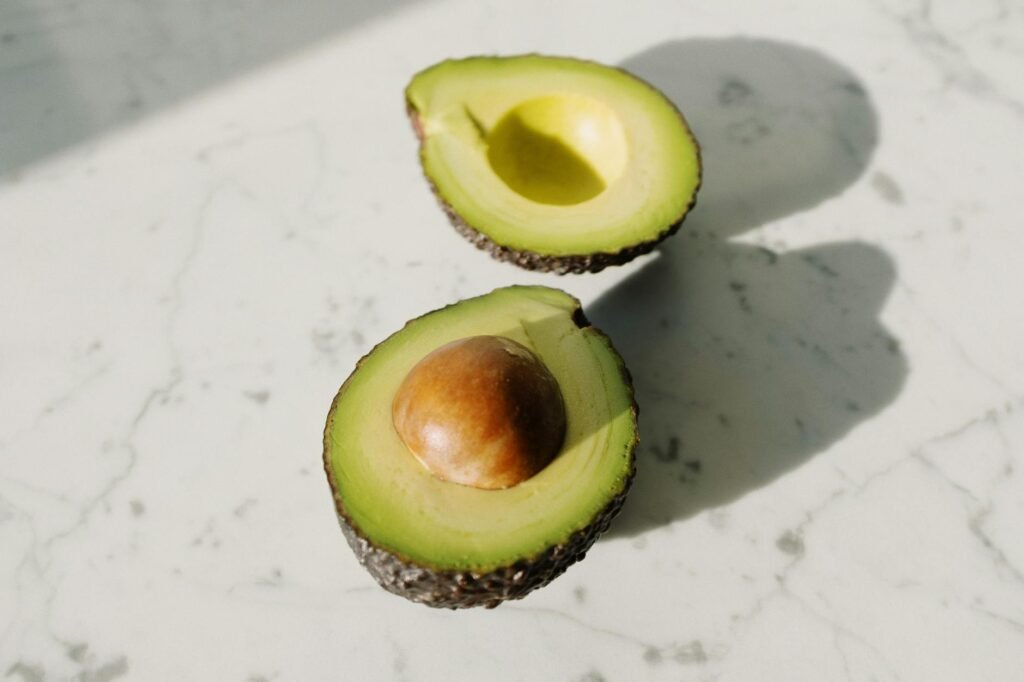
A build order that prevents most problems
- Buy for timing, not optimism. If serving today, choose avocados that yield to gentle pressure. If serving later, buy firmer fruit and let it ripen at room temperature first. Refrigeration is for ripe avocados, not hard ones. (californiaavocado.com)
- Wash and dry the avocado skin right before cutting. The FDA advises washing produce even when you do not eat the peel, because the knife can transfer dirt or bacteria inward. (fda.gov)
- Mash coarsely. Multiple reputable recipes keep the texture rough rather than fully smooth. (californiaavocado.com)
- Add lime and salt in modest amounts, then taste. It is easier to add another small squeeze or pinch than to rescue an over-acidic bowl. Recipes consistently reserve the right to adjust seasoning at the end. (californiaavocado.com)
- If using tomato, seed it first and fold it in gently near the end. That keeps extra liquid out of the bowl. (californiaavocado.com)
- If the bowl has to wait, press plastic wrap directly onto the surface and refrigerate. Harvard suggests holding it only a few hours when possible, and California Avocado says guacamole is best made close to serving. (nutritionsource.hsph.harvard.edu)
- Refrigerate leftovers promptly. The FDA says foods that need refrigeration should not sit out for more than two hours, or one hour above 90 F. (fda.gov)
Warning: Food safety matters here more than people think. Wash avocado skins before cutting, keep produce prep away from raw meat surfaces, and refrigerate guacamole within two hours. If it sat out longer than that, especially at a warm outdoor party, do not keep it just because it still looks green. (fda.gov)
When the first plan is not enough
Some bowls can be rescued. Some should be redirected. If the problem is a little surface browning, scrape and serve soon. If the bowl is thin, pour off obvious liquid and fold gently; if you have another ripe avocado, adding it usually works better than adding more onion or tomato. If the flavor is weak but the texture is good, season in tiny steps. But if the fruit itself is rubbery, gray inside, or off-tasting, stop trying to force it into party guacamole. UC Davis notes that chilling injury, overmaturity, and postharvest problems can lead to internal browning, off-flavors, and poor ripening. (californiaavocado.com)
The good backup move is repurposing. A too-thin batch can become avocado sauce for tacos, grain bowls, or quesadillas. A dull but still edible batch can be spread on toast or turned into a sandwich layer. If your issue is not a bad bowl but too many ripe avocados, preservation is the answer: MSU Extension and the National Center for Home Food Preservation both recommend freezing avocado as puree, not whole or sliced, with lemon juice or ascorbic acid for better quality. (canr.msu.edu)
Common mistakes that waste good avocados
- Buying by skin color alone instead of feel. California Avocado says ripe fruit should yield to gentle pressure, and color alone does not tell the whole story. (californiaavocado.com)
- Trying to microwave- or oven-ripen the fruit. That may soften it, but it does not create proper ripe texture or flavor. (californiaavocado.com)
- Skipping the wash step on the outside of the avocado before cutting. The FDA says the peel should still be washed because the knife can transfer surface contamination. (fda.gov)
- Mashing until the bowl is completely smooth. The common recipe pattern is coarse, not whipped. (californiaavocado.com)
- Adding unseeded tomato to a make-ahead batch. Seeded tomato shows up for a reason: less free liquid. (californiaavocado.com)
- Trusting the pit to keep the color. The California Avocado Commission is clear that the pit is not the real preservation method. (californiaavocado.com)
- Covering the bowl loosely instead of pressing wrap onto the surface. Air contact is what speeds browning. (californiaavocado.com)
- Leaving guacamole on the table through an entire game, barbecue, or potluck. The FDA two-hour rule still applies. (fda.gov)
How to pressure-test your method
The best way to see what actually improves your guacamole is a cheap side-by-side test. Make two mini bowls from the same avocados. In one, use seeded tomato, a coarse mash, and plastic wrap pressed directly on the surface. In the other, use wetter tomato pieces, a smoother mash, and a loose cover. Check both after 30 minutes and again after two hours. You will learn more from one controlled kitchen test than from ten vague internet tips, because the real variables here are air exposure, water, and texture management. (californiaavocado.com)
Bottom line
If guacamole keeps disappointing you, do not chase the problem with more ingredients. Start with properly ripe avocados, wash and prep them correctly, keep the mash coarse, control wet add-ins, and treat air as the enemy. Those five habits prevent most watery, brown, and bland bowls before they start, and they do it without wasting another $10 worth of produce. The official guidance is straightforward: ripe fruit, careful storage, direct surface coverage, prompt refrigeration, and freezing only as puree when needed. (californiaavocado.com)
FAQ
Does leaving the pit in the bowl keep guacamole green?
Not really. The California Avocado Commission says there is no special protective property in the pit. At best, it reduces air contact only where the pit physically touches the guacamole. Direct-contact wrap plus refrigeration works better. (californiaavocado.com)
Should guacamole include tomato?
It can, but tomato is one of the easiest ways to loosen the bowl if you are not careful. Notably, reputable recipes that include tomato often call for it to be seeded and diced, which is a practical clue for limiting extra moisture. If you are making guacamole ahead, keeping tomato out until the end is often the safer move. (californiaavocado.com)
Why does my guacamole taste bland even when I add a lot of lime?
Because lime cannot fully fix unripe fruit. UC ANR notes that avocados picked before maturity may stay rubbery and inedible, and California Avocado warns that microwave-softened fruit can still taste unripe. If the avocado is truly ready, then the next likely issue is simple underseasoning; good recipes finish by tasting and adjusting salt. (ucanr.edu)
Is brown guacamole unsafe to eat?
Brown on the surface is usually oxidation, not automatic spoilage. Harvard says browned avocado flesh is still edible, and the California Avocado Commission says a browned top layer can be removed. But safety also depends on time and temperature. If the guacamole sat out longer than two hours, the FDA says it should not be kept. (nutritionsource.hsph.harvard.edu)
How far ahead can I make guacamole?
As a quality rule, closer to serving is better. California Avocado says guacamole is best made as close to serving as possible, and Harvard advises that if you are not serving it immediately, press plastic wrap directly onto the surface and refrigerate, preferably only for a few hours. (californiaavocado.com)
Can you freeze guacamole?
Yes, but the best quality comes from freezing avocado as puree rather than whole or sliced pieces. The National Center for Home Food Preservation recommends puree with either ascorbic acid or 1 tablespoon lemon juice for every 2 avocados, and MSU Extension gives the same basic guidance. (nchfp.uga.edu)
References
- California Avocado Commission – Preventing a Cut Avocado from Oxidizing – https://californiaavocado.com/how-to/preventing-a-cut-avocado-from-browning/
- California Avocado Commission – Frequently Asked Questions About California Avocados – https://californiaavocado.com/faqs/
- California Avocado Commission – How to Choose and Use an Avocado – https://californiaavocado.com/how-to/how-to-choose-and-use-an-avocado/
- California Avocado Commission – How to Ripen an Avocado – https://californiaavocado.com/how-to/how-to-ripen-an-avocado/
- UC ANR – Harvesting and Storing Avocados – https://ipm.ucanr.edu/home-and-landscape/harvesting-and-storing-avocados/
- UC ANR – When an Avocado is Ripe – https://ucanr.edu/blog/topics-subtropics/article/when-avocado-ripe
- UC Davis Postharvest Research and Extension Center – Avocado Fact Sheet – https://postharvest.ucdavis.edu/produce-facts-sheets/avocado
- Harvard T.H. Chan School of Public Health – Guacamole – https://nutritionsource.hsph.harvard.edu/guacamole/
- Harvard T.H. Chan School of Public Health – Avocados – https://nutritionsource.hsph.harvard.edu/avocados/
- FDA – Selecting and Serving Produce Safely – https://www.fda.gov/food/buy-store-serve-safe-food/selecting-and-serving-produce-safely
- FDA – Are You Storing Food Safely? – https://www.fda.gov/consumers/consumer-updates/are-you-storing-food-safely
- Michigan State University Extension – How to safely store and preserve avocados – https://www.canr.msu.edu/news/how-to-safely-store-and-preserve-avocados