Avocados are one of the easiest grocery items to overpay for without noticing. They often arrive at the store hard, they finish ripening after harvest rather than on the tree, and the wrong mix of timing and texture can turn a sale bag into food waste by midweek. The fix is not one magic ripeness trick. It is buying with a plan: match firmness to your meal date, match variety to the job, and compare price based on how much edible fruit you will actually use. UF/IFAS notes that avocados do not ripen on the tree, which is exactly why your buying timeline matters so much once they are picked. (edis.ifas.ufl.edu)
TL;DR
- Use the AVO Score in the store: agenda, variety, outside condition. If the fruit does not fit your meal date, the price tag does not matter.
- For ready-to-eat fruit, use gentle pressure in the palm of your hand. Very firm avocados usually need about 3 to 5 days; fruit that is just starting to soften is often 2 to 3 days away. (californiaavocado.com)
- Color helps with Hass, but not with every avocado. Some varieties stay green even when ripe, and size does not tell you ripeness. (californiaavocado.com)
- For value, compare usable avocados, not bag price. USDA tracks avocados by pound and edible cup equivalent for the same reason. (ers.usda.gov)
- Refrigerate ripe avocados to slow them down. Do not refrigerate hard ones first, because they may ripen poorly. (californiaavocado.com)
- Wash avocados under running water before cutting, skip soap, and refrigerate cut avocado promptly. (fda.gov)
Use the AVO Score before price makes the decision for you
This is a simple but very helpful store test to be used under fluorescent produce-aisle shopping conditions. It is called the AVO Score which has 3 areas of evaluation and each category will receive a score from 0 to 2; they are ‘Agenda’, ‘Variety’ and ‘Outside Condition’. If you receive a total score of 5 or 6, you have a Product to purchase with confidence. If you receive a score of 3 or 4, you only want to purchase it if you can find it at a significantly lower price than the other options. If your total score is below 2, you will be negotiating with waste. You’re likely to have already created a lot of waste after buying this item.
| Factor | 2 points | 1 point | 0 points |
|---|---|---|---|
| Agenda fit | You will use it inside its ripening window | You can probably make it work | It does not match your meal date |
| Variety fit | Best texture and flavor for the recipe | Acceptable substitute | Wrong type for the job |
| Outside condition | Skin looks sound and firmness matches your plan | Minor cosmetic scuffs only | Oversoft, leaking, or heavily blemished |
The Avocado Scorecard provides a reminder of the most costly mistake of purchasing avocados that look good rather than those that work for your family’s needs this week! For example, if you want to make tacos tonight and buy a perfect, hard, unripe avocado, that will be a poor purchase choice. However, if you purchase a ten-dollar bag of soft(kinda) avocados and your family will only consume one avocado by Tuesday, that is not going to make you very happy.
Ripeness: buy for a date, not for vibes
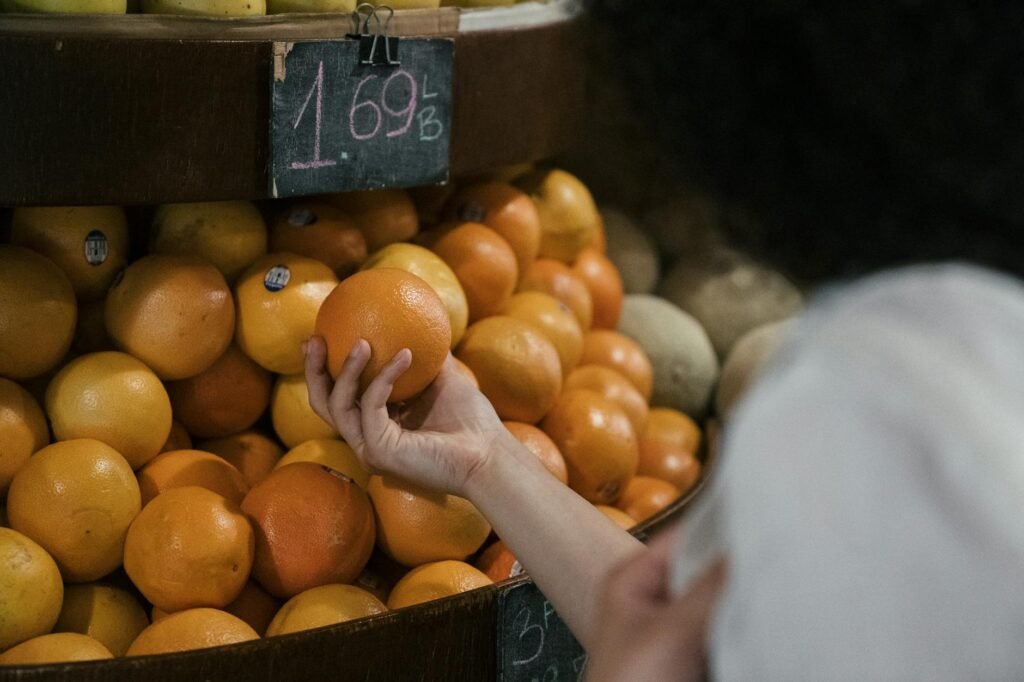
The best store-side test is still gentle pressure in the palm of your hand. For ready-to-eat fruit, it should feel firm but yield slightly. The California Avocado Commission says very firm fruit typically ripens in about 3 to 5 days at room temperature, while fruit that is just beginning to soften is often ready in 2 to 3 days. (californiaavocado.com)
| When you will eat it | What to buy | What to do at home | What can go wrong |
|---|---|---|---|
| Tonight | Firm-ripe fruit that yields slightly | Keep on the counter only if using soon; otherwise refrigerate | Rock-hard fruit will not catch up in time |
| Tomorrow or the next day | Slightly firm fruit with a little give | Check once a day on the counter | Very soft fruit may tip past ripe quickly |
| 3 to 5 days from now | Very firm fruit | Leave at room temperature; bag it with an apple or kiwi if needed faster | Do not put it in the fridge first |
| Weekend hosting | Buy a mix of stages | Refrigerate ripe fruit; keep firm fruit out | Buying all at one stage creates a same-day pileup |
The classic squeeze test works best when you use the palm of your hand rather than your fingertips. The fruit should feel firm but responsive, not mushy. Color is only a supporting clue. Hass usually darkens as it ripens, but some varieties stay light green even when ready to eat, and the California Avocado Commission also notes that size does not indicate quality or ripeness. (californiaavocado.com)
Variety: when Hass is right and when it is not
Most shoppers are really choosing between Hass and some kind of green-skin alternative, even if the sign only says avocados. The California Avocado Commission says Hass accounts for about 95 percent of the California crop, which helps explain why the dark, pebbly, rich-tasting Hass is the default supermarket avocado. It is the safest all-purpose choice for guacamole, toast, sandwiches, and any recipe where you want a dense, creamy mash. (californiaavocado.com)
Still, Hass is not automatically the best buy. Reed avocados are large, round, and typically appear in summer into early fall; they are a smart pick when you want a substantial, creamy fruit and can actually use the larger portion. Fuerte is smoother and green, with California production running late fall through spring. Florida green-skin avocados are bright green, usually larger, and UF/IFAS says they are lower in fat and calories than California types and hold up better when cut. That makes them especially practical for salads, grain bowls, tacos, and other dishes where you want clean cubes or slices instead of a lush mash. (californiaavocado.com)
- Choose Hass when the recipe depends on richness, spreadability, or reliable supermarket familiarity. (californiaavocado.com)
- Choose Reed when you find it in season and want one larger, creamy fruit instead of several small ones. (californiaavocado.com)
- Choose a Florida green-skin avocado when your priority is firm slices, a milder flavor, or a strong price on a big fruit. (gardeningsolutions.ifas.ufl.edu)

Price: how to compare singles, bags, and big green avocados
Price is where avocado shopping turns into a money problem. USDA’s fruit and vegetable price tools track avocados by pound and by edible cup equivalent, not just by unit count. That is the right mindset for shoppers too: compare the cost of usable avocado, not the sticker on one fruit or one bag. (ers.usda.gov)
A simple rule: usable cost equals total price divided by the number of avocados you will realistically eat before quality drops. A 5-count bag at $4.99 looks like a steal at about $1 each. If you only use four, the real cost is $1.25 each. If only three make it to the plate, it is $1.66 each and no longer cheaper than four loose avocados at $1.49. That is why the cheapest bag on the shelf is often not the best value for a one- or two-person household.
| Shopping situation | Usually best value | Why | Watch out for |
|---|---|---|---|
| One meal in 24 hours | Loose ripe Hass | You pay only for what you need | Oversoft fruit can collapse fast |
| Several meals over 4 to 5 days | A mix of loose ripe and loose firm | You spread out the ripening curve | Buying all one stage creates waste |
| Crowd meal this weekend | Bagged avocados only if the dates line up | Lower unit cost can work for high volume | If plans change, the waste risk jumps |
| Salads or tacos with neat slices | Large green-skin avocado if price per edible amount is strong | Firmer texture can be helpful | Flavor is milder and color may stay green |
| Farmers market during California season | Reed if price is fair and use is immediate | One large fruit can replace several small ones | Season is limited and size can be more than you need |
A realistic example: a couple wants avocado for taco night on Tuesday plus sandwiches on Thursday. The store has four loose ripe Hass at $1.49 each, a five-count bag of firm Hass at $4.99, and two large Florida avocados at $2.29 each. The loose fruit costs $5.96 and is easy to time. The bag is only cheaper if most of it gets eaten. The two Florida avocados cost $4.58, which is the best value only if the couple is happy with a firmer, milder avocado and can use both large fruits before quality slips.
One more budget note: USDA’s retail reports publish weekly advertised produce prices, so avocado deals can move a lot from week to week. If avocados are a staple in your house, compare weekly circulars rather than assuming the same store is always cheapest. (ams.usda.gov)
Storage plan that actually saves money
Storage is where most avocado waste happens. The refrigerator is a brake, not a starter. The California Avocado Commission advises leaving hard fruit at room temperature until it yields slightly, then moving ripe fruit to the fridge to buy more time. It also warns against refrigerating hard avocados first, because they may ripen poorly or not at all. (californiaavocado.com)
- Sort the fruit when you get home. Put ripe avocados in the refrigerator and firm ones on the counter where you will actually see them. (californiaavocado.com)
- To speed ripening, use a brown paper bag at room temperature. Adding an apple, banana, or kiwi can accelerate the process because those fruits give off ethylene. (californiaavocado.com)
- Before cutting, wash the avocado under running water and dry it. FDA says not to use soap or commercial produce wash, and it notes that washing matters even if you do not eat the skin because your knife passes through the surface. (fda.gov)
- For a cut avocado, add lemon juice, lime juice, or a little vinegar to the exposed surface, press wrap against the flesh or use an airtight container, and refrigerate promptly. (californiaavocado.com)
- For guacamole or cut avocado sitting out at a gathering, follow the 2-hour rule, or 1 hour if the temperature is above 90°F. (fsis.usda.gov)
Warning: Food safety matters more once the avocado is cut. Wash before slicing, skip soap, and do not let cut avocado or guacamole sit out for long. (fda.gov)
When the aisle is a mess: bad selection, bad timing, or too much ripening at once
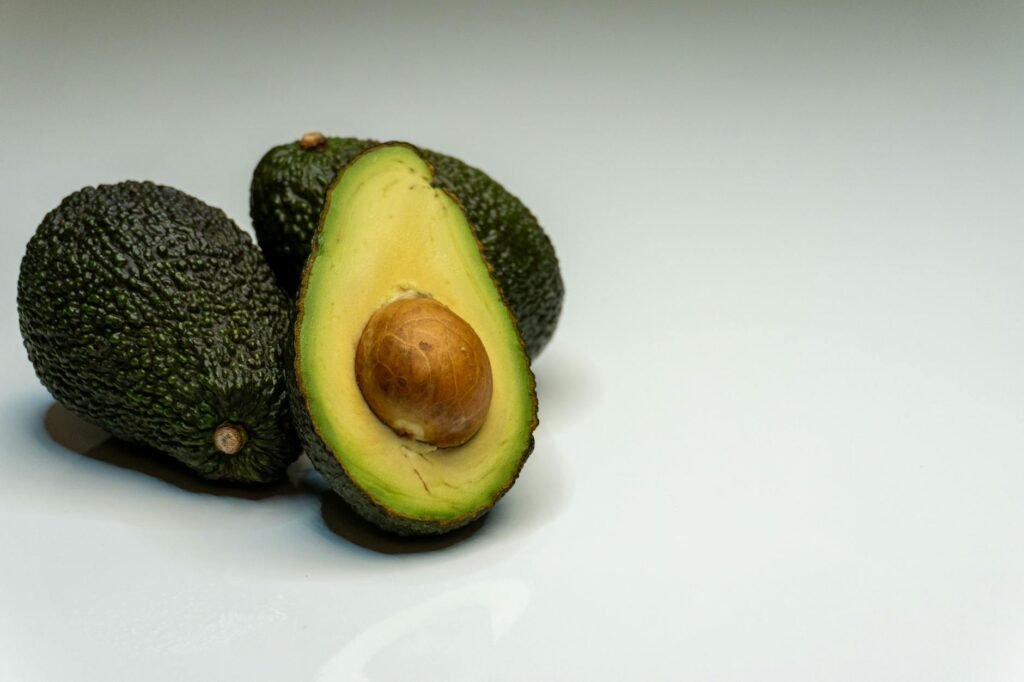
Sometimes the first plan is not enough. Maybe every avocado in the bin is rock hard on Friday afternoon. Maybe the bag ripens all at once. Maybe the only fruit left is oversoft or marked with dark blemishes. In those cases, the smartest move is not to force a bad purchase. The California Avocado Commission says to avoid dark blemishes and oversoft fruit, and FDA says to trim away bruised spots and throw away produce that looks rotten. (californiaavocado.com)
- Need avocado tonight but only hard fruit is available? Buy a refrigerated prepared option only if it has been kept cold, or change the menu. FDA says pre-cut produce should be refrigerated or on ice. (fda.gov)
- Bought a bag and everything turned soft at once? Move the ripe ones to the fridge immediately and use them in the next day’s meals first. (californiaavocado.com)
- Not sure whether a green avocado is ripe? Ignore color and use pressure. Some varieties remain green even when ready. (californiaavocado.com)
- Cut one open and smell a rancid note or see obvious rot? Stop calling it a bargain and discard it. The California Avocado Commission flags rancid odor as a sign of overripe fruit, and FDA says to throw away rotten produce. (californiaavocado.com)
Common mistakes that cost money
- Buying a full bag because the unit price looks low, without a plan to stagger ripeness.
- Judging ripeness by color alone. Hass darkens; many green-skin avocados do not. (californiaavocado.com)
- Assuming bigger means riper or better. Size does not indicate ripeness or quality. (californiaavocado.com)
- Poking with fingertips until you bruise the fruit. Use your palm instead. (californiaavocado.com)
- Refrigerating hard avocados and wondering why they never got good. (californiaavocado.com)
- Trying to microwave or oven-ripen them. That may soften the flesh without true ripening. (californiaavocado.com)
- Skipping the wash because you do not eat the peel. The knife still crosses the surface. (fda.gov)
How to pressure-test your own avocado routine
The easiest way to verify that this guide saves you money is to run a four-week avocado log. Prices and store handling vary, and USDA retail reports show produce ads change week to week. Track the retailer, loose versus bagged, variety, price paid, purchase firmness, days to ripen, and whether any fruit spoiled. After a month, your best store and best format will usually be obvious. (ams.usda.gov)
- Write down the store, the format, and the price.
- Mark each avocado as same day, 2 days, or 4 days when you bring it home.
- Note how many days each fruit actually took to become ready.
- Record any spoilage, overripeness, or fruit you forgot to use.
- Keep the method that gives you the lowest usable cost, not just the lowest shelf price.
Bottom line
Good avocado shopping is mostly about timing. Buy for the day you plan to eat it, not for the fantasy of who you think you will be later in the week. Use gentle pressure, remember that green does not always mean unripe, compare price by usable fruit, and refrigerate only when the avocado is already ripe. Do that consistently and avocados stop feeling random and start acting like a manageable grocery item. (californiaavocado.com)
FAQ
How can I tell if a green avocado is ripe?
Do not rely on color alone. Some avocados stay green even when ready. Use gentle pressure in the palm of your hand and look for fruit that yields slightly without feeling mushy. (californiaavocado.com)
Are bagged avocados actually cheaper than loose ones?
Sometimes per fruit, yes. But the real question is whether you will use them before quality drops. USDA tracks avocados by pound and edible amount, which is a good reminder to compare value by what you will actually eat. (ers.usda.gov)
Should I refrigerate avocados as soon as I get home?
Only the ripe ones. The California Avocado Commission says ripe fruit can go in the refrigerator to slow ripening, but hard avocados should stay at room temperature first. (californiaavocado.com)
What is the fastest safe way to ripen avocados?
Use a brown paper bag at room temperature, and add an apple, banana, or kiwi if you want to speed it up. Do not microwave them or try to oven-ripen them. (californiaavocado.com)
How should I store half an avocado?
For best quality, use it soon after cutting. If you need to save it, add lemon or lime juice or a little vinegar to the exposed side, wrap it tightly against the surface or use an airtight container, and refrigerate it promptly. Do not leave cut avocado out too long. (californiaavocado.com)
Are Florida avocados worse than Hass?
No. They are different. UF/IFAS says Florida green-skin avocados are lower in fat and calories than California types and hold up better when cut, so they can be a better buy for salads, tacos, and neat slices. Hass is usually the better choice when you want maximum creaminess. (gardeningsolutions.ifas.ufl.edu)
References
- FDA: Selecting and Serving Produce Safely – https://www.fda.gov/food/buy-store-serve-safe-food/selecting-and-serving-produce-safely
- USDA ERS: Fruit and Vegetable Prices – https://ers.usda.gov/data-products/fruit-and-vegetable-prices
- USDA AMS: Retail Reports – https://www.ams.usda.gov/index.php/market-news/retail
- California Avocado Commission: How to Choose a Ripe Avocado – https://californiaavocado.com/how-to/how-to-choose-and-use-an-avocado/
- California Avocado Commission: How to Ripen an Avocado – https://californiaavocado.com/how-to/how-to-ripen-an-avocado/
- California Avocado Commission: Avocado Varieties – https://californiaavocado.com/avocado101/avocado-varieties/
- UF/IFAS Gardening Solutions: Avocado – https://gardeningsolutions.ifas.ufl.edu/plants/edibles/vegetables/avocado/
- UF/IFAS EDIS: Avocado Growing in the Florida Home Landscape – https://edis.ifas.ufl.edu/publication/MG213
- USDA FSIS: Keep Food Safe! Food Safety Basics – https://www.fsis.usda.gov/food-safety/safe-food-handling-and-preparation/food-safety-basics/steps-keep-food-safe