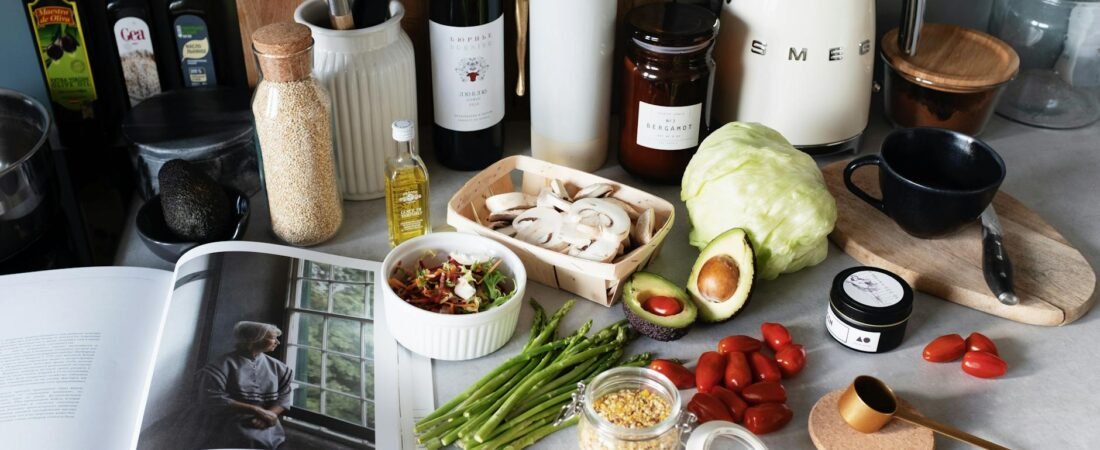
Most home cooks do not need an abstract winner. They need the right bottle for the way they actually cook. Both avocado oil and olive oil are liquid plant oils built mostly around unsaturated fat, but they solve different kitchen problems. Avocado oil is usually the quieter, higher-heat option. Olive oil, especially extra-virgin, is the more flavorful and better-studied everyday option. (Harvard)
Buying based solely on marketing language creates a costly error for consumers. The best way to match up oils with cookware, tableware, and then price per serving/tsp=. This is the filter that you really want in your own home kitchen in the USA.
Table of Contents
- A quick side-by-side
- Use the Pan-Plate-Price Test
- Smoke points and best cooking uses
- Flavor is where olive oil usually separates itself
- Nutrition: the gap is smaller than the marketing
- A realistic cost example for a U.S. kitchen
- When your first-choice oil still is not enough
- Common mistakes that waste money or flatten flavor
- How to verify the advice in your own kitchen
- Bottom line
- FAQ
- References
TL;DR
- Choose extra-virgin olive oil when you want the oil to add flavor: dressings, dips, finished vegetables, beans, fish, and many sautéed or roasted dishes. UC Davis says olive oil smoke points range from about 347°F to 464°F depending on grade, quality, and freshness, so olive oil is not a raw-only ingredient. (UC Davis)
- Choose avocado oil when you want less flavor and more heat headroom. Harvard notes avocado oil has a very high smoke point of almost 500°F and a more neutral flavor than olive oil. (Harvard)
- Nutrition is closer than marketing suggests. The bigger health move is replacing butter, shortening, or tropical oils with unsaturated plant oils. Olive oil has the stronger long-term human evidence base because so much Mediterranean-diet research centers on olive oil. (AHA)
- Do not pay for a giant bottle you will not finish. The AHA recommends smaller containers if you use oil infrequently, and UC Davis notes both olive and avocado oil lose quality over time. (AHA)
A quick side-by-side
| Cooking job | Best pick | Why it works | Best money move |
|---|---|---|---|
| Salad dressings, bread dipping, finishing soups or vegetables | Extra-virgin olive oil | Fresh EVOO brings fruitiness, bitterness, and pungency that can improve simple food. (UC Davis) | Spend for olive oil here, because you can taste what you paid for. |
| Most weeknight sautéing and roasting | Extra-virgin or regular olive oil | Olive oil can work well for cooking; smoke point varies by grade, quality, and freshness rather than one fixed number. (UC Davis) | If you cook mostly at moderate heat, olive oil can cover more jobs with one bottle. |
| High-heat searing, grill-pan cooking, very hot sheet pans | Avocado oil | Harvard notes avocado oil has a smoke point of almost 500°F and a more neutral flavor. (Harvard) | Use avocado oil as a specialist, not necessarily your default. |
| Neutral baking, marinades, or dishes where you do not want olive flavor | Avocado oil | Compared with olive oil, avocado oil is typically more neutral in flavor. (Harvard) | Only pay the premium if neutral flavor matters in that recipe. |
Use the Pan-Plate-Price Test
The easiest thing to do after reading this article will hopefully help you to determine what type of oil you will purchase. The three questions that you should ask yourself to determine how to score your preferred type of oil are, at what temperature do I cook my foods? Am I actually cooking with the oil I want to purchase? Is the premium of the oil that I would like to purchase reflected in the quality of the end product? If an oil scores a win on two out of three of the previous questions, that is probably the oil that you should use as your common default oil.
- Pan: If you mostly sauté, roast, and cook below screaming-skillet temperatures, olive oil stays firmly in the conversation. If you routinely sear hard or use very high heat, avocado oil gives you more headroom. (UC Davis)
- Plate: If you want grassy, fruity, peppery flavor, choose extra-virgin olive oil. If you want the oil to stay mostly invisible, avocado oil usually fits better. Fresh virgin avocado oil can taste grassy and buttery, but the category is generally milder than olive oil. (UC Davis)
- Price: Convert the bottle into tablespoons before you decide. A 16.9-fluid-ounce bottle contains about 33.8 tablespoons. That makes it easier to compare real cost per use, not just shelf price.
Rule of thumb: If olive oil wins both from Plate and from Price (Buy Olive Oil as Your Default!), quit thinking about this issue. If avocado oil is the winner of Pan and Plate (because you cook hot and don’t like the taste of olive oil), then the added expense may be worth it. If the two are close in score, first try one quality olive oil as your baseline and then only add avocado oil when you have proven through cooking that you require it.
Smoke points and best cooking uses
Smoke point matters, but not in the simplistic internet way. UC Davis says olive oil smoke points span roughly 347°F to 464°F depending on grade, quality, and freshness, and notes that good-quality extra-virgin olive oil has strong cooking properties because its antioxidants resist heat. Harvard places avocado oil at almost 500°F. Translation: most home sautéing and roasting can be done with olive oil, while avocado oil earns its keep when your pan runs genuinely hot or you want less flavor in the final dish. (UC Davis)
- Use extra-virgin olive oil for vinaigrettes, bread dipping, beans, eggs, roasted vegetables, and finished soups or fish when flavor is part of the point. (UC Davis)
- Use regular or light olive oil when you want olive oil’s general versatility with less pronounced flavor. Also remember that light olive oil is not lower in calories; the term refers to refining and lighter flavor or color. (UC Davis)
- Use avocado oil for seared chicken, salmon, shrimp, grilled vegetables, or other high-heat cooking where a neutral taste helps. (Harvard)
- If you buy virgin avocado oil, expect more character than the label may suggest. UC Davis describes fresh virgin avocado oil as grassy, buttery, and a little like mushrooms. (UC Davis)
The AHA does not recommend deep-fat frying as a healthy cooking method. If you are choosing an oil mainly for frying, it is worth questioning the method before arguing over the bottle. (AHA)
Flavor is where olive oil usually separates itself
If smoke point gets the headlines, flavor is what decides whether you enjoy dinner. UC Davis describes the positive attributes of extra-virgin olive oil as fruitiness, bitterness, and pungency. That can be excellent on tomatoes, leafy greens, white beans, grilled fish, or anything else with simple ingredients. Harvard notes avocado oil is often compared with olive oil because both are rich in oleic acid, but avocado oil is more neutral. UC Davis adds that fresh virgin avocado oil can taste grassy and buttery, while refined avocado oil is much paler and milder. (UC Davis)
That makes avocado oil the better background player and olive oil the better ingredient. If you want the oil to disappear into a marinade, quick bread, or a mayo-style dressing, neutral can be a virtue. If you want the oil to help build the dish, olive oil usually gives you more payoff per tablespoon. (Harvard)
Nutrition: the gap is smaller than the marketing
From a nutrition standpoint, this is not a battle between a good oil and a bad oil. Both fit the AHA’s broader advice to replace saturated and trans fats with monounsaturated and polyunsaturated fats, and the AHA recommends choosing oils with less than 4 grams of saturated fat per tablespoon. (AHA)
The bigger health edge goes to olive oil because the evidence base is deeper. The FDA says there is credible evidence for a qualified health claim that oleic acid in edible oils may reduce coronary heart disease risk. The AHA also notes that Mediterranean-style eating patterns rich in virgin olive oil are associated with cardiovascular benefits, and Harvard has highlighted cohort research linking regular olive oil intake with lower heart-disease risk, likely because it replaces less healthful fats. That does not prove avocado oil is unhealthy. It means olive oil has been studied more directly in human diets. (FDA)
Avocado oil’s advantage is usually convenience, not a dramatically better label. Extra-virgin olive oil also retains more phenolics and antioxidants than refined olive oils because it is minimally processed. And do not let the healthy halo fool you into free-pouring either bottle: UC Davis and Harvard both note that oils land around 120 calories per tablespoon. (UC Davis)
This article is general cooking information, not personal medical advice. If a clinician has given you a therapeutic diet for a digestive disorder, gallbladder disease, or a lipid condition, use that advice first.
A realistic cost example for a U.S. kitchen
Price is where the debate stops being theoretical. In Target listings viewed in May 2026, a 16.9-ounce Good & Gather avocado oil was listed at $10.99, while a 16.9-ounce Good & Gather extra-virgin olive oil listing was $7.79 regular price, with some other olive oil listings on sale for less. Using the 33.8-tablespoon bottle conversion, that works out to about $0.33 per tablespoon for the avocado oil versus about $0.23 per tablespoon for the $7.79 olive oil example. (Target)
For a household using 2 tablespoons a day, that comparison adds up to about $5.68 more per month for the avocado bottle. That is not catastrophic, but it is enough to matter if avocado oil becomes your automatic default instead of your high-heat specialist. (Target)
A practical setup for a couple who cooks five nights a week is often this: keep one medium bottle of extra-virgin olive oil for dressings, finishing, eggs, and most roasting, then add avocado oil only if you regularly sear in cast iron or grill at high heat. If you only use high heat once or twice a month, olive oil alone is usually the better everyday value. (UC Davis)
When your first-choice oil still is not enough
- You like olive oil but not on everything: keep a second, more neutral oil only if your recipes really need it. Olive oil grades differ in flavor and cooking behavior, so a milder regular olive oil may solve the problem before you buy a whole new category. (UC Davis)
- You like avocado oil but the price bothers you: reserve it for high-heat searing and use olive oil for lower-heat cooking and dressings, where flavor gives you more visible return. (Harvard)
- You worry about avocado oil purity: UC Davis reported in 2023 that in a study of 36 private-label avocado oils, 31% were pure and 36% were of advertised quality, and extremely low-priced oils were more likely to be adulterated. That does not condemn every bottle, but it is a reason to avoid suspicious bargains. (UC Davis)
- You found a huge bottle on sale: a low unit price is not a bargain if half the bottle oxidizes in a warm cabinet. The AHA and UC Davis both point toward buying a size you can finish in a reasonable window. (AHA)
Common mistakes that waste money or flatten flavor
- Assuming light olive oil has fewer calories. It does not. UC Davis says all oils have the same calories, about 120 per tablespoon; “light” refers to refining and lighter flavor or color. (UC Davis)
- Thinking extra-virgin olive oil is only for cold uses. UC Davis specifically says olive oil is excellent for cooking and that smoke point depends on grade, quality, and freshness. (UC Davis)
- Buying by bottle size instead of finish date. Bigger is not cheaper if you use oil slowly and it goes stale. (AHA)
- Keeping the bottle beside the stove. Heat, light, and air speed rancidity. (UC Davis)
- Using smoke point as the only health metric. What the oil replaces, how fresh it is, and whether you actually like the flavor matter too. (AHA)
How to verify the advice in your own kitchen
- Look for timing clues. For olive oil, UC Davis recommends a harvest date and the most recent harvest you can find. For avocado oil, UC Davis says the bottle closest to harvest or production time is usually the better bet, and the best-by date alone is not always reliable. (UC Davis)
- Buy a size you can finish and store it in a cool, dark cabinet, not next to the stove. The cheapest ounce is often the bottle you actually use while it is still fresh. (AHA)
- Smell before you cook. Fresh extra-virgin olive oil should suggest freshness and show fruitiness, bitterness, or pungency. Fresh virgin avocado oil should smell grassy and buttery. If it smells stale, waxy, or like play dough, it is likely rancid. (UC Davis)
- Watch the pan. If the oil starts smoking, stop using it. The AHA says not to use oil that has started smoking and not to reuse or reheat cooking oil. (AHA)
- Do a one-month pantry audit. If the bottle is still nearly full, size down next time even if the bigger bottle looked like the better deal. (AHA)
Bottom line
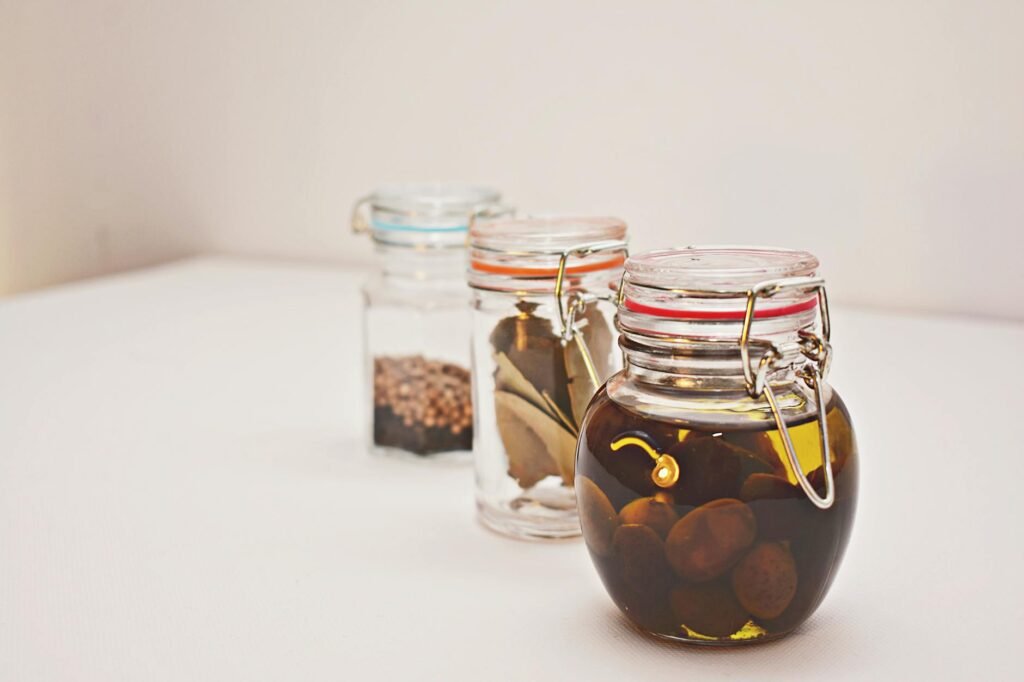
If you want one default bottle for most kitchens, buy a good extra-virgin olive oil. It is versatile, flavorful, and backed by stronger long-term nutrition research. Add avocado oil only if you routinely cook at very high heat or want a neutral oil that stays out of the way. In plain terms, olive oil is usually the better everyday value, while avocado oil is the better specialist. (UC Davis)
FAQ
Is avocado oil healthier than olive oil?
Usually not in a way that should dominate your shopping decision. Both are unsaturated plant oils, but olive oil has the stronger long-term human evidence base because Mediterranean-diet research uses olive oil heavily, and extra-virgin olive oil retains more phenolics than refined olive oils. Avocado oil is best viewed as a neutral, high-heat alternative, not an automatic nutrition upgrade. (AHA)
Can I roast vegetables with extra-virgin olive oil?
Yes, in most home kitchens. UC Davis says olive oil smoke points range from about 347°F to 464°F depending on grade, quality, and freshness, and says olive oil is excellent for cooking. For ordinary roasting and sautéing, extra-virgin olive oil is very much in play. (UC Davis)
Is light olive oil lower in calories than extra-virgin olive oil?
No. UC Davis says all oils have about 120 calories per tablespoon. Light olive oil refers to a more refined product with lighter flavor and color, not fewer calories. (UC Davis)
Do I need both oils in my kitchen?
Not necessarily. If you mostly sauté, roast, and make dressings, olive oil can cover a lot of ground on its own. Add avocado oil if you often cook at very high heat or dislike olive flavor in certain recipes. For many households, the two-bottle setup is helpful but not mandatory. (UC Davis)
How can I tell if my oil has gone bad?
Use your nose and your taste buds. UC Davis says fresh extra-virgin olive oil should smell and taste fresh, while rancid avocado oil can smell stale, like play dough. Keep bottles away from heat and light, and buy sizes you can finish before oxidation catches up. (UC Davis)
What if avocado oil is cheaper where I shop?
Then avocado oil may be the better buy for neutral, high-heat use. But still ask whether you want flavor from the oil and whether you will finish the bottle while it is fresh. The best value is not just the lowest shelf price; it is the bottle that fits your cooking habits and does not go rancid in the pantry. (Harvard)
References
- UC Davis Olive Oil Myths and Facts – https://ucfoodquality.ucdavis.edu/olive-oil/olive-oil-myths-and-facts
- UC Davis: How to Choose the Best Olive Oil – https://aggiehero.ucdavis.edu/magazine/how-to-choose-the-best-olive-oil
- Harvard T.H. Chan School of Public Health: Avocados – https://nutritionsource.hsph.harvard.edu/avocados/
- American Heart Association: Healthy Cooking Oils – https://www.heart.org/en/healthy-living/healthy-eating/eat-smart/fats/healthy-cooking-oils/
- American Heart Association: Fats in Foods – https://www.heart.org/en/healthy-living/healthy-eating/eat-smart/fats/monounsaturated-fats
- FDA: Oleic Acid and Coronary Heart Disease Qualified Health Claim – https://www.fda.gov/food/hfp-constituent-updates/fda-completes-review-qualified-health-claim-petition-oleic-acid-and-risk-coronary-heart-disease
- American Heart Association: Mediterranean Diet – https://www.heart.org/en/healthy-living/healthy-eating/eat-smart/nutrition-basics/mediterranean-diet
- Harvard Health: Just a Half-Tablespoon of Olive Oil a Day May Help the Heart – https://www.health.harvard.edu/heart-health/just-a-half-tablespoon-of-olive-oil-a-day-may-help-the-heart
- UC Davis: How to Choose Avocado Oil – https://aggiehero.ucdavis.edu/magazine/how-to-choose-avocado-oil
- UC Davis: Nearly 70% of Private Label Avocado Oil Rancid or Mixed With Other Oils – https://www.ucdavis.edu/food/news/70%25-private-label-avocado-oil-rancid-or-mixed-other-oils
- Target avocado oil listing – https://www.target.com/p/-/A-89461892
- Target olive oil category listing – https://www.target.com/c/olive-oil-cooking-pantry-grocery/-/N-ty5yx