Avocados can feel both high-priced and “wasteful” at once. If you purchase avocados that are too firm to eat, your plans to eat dinner may be ruined. If you purchase avocados that are too mature, they could be brown, rotten, bruised, etc. by the next day when you remember that you had apples and yogurt instead! The most avocado waste does not come from the incredible difficulty of managing avocados; it comes from three separate jobs taking place simultaneously. Instead of trying to manage all three at once (ripening, storing, controlling browning), if we separate the three jobs, it will be easier to deal with avocados.
TL;DR
- Color is only a clue, not a full ripeness test. The better test is gentle pressure in the palm of your hand.
- Hard avocados belong on the counter. Ripe avocados can go in the fridge to slow further softening.
- A paper bag with another fruit can help avocados ripen. A microwave or oven may soften them, but will not create good avocado texture or flavor.
- The pit does not magically protect a cut avocado. Limiting oxygen does.
- Some browning is mostly a quality issue, not automatic spoilage. A sour smell, mold, or obviously off texture is different.
- The real money-saver is matching firmness to your meal plan so you are not buying six avocados for the same ripeness window.
Why avocado myths become a grocery-budget problem
This is not just a kitchen nuisance. The EPA says the average family of four spends almost $3,000 a year on food that does not get eaten, and the FDA specifically warns that impulse and bulk produce purchases can increase waste when shelf life is short. Avocados are a perfect example. A shopper buys a bag because the unit price looks good, every fruit reaches peak softness in the same narrow window, and two or three get tossed. That is not really an avocado problem. It is a timing problem disguised as a produce problem.
Use the PALM Storage Rule
- P – Plan the day you will use each avocado before you buy it.
- A – Assess firmness with a gentle palm squeeze, not fingertip pokes that can bruise the fruit.
- L – Locate it correctly: hard on the counter, ripe in the fridge, cut fruit in an airtight setup with acid and cold storage.
- M – Match quantity to your meal window, not the sale sign or bag size.
PALM is the most important thing in this article; it eliminates three common mistakes: purchasing fruit solely based on color, putting certain fruit into the refrigerator before they should be; and expecting all avocados at home to be ripe at once.
Myth: Skin color tells you everything
While color can aid in determining ripeness, it alone cannot provide complete assurance. Ripening Hass avocadoes will darken in color as they get ready to eat; however, there are many other such varieties of avocado that will remain green when they are also ready for consumption. A better method is to assess the firmness of the avocado by enveloping it in your palm. The avocado should yield slightly when you apply gentle pressure with your fingertips and not feel hollow, mushy, or patchy. A lot of the time, patchy areas of softness may indicate that the avocado is bruised, and one reason why it is not advisable to squeeze the fruit with your fingertips while shopping for avocados is due to this. When consumers continue to subscribe to this myth, they make two costly errors: 1) they do not purchase ripe, green-skinned avocadoes that could have been eaten today; and 2) they would have purchased dark Hass avocadoes (3 days ahead) even if the avocados might have gone too far in advance from ripening.
When you’re trying to find an avocado that’s the right texture for a specific meal, it’s better to just pick a few different ones and use them over time. So if you’re going to use an avocado on Thursday for tacos, one for your lunch on Saturday, and another for your brunch on Sunday, you should be looking at a combination of the following: 1 ripe avocado, 2 almost ripe avocados, and 1 hard avocado. These types of avocados are more practical than looking for four avocados exactly the same texture from the same display.
Myth: The refrigerator is always the safer move
Cold storage is beneficial; but only when used at the appropriate time to help ripen hard or firm avocados; because keeping them at room temperature will ripen them, whereas putting them in the refrigerator before they will slow down their ripening and possibly turn out some very stubborn, uneven and/or disappointing fruit when they do finally ripen; however, once avocados have ripened you are able to use the refrigerator to extend their life and that is the right time to do so because they have finished ripening and now all the fridge will do is slow the avocado down…in other words, the refrigerator is used to pause an avocado’s lifecycle but not to contribute to that lifecycle through the ripening process.
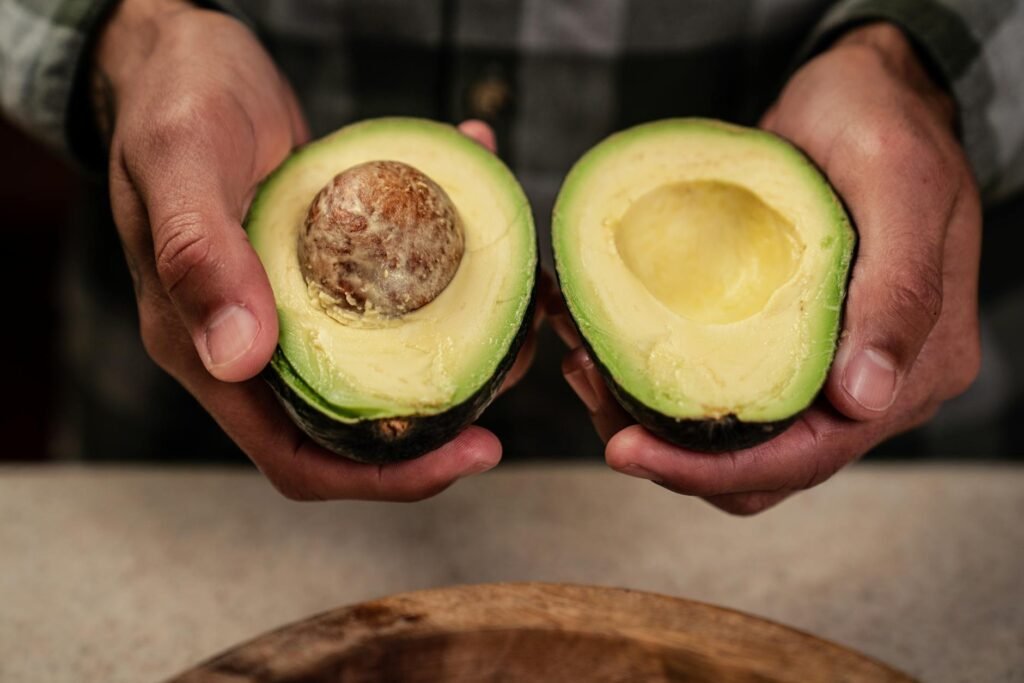
Once an avocado has been cut, its once “ripe” state has changed to an unprotected “fleshy” state. This change exposes the fruit to the possibility of both oxidation, and to improper handling (food safety) practice. You should wash fresh produce before you cut it (even if you do not eat the peel) because dirt and/or bacteria on the surface will transfer from your knife into the exposed flesh. Avocado peels may also harbor foodborne pathogens and so it is a good idea to wash and dry the peel before cutting through it. Once you have cut the avocado, keep the fleshy portion cold, limit the air exposure to the fleshy part and do not allow a bowl of mashed avocado/guacamole to sit outside at room temperature just because the majority of the surface area still looks green.
Myth: A paper bag, a microwave, and an oven solve the same problem
A paper bag with an apple, banana or kiwi will help because those types of fruit produce ethylene (the natural plant hormone that accelerates ripening). This is actual ripening; while it may take a period of time, a hard avocado will ripen faster. Using a microwave or oven will cause the avocado to be soft enough for you to think you have a ripe avocado for a period of time, but it does not produce the desired creamy texture and developed flavor of a ripened avocado. You will generally get an unripe avocado that has simply been warmed/softened.
Poor quality ripening advice has consequences; people will buy an avocado too early or late. If your meal is scheduled for tonight, do you want to find only hard, unripe avocados at the grocery store? In this case, the most affordable way to stay flexible in your menu could be through alternative ingredients instead of trying to artificially accelerate the ripening process. Instead, try to use beans, hummus, different garnishes or even purchased guacamole for your dish while saving the unripe avocados to be used at a later date. Creating unripe avocado from an unripe avocado is the best way to ruin the texture.
A practical avocado timing table
| Situation | What to buy or do | Where it goes | What to expect | Waste risk if you get it wrong |
|---|---|---|---|---|
| Using it today | Buy fruit that yields slightly to gentle pressure | Counter only until meal time, then use | Best texture and flavor now | Buying hard fruit leads to panic hacks |
| Using it in 1 to 2 days | Buy nearly ripe fruit | Counter, check daily | Should soften naturally | Refrigerating too early can stall ripening |
| Using it in 3 to 5 days | Buy hard fruit | Counter, away from direct sun | Better chance of hitting the right window | Buying ripe fruit now often means mush later |
| Plans changed and the fruit is already ripe | Move ripe fruit to the fridge | Refrigerator | A few extra days of usable life | Leaving it on the counter may push it past peak |
| You cut it and only used half | Add lemon or lime juice, press wrap to surface or seal airtight | Refrigerator | Less browning, better texture | Leaving it exposed dries and browns the flesh fast |
Myth: Leaving the pit in keeps the leftover half fresh
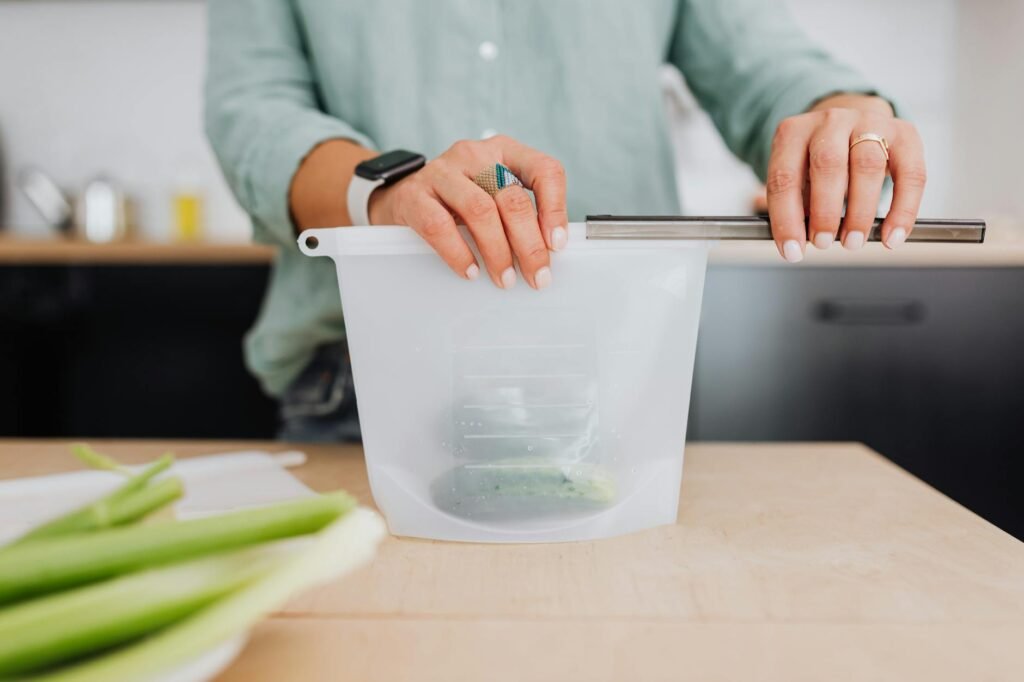
While the pit will not preserve any of your food, the only surface it creates a barrier to is the small patch of the exposed flesh directly beneath it – all of the exposed cut area will continue to be oxidised due to oxygen. To ensure that your leftover half will look and taste better tomorrow, put emphasis on the exposed area of the flesh (the area not touching the pit). To do this, sprinkle some lemon or lime juice onto the exposed area of the flesh as well. Additionally, making sure that there is direct contact between the food and any wrap used will also help; If your food is in a airtight wrap or container, be sure to press the wrap against the food (the exposed area that was not covered) for better results. For guacamole, be sure to put the wrap directly onto the top of the guacamole as opposed to loosely covering the bowl with the wrap, like you would if you were covering the top of a large tent with a small piece of tarp.
People also confuse the appearance of an item with its total loss. If you wake up and find your stored avocado or guacamole has a thin layer of oxidized brown on top of it, it doesn’t mean that your entire product has gone bad; rather, it simply means that you have a thin crust of oxidized material that is just the surface of your avocado, which is still fine underneath if you scrape off the crust.
However, scraping the crust off is not a good long-term storage solution and can only be considered a temporary fix for your avocado’s quality. Once the avocado has been cut, its life is limited.
Myth: Brown means bad
Sometimes. Surface browning occurs when the avocado is exposed to air and is caused primarily by oxidation. This is unaesthetic, but it doesn’t have the same characteristic as spoiled fruit. If you find small amounts of surface discoloration on your avocado but the rest of the avocado does not exhibit any unusual characteristics and smells fresh, you can usually just cut around the discoloration or scrape it off. You should not eat an avocado if you can smell sour or rancid aromas, if the flesh has large amounts of visible mold or is discolored to a greater degree than normal. You also should not eat an avocado that has large amounts of gray or stringy flesh, has an extreme amount of water, and/or looks bad overall. The big waste issue in this case is that some people don’t eat otherwise salvageable avocados because of the way they look and other people will eat bad avocados because they are too expensive to waste. A good way to save money when shopping is to apply common sense and judgment. This does not include saying that spoiled food is still good to eat.
What this costs in a real kitchen
Consider a household that buys a five-count bag of avocados for $6.95 and adds one extra single avocado for $1.29, for a weekly total of $8.24. They refrigerate all six right away because they think cold equals freshness, then judge readiness mostly by skin color. Two stay annoyingly firm inside, one gets forgotten on the counter after being cut, and another turns bruised before weekend brunch. If three avocados out of six get wasted, that is roughly $4.11 gone in one week. Repeat that for 40 shopping weeks and the annual loss is about $164.40. With a mixed-ripeness purchase and the PALM rule, even saving just two avocados per week at roughly $1.37 each puts about $110 back in the yearly grocery budget. That is not dramatic, but it is real money from a very fixable habit.
A 7-minute avocado reset for the week
- Group the avocados you already have by firmness: hard, nearly ripe, and ripe.
- Match each avocado to a meal date. Do not leave six fruits competing for the same night.
- Keep hard avocados on the counter. If you want faster ripening, place them in a paper bag with an apple, banana, or kiwi.
- Move ripe avocados to the fridge as soon as plans shift or you know you will not use them today.
- Before cutting, rinse and dry the avocado and use a clean knife and board. Do not wash produce with soap.
- For leftovers, add citrus, press wrap onto the surface or seal tightly, refrigerate, and use soon.
When the first plan still is not enough
- Sometimes the problem is not your storage. A bad store batch can be stringy, bruised inside, rubbery, or poor quality from the start.
- If several ripe avocados hit at once, mash them with a little lemon or lime juice and freeze small portions. Frozen avocado works best in guacamole, spreads, sauces, and smoothies, not in neat slices.
- If you need avocado tonight and only hard fruit is available, change the menu rather than microwaving the fruit and hoping for a miracle.
- If cut avocado or guacamole has been sitting out for more than two hours, thrift should stop and food safety should take over.
- If avocados are repeatedly inedible right after you open them, keep the receipt and consider returning them or letting the store know.
Common mistakes that create mush, bruises, or waste
- Buying all your avocados at the same ripeness level when you do not plan to use them on the same day.
- Poking avocados with fingertips instead of checking firmness gently in your palm.
- Putting hard avocados straight into the fridge and then wondering why they never got properly creamy.
- Trusting the pit to save leftovers while leaving most of the cut surface exposed to air.
- Treating microwave-softened avocado as if it were naturally ripened avocado.
- Throwing away every browned avocado half without checking whether the discoloration is only a thin surface layer.
Food safety and appearance are not the same thing. A brown surface can still be edible. A sour smell, mold, sliminess, or too much time at room temperature is a discard signal.
How to pressure-test the advice in your own kitchen
- For the next two weeks, write down how many avocados you buy, what they cost, and whether each one was hard, nearly ripe, or ripe.
- Note where each avocado went after shopping: counter, paper bag, fridge, or freezer.
- Each day, mark the result: used at peak, still too hard, overripe, browned but salvageable, or tossed.
- Add up the dollar value of wasted fruit at the end of the test. Small losses are easier to fix when you actually total them.
- Adjust only one variable on the next trip, usually quantity or the ripeness mix. If you still are not sure about storage time for a cut item, check the FoodKeeper guide instead of guessing.
Bottom line
The best avocado habit isn’t a cute hack. It’s matching ripeness to your calendar and using the refrigerator at the right moment. Hard fruit ripens on the counter. Ripe fruit goes in the fridge if you want it to last longer. Cut fruit needs acid, tight coverage, and fast use. Most of the pricey myths do the opposite, which is why they deliver bad texture, bad storage, and wasted food.
FAQ
Should I refrigerate avocados as soon as I get home?
Avocado ripeness should be considered before placing the avocados into the refrigerator. Hard avocados perform best at ambient temperatures for ripening. Avocado should not be stored in the refrigerator until after they have reached desired ripeness so that the ripening process is slowed by placing them in the refrigerator.
What is the fastest real way to ripen an avocado for tomorrow?
To quickly ripen avocados that are very firm, you can place them in a paper bag at room temperature with a ripe banana, apple, or kiwi. The ethylene from the fruit will help to concentrate the ethylene around the hard avocado and speed up the normal ripening process of the avocado. However, if you are buying avocados that are too firm for your needs, then this method may not work as well for you because it may not provide enough time for them to ripen before they spoil.
Does leaving the pit in a cut avocado half actually help?
The protection given to the exposed flesh extends only to the area of the hole, and there is no protection beyond the area of the hole. To help reduce browning of the exposed surface, citrus can be used and air can be sealed out of the surface by use of saran wrap pressed down onto the exposed surface or a tightly sealed container in the refrigerator.
Can I eat a browned avocado half the next day?
In most cases, if there is only a small amount of brown on the surface and the avocado smells good, you can remove some of the brown and the bad texture will not go very deep into the fruit. If the avocado has a sour smell, a moldy appearance, or an off taste, throw it away.
Can you freeze avocados without ruining them?
You can, but freezing is better for mashed avocado than for pretty slices. Freeze mashed avocado with a little lemon or lime juice for later use in guacamole, spreads, sauces, or smoothies.
Why do some avocados seem bad even when I store them correctly?
At times, the fruit was bad quality when it was marketed. It is possible that the supply chain or handling may result in such defects as internal bruising, stringiness, uneven ripening or rubbery texture in avocados prior to reaching your home. While good storage practices may help improve the quality of your avocados, it cannot fix every one.
References
- US EPA – Preventing Wasted Food At Home
- FDA – Selecting and Serving Produce Safely
- FDA – Microbiological Surveillance Sampling: Whole Fresh Avocados
- FDA – Are You Storing Food Safely?
- FDA – How to Cut Food Waste and Maintain Food Safety
- FoodSafety.gov – FoodKeeper App
- California Avocado Commission – How to Choose a Ripe Avocado
- California Avocado Commission – How to Ripen an Avocado
- California Avocado Commission – Preventing a Cut Avocado from Oxidizing
- California Avocado Commission – The Best Way to Store California Avocados
- California Avocado Commission – Can You Freeze Avocados?