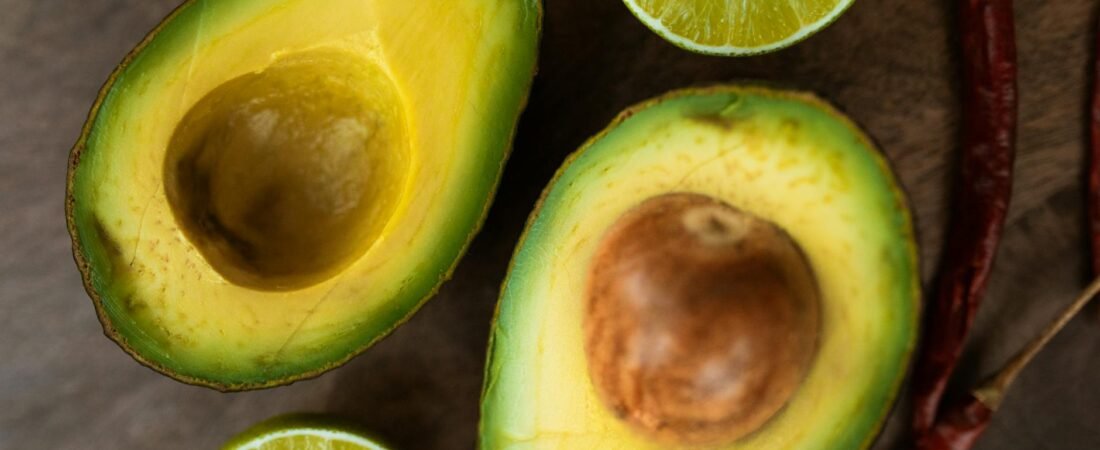
Most avocado desserts fail for a simple reason: the recipe uses avocado like a stunt ingredient instead of a texture ingredient. Avocado is good at adding body, smoothness, and quiet richness to a dessert that is supposed to be cold, dense, and spoonable. It is not good at creating lift, flake, crisp edges, or a clean buttery crumb. Timing matters too. The California Avocado Commission advises using gentle pressure to judge ripeness, and once avocados are ripe, refrigeration helps slow the clock. That short window is the first clue that avocado belongs in a fairly narrow set of desserts, not all of them. (californiaavocado.com)
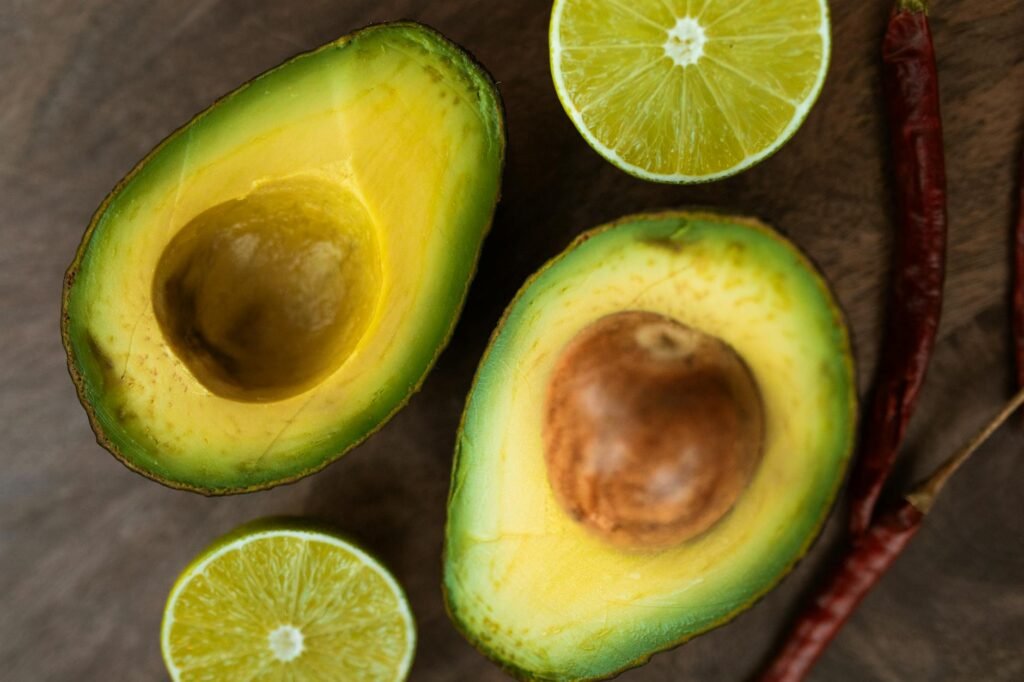
- Avocado works best in desserts that are cold, smooth, and rich enough to welcome extra body, especially mousse, pudding, pie cups, freezer bars, and pops.
- The right question is not whether avocado can be made sweet. It can. The better question is whether the dessert wants avocado’s texture.
- Strong lead flavors such as chocolate, espresso, lime, banana, tahini, and peanut butter make avocado taste intentional instead of merely unusual.
- Use avocado only when ripeness and serving time line up. Once ripe, refrigeration slows further softening, but you still have a short working window. (californiaavocado.com)
- If you have extra ripe fruit, freeze purée with lemon juice instead of trying to save whole or sliced avocado for later. (nchfp.uga.edu)
Why avocado can be excellent in dessert
Avocado works in dessert for the same reason it works in savory purées: it brings fat, moisture, and a naturally creamy finish. UC Davis notes that avocado dry matter is closely correlated with oil content, and the California Avocado Commission highlights avocado’s monounsaturated fat profile. From a dessert standpoint, that is a useful structural clue. A ripe avocado purée can mimic some of the mouthfeel people usually chase with cream, egg yolks, nut butter, or cream cheese, especially in chilled desserts where silky density is an advantage. That is why chocolate mousse, pudding, dense pie filling, and frozen bars make more sense than sponge cake or shortbread. This is an editorial inference drawn from avocado composition and handling, not a promise that any sweet recipe will work. (postharvest.ucdavis.edu)
Variety matters more than many dessert recipes admit. UC Davis notes that Florida-grown avocado cultivars have lower oil content than California cultivars. In practical kitchen terms, that usually means green-skin, lower-oil avocados give a lighter, looser result and often need help from chocolate, dairy, or another thickener. Hass-style avocados tend to be the easier starting point if your goal is a dense, satin-like texture. (postharvest.ucdavis.edu)
Use the SATIN score before you commit
Check your dessert using the SATIN score prior to blending an entire batch of the dessert. This is the rapidly filtering system used to find out if avocado will have a purpose in your dessert. The SATIN score includes the following categories; 1) Spoonable goal; 2) Assertive flavor; 3) Served at a Cold Temperature; 4) Independent structure; and 5) Served in the Near Term. Score each section between 0 (not at all ready for a dessert) and 2 (perfectly ready for a dessert). A dessert that scores between 8 and 10 will be a great avocado dessert usually; a dessert scoring between 5 and 7 can be used as a dessert after you make adjustments; however, a dessert that scores between 0 and 4 is typically going to waste good avocados and likely other ingredients as well.
| Test | 2 points | 1 point | 0 points |
|---|---|---|---|
| Spoonable goal | Pudding, mousse, pie filling, frozen pop | Fudgy bar or dense custard | Cake, cookie, tart shell, pastry |
| Assertive flavor | Chocolate, coffee, lime, banana, peanut butter | Warm spice or deeper vanilla | Delicate almond, plain dairy, subtle fruit |
| Temperature | Served chilled or frozen | Chilled then briefly room temp | Warm, dry, or crisp service |
| Independent structure | Little reliance on butter creaming or whipped eggs | Partial reliance on classic structure | Lift, snap, flake, or crispness are essential |
| Near-term serving | Serve same day or freeze | Serve within 48 hours | Needs long room-temp hold or several days of display |
The score on avocado’s lane is pretty clear. Avocado can look good, but if your dessert will have to use a spoon and finish cold, avocado gets to be a part of an elegant dessert. However, if your dessert requires air, crunch, or a buttery taste, avocado is a compromise.
Which avocado desserts are actually worth making
| Dessert format | Typical SATIN score | Why it works or fails | Illustrative cost for 8 | Best use case |
|---|---|---|---|---|
| Chocolate mousse or pudding cups | 9 | Avocado adds body and disappears under cocoa and dark chocolate | $9 to $13 | Best first attempt |
| Lime pie cups or tart filling | 8 | Acid brightens flavor and chilled filling welcomes creaminess | $10 to $14 | Very ripe avocados, warm weather |
| Frozen fudge pops | 8 | Freezing softens avocado flavor and rewards dense texture | $8 to $12 | Make-ahead dessert |
| Dense truffles or freezer bars | 7 | Works when chocolate or nut butter provides backup structure | $10 to $15 | Small batch, rich finish |
| Brownies or blondies | 5 | Possible in fudgy versions, weak in cakier versions | $12 to $16 | Only if the recipe is already dense |
| Cheesecake | 4 | Can add creaminess but does not replace tang or structure cleanly | $14 to $20 | Blend-in, not full substitute |
| Cookies, shortbread, or flaky pastry | 1 | Avocado brings moisture, not snap or flake | $10 to $15 | Skip it |
Illustrative amounts of avocado’s costs are provided for illustrative purposes; they are not meant to indicate that avocados are always a low-cost ingredient for desserts. Avocado earns its cost savings when you can substitute them for a different type of ingredient that has texture or uses the avocado to prevent wasting overripe avocado fruit.
A realistic kitchen example with numbers
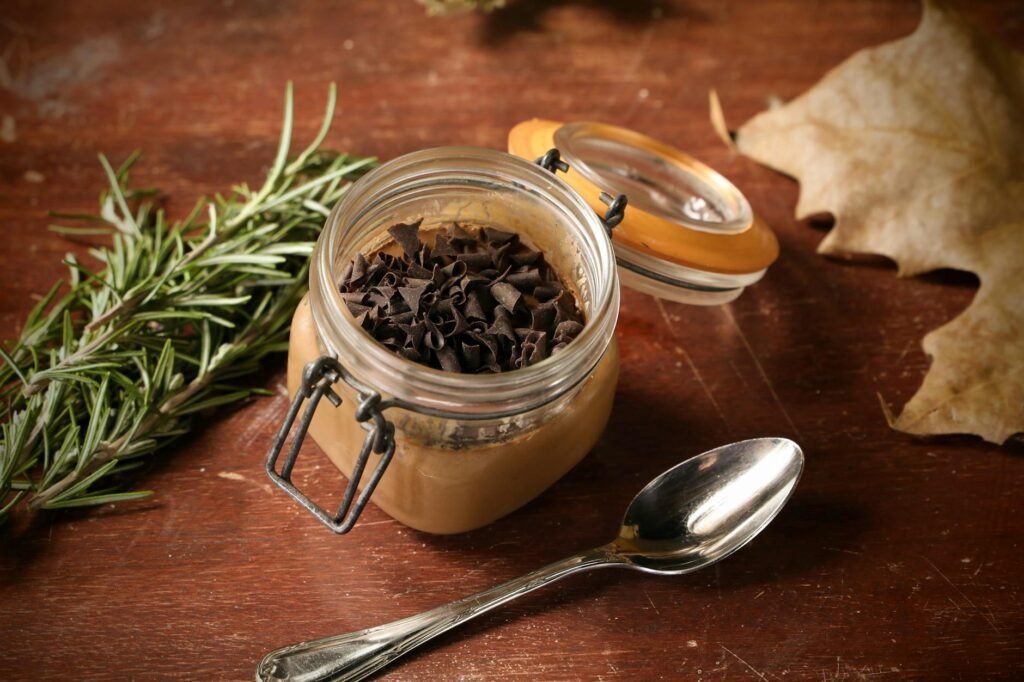
Say you have three ripe avocados on a Thursday and need dessert for six on Friday night. A smart avocado dessert is chocolate pudding or mousse cups, not brownies. A sample batch might use 3 avocados at $1.50 each, 6 ounces of dark chocolate for $3.60, cocoa for $0.80, sugar or maple for $0.70, vanilla and salt for $0.20, and whipped cream or coconut milk for $2.90. That is about $12.70 total, or $2.12 per serving.
The numbers work because the avocados are already in the house and already ripe. If you are buying premium avocados specifically for dessert at $2.49 each, the same batch rises to about $15.67. At that point, a standard chocolate pudding may be cheaper, easier, and more stable. That is the right personal-finance lens for this topic: avocado dessert makes sense when it uses a texture advantage or helps avoid waste, not when it is just a novelty purchase.
Build an avocado dessert the low-risk way
- Start with truly ripe fruit. The best avocados for dessert yield to gentle pressure. Once they are ripe, move them to the refrigerator until you are ready to blend. (californiaavocado.com)
- Choose a cold destination. Begin with mousse, pudding, pie filling, semifreddo-style cups, frozen bars, or pops. Skip layer cake, sugar cookies, and tart shells.
- Give avocado a louder partner. Chocolate, espresso, lime, orange, banana, tahini, and peanut butter all do more to shape the dessert than plain vanilla does.
- Use acid and salt early. A little citrus and a small pinch of salt make sweet avocado taste brighter and less flat.
- Blend until completely smooth before adding fragile ingredients. One small avocado lump makes the whole dessert feel unfinished.
- Plan leftovers before serving. If you have extra purée, freeze it with lemon juice instead of saving cut slices. The National Center for Home Food Preservation says avocado is best frozen as purée, not whole or sliced. (nchfp.uga.edu)
Common mistakes that make avocado dessert fall flat
- Using under-ripe avocados and hoping the blender will solve graininess.
- Trying to replace butter in recipes that depend on crispness, lift, or a clean crumb.
- Pairing avocado with only mild vanilla and sugar, then wondering why the flavor feels unfinished.
- Adding too much liquid sweetener and quietly turning the dessert loose and glossy instead of rich.
- Judging the dessert before it is chilled. Many avocado desserts settle and taste more coherent once cold.
- Making it too far ahead without protecting the surface. Browning is natural oxidation from exposure to air, and citrus plus tight wrapping or airtight storage can help reduce it. (californiaavocado.com)
- Assuming avocado can fully replace cream cheese when tang is the point of the dessert.
Where the avocado plan breaks down
Some desserts simply ask avocado to do the wrong job. It does not create flake. It does not create crisp edges. It does not provide the distinct tang of cream cheese or the lift of whipped eggs. It can also read as dull in desserts built around subtle dairy notes. If your avocados are lower-oil, the weakness becomes even more obvious. UC Davis notes that Florida-grown cultivars have lower oil content than California cultivars, so a looser finish is a predictable risk unless another ingredient brings structure. (postharvest.ucdavis.edu)
- If the mixture is smooth but too loose, add melted chocolate, mascarpone, cream cheese, nut butter, or another thick base instead of more avocado.
- If flavor is flat, add acid, salt, espresso, or toasted nuts before adding more sugar.
- If the avocado note is too obvious, move the batch into a colder format such as pops or freezer bars.
- If you simply have too many ripe avocados, freeze mashed avocado with lemon juice for later rather than forcing a dessert you do not really want to make. (nchfp.uga.edu)
Avocado is a short-clock ingredient. Ripe whole fruit can hold for a limited time in the refrigerator, and cut fruit browns from oxidation unless you limit air exposure and use citrus. That is another reason cold, same-day desserts are usually the safest fit. (californiaavocado.com)
How to pressure-test the recipe before serving it
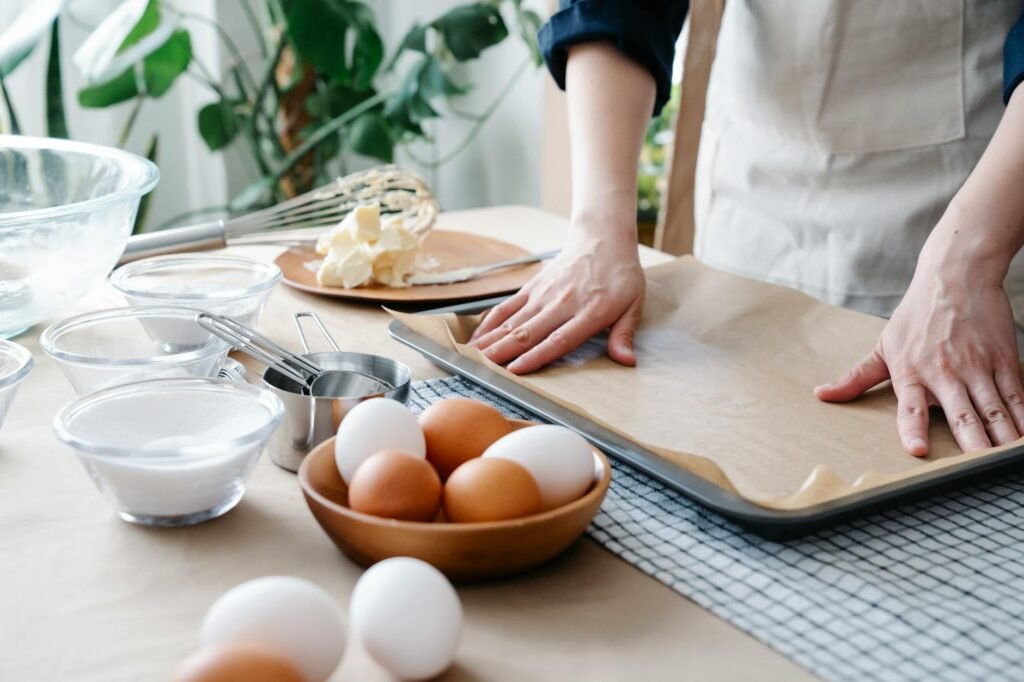
- Make a quarter batch first, or blend 2 tablespoons of avocado into 1/4 cup of the dessert base.
- Chill the sample for 15 minutes before tasting. Warm avocado almost always tastes louder than cold avocado.
- Run the spoon-line test. Drag a spoon through the sample. If the line closes instantly, the base needs more body.
- Run the aftertaste test. Wait 10 seconds after swallowing. If avocado is the last flavor standing, add acid or a darker flavor note before adding more sweetener.
- Run the next-day test. Refrigerate one small portion overnight. If it separates, browns badly, or tastes flatter, choose a freezer format or plan to serve the dessert the same day.
Bottom line
When using the technical aspect of an avocado as the primary ingredient, you have a delicious dessert. For example, the ideal food uses the avocado for creating silkiness, body, and creamy density when served cold or as dessert. In order to be successful, however, a recipe that uses avocados to resemble butter/cream cheese and as structure without sufficient backup will result in a weak dessert. To find the strength of an avocado in a dessert, I would recommend using the SATIN score and making a small test batch of the dessert while keeping the avocado in ways that texturally make the avocado feel intelligent vs. gimmicky.
FAQ
What is the easiest avocado dessert for a first try?
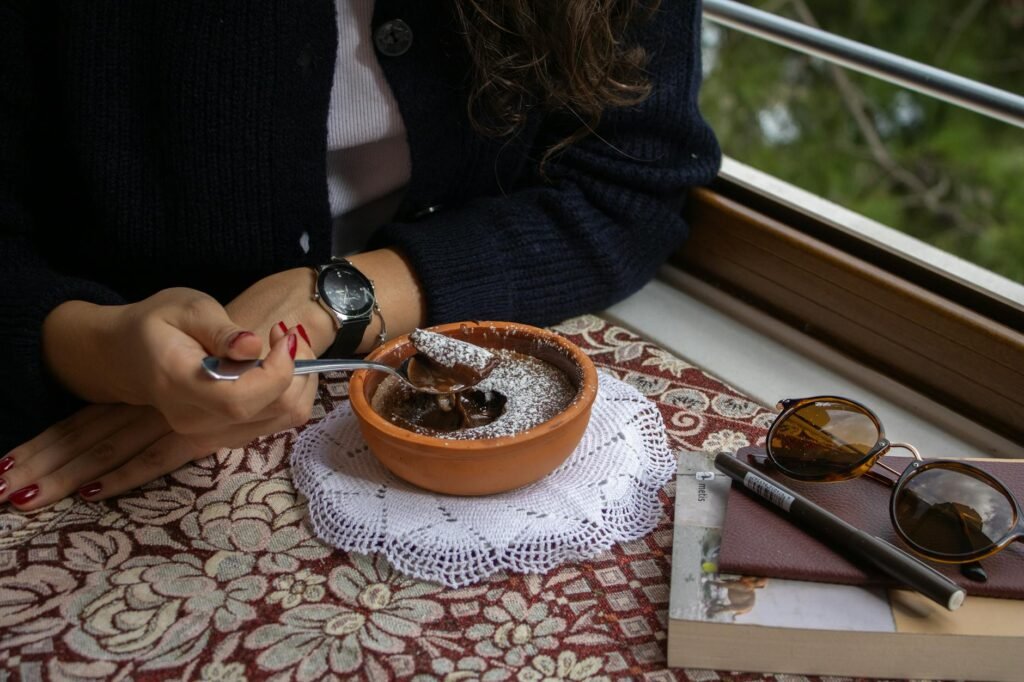
Chocolate mousse or pudding cups are the safest starting point. Chocolate gives you a strong lead flavor, the dessert is served cold, and avocado’s job is clear: add body and smoothness.
Do I need Hass avocados for dessert?
Not strictly, but they are usually the easier choice for dense desserts. UC Davis notes that Florida-grown cultivars have lower oil content than California cultivars, which helps explain why some avocados make a looser dessert base than others. (postharvest.ucdavis.edu)
How ripe should avocados be for dessert?
Ripe enough to yield to gentle pressure, but not bitter or badly bruised. Once ripe, refrigerate them until you are ready to use them so they do not slide past their best texture. (californiaavocado.com)
Can I bake avocado into brownies or cake?
You can, but the odds are better in dense, fudgy recipes than in light cakes. If the dessert depends on lift or a clean buttery crumb, avocado is usually the wrong substitute.
How do I keep avocado dessert from turning brown?
Limit air exposure and use a little citrus where the flavor fits. The California Avocado Commission notes that browning is natural oxidation from exposure to air, and citrus plus tight wrapping or airtight storage helps reduce it. (californiaavocado.com)
Can I freeze leftover avocado dessert or purée?
Usually yes, especially if the dessert is already headed for a frozen format. For avocado itself, the most reliable move is to freeze purée with lemon juice. The National Center for Home Food Preservation says avocado is best frozen as purée rather than whole or sliced. (nchfp.uga.edu)
References
- California Avocado Commission: Avocado Nutrition Facts and Benefits – https://californiaavocado.com/nutrition/avocado-nutrition-facts/
- California Avocado Commission: How to Store Avocados – https://californiaavocado.com/how-to/storing-avocados/
- California Avocado Commission: How to Choose a Ripe Avocado – https://californiaavocado.com/how-to/how-to-choose-and-use-an-avocado/
- California Avocado Commission Foodservice: handling, ripening, and browning tips – https://californiaavocado.com/foodservice/
- National Center for Home Food Preservation: Freezing Avocados – https://nchfp.uga.edu/how/freeze/fruits/freezing-avocados/
- UC Davis Postharvest Research and Extension Center: Avocado fact sheet – https://postharvest.ucdavis.edu/produce-facts-sheets/avocado