
Avocado confuses people for a simple reason: it is a fruit that behaves like a fat. If you are trying to protect your heart or lower LDL cholesterol, the key question is not whether avocado has fat, but what kind of fat it brings and what it replaces on your plate. The research points in a useful direction. Avocado can fit a heart-healthy eating pattern, and it may modestly improve LDL cholesterol, especially when it replaces foods higher in saturated fat. What it does not do is cancel out the rest of your diet or substitute for treatment when your cholesterol risk is already high. (pubmed.ncbi.nlm.nih.gov)
TL;DR
- In a controlled feeding trial, one avocado a day as part of a cholesterol-lowering diet reduced LDL cholesterol by 13.5 mg/dL from baseline, a larger drop than comparison diets in that study. (pubmed.ncbi.nlm.nih.gov)
- A 2025 meta-analysis of 10 randomized trials found a smaller average effect overall: LDL fell by 3.75 mg/dL and systolic blood pressure by 1.15 mmHg, while triglycerides, total cholesterol, HDL, BMI, and fasting glucose did not change significantly. (pmc.ncbi.nlm.nih.gov)
- The strongest real-world pattern is replacement. In large US cohort data, swapping avocado for foods such as butter, cheese, or processed meat was linked with lower cardiovascular risk. (pubmed.ncbi.nlm.nih.gov)
- Research doses ranged from 68 g in a single meal to 136 g per day in longer trials. A workable daily intake depends on whether avocado replaces less helpful fats and still fits your calorie needs. (pubmed.ncbi.nlm.nih.gov)
- If LDL is still high after you add avocado, widen the plan with more soluble fiber and clinician follow-up instead of expecting one food to do all the work. (pubmed.ncbi.nlm.nih.gov)
This article is for general information, not medical advice. If you have diagnosed high LDL, familial hypercholesterolemia, diabetes, kidney disease, digestive conditions, or you take cholesterol-lowering medication, use this as a discussion starter with your clinician. A lipid panel and overall cardiovascular risk assessment matter more than any single food. (heart.org)
What avocado can and cannot do for cholesterol
The basic science is less controversial than the headlines. US dietary guidance and the American Heart Association both emphasize replacing saturated fats with unsaturated fats within an overall healthy eating pattern. That is where avocado becomes relevant. It is one of the few fruits that can realistically stand in for butter, creamy spreads, cheese, or processed meat because it brings texture, satiety, and unsaturated fat to the meal. In other words, avocado helps most when it works as a substitute, not when it shows up as an extra topping on an already heavy plate. (dietaryguidelines.gov)
It is also worth noting how research portions compare with label portions. On the FDA raw fruits poster, the reference serving for California avocado is 1/5 of a medium fruit, about 30 grams, with 50 calories, 4.5 grams of fat, and 1 gram of fiber. Many clinical trials used more than that, which is why a decorative fan of avocado slices is unlikely to move your lipid panel on its own. (fda.gov)

What the strongest studies found
The cleanest evidence comes from controlled feeding trials, where researchers decide what participants eat. In a crossover trial of 45 overweight or obese adults, a cholesterol-lowering diet that included one fresh avocado per day, 136 grams, lowered LDL cholesterol by 13.5 mg/dL and non-HDL cholesterol by 14.6 mg/dL from baseline. Those reductions were greater than the changes seen with a matched moderate-fat diet without avocado and with a lower-fat diet. The avocado diet also reduced LDL particle number and small dense LDL. (pubmed.ncbi.nlm.nih.gov)
Shorter meal-based studies support the same idea from another angle. In a randomized crossover trial, replacing carbohydrate in breakfast with 68 grams or 136 grams of avocado improved post-meal glucose and insulin responses and improved flow-mediated vasodilation compared with the control meal. The whole-avocado meal also produced lower concentrations of triglyceride-rich lipoproteins after eating. That does not prove fewer heart attacks or strokes, but it does suggest avocado can improve the metabolic quality of a meal when it displaces less helpful ingredients. (pubmed.ncbi.nlm.nih.gov)
When you zoom out to the broader trial literature, the effect looks useful but modest. A 2025 meta-analysis pooling 10 randomized controlled trials and 2,314 participants found that avocado intake lowered LDL cholesterol by 3.75 mg/dL and systolic blood pressure by 1.15 mmHg on average. It did not find significant overall changes in triglycerides, total cholesterol, HDL cholesterol, fasting blood glucose, BMI, or C-reactive protein. That is probably the most practical summary for readers: avocado can help, but it is not a one-food fix. (pmc.ncbi.nlm.nih.gov)
Long-term observational data point in the same direction, with the usual caution that association is not proof of cause. In two large US cohorts followed for 30 years, people who ate at least two servings of avocado per week had a 16% lower risk of cardiovascular disease and a 21% lower risk of coronary heart disease than nonconsumers. Replacing half a serving per day of butter, margarine, egg, yogurt, cheese, or processed meat with avocado was associated with a 16% to 22% lower cardiovascular risk. The most important word in that finding is replacing. (pubmed.ncbi.nlm.nih.gov)
A fair editorial note: some avocado studies and trial programs disclose support or involvement from the Hass Avocado Board. That does not automatically invalidate the results, but it is a good reason to give more weight to the full body of evidence, national dietary guidance, and your own follow-up lab results than to any single avocado headline. (pubmed.ncbi.nlm.nih.gov)
Use the Replace-or-Add Scorecard
Use the five-point scorecard before adding avocados to your daily routine as a practical tool. The scorecard’s purpose is to address an issue readers will likely have: whether consuming an avocado each day supports your cholesterol or simply adds expense and calories to your grocery list.
- Give yourself 1 point if avocado replaces a saturated-fat food such as butter, cream cheese, cheese, a creamy dressing, or processed meat. That is the pattern most consistent with lower LDL and lower cardiovascular risk. (pubmed.ncbi.nlm.nih.gov)
- Give yourself 1 point if the rest of the meal is still solid: vegetables, beans, whole grains, fish, or lean protein instead of a meal built around fried chips, bacon, and cheese. This is an editorial inference from the substitution data and dietary guidance. (pubmed.ncbi.nlm.nih.gov)
- Give yourself 1 point if the portion is deliberate. Research doses were 68 grams in a meal or 136 grams per day, while the FDA reference serving is much smaller, so know whether you are using a garnish, a half avocado, or a full fruit. (fda.gov)
- Give yourself 1 point if you can repeat the habit consistently without blowing up your calorie budget. The goal is a repeatable swap, not a short burst of superfood enthusiasm. This is editorial guidance informed by the trial evidence. (pubmed.ncbi.nlm.nih.gov)
- Give yourself 1 point if you plan to verify the change with a lipid panel or clinician follow-up when cholesterol is a real concern. (heart.org)
- Score 4 or 5: likely useful. Score 2 or 3: probably neutral. Score 0 or 1: you are probably adding avocado rather than using it as a cholesterol strategy. This scoring system is an editorial inference from the evidence above. (pubmed.ncbi.nlm.nih.gov)

A realistic example with numbers
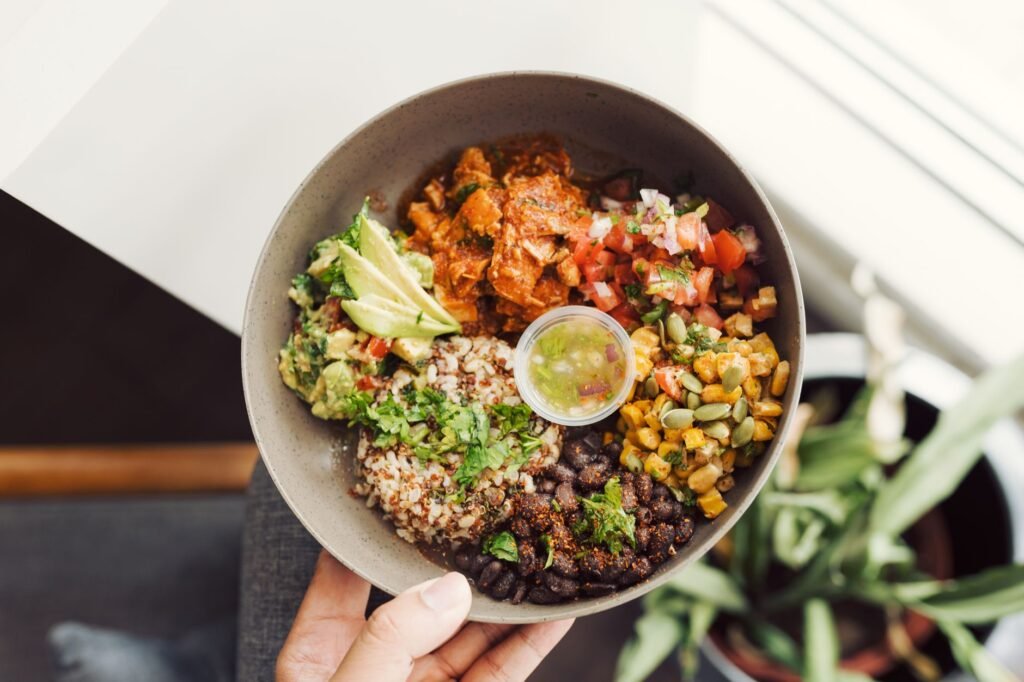
Consider a practical lunch-and-breakfast reset for someone trying to improve LDL. Breakfast uses 68 grams of avocado on whole-grain toast instead of butter or cream cheese. Lunch uses another 68 grams in a sandwich or grain bowl instead of cheese and mayo. That creates a daily intake of 136 grams, which matches the controlled-feeding trial dose. If the rest of the diet also keeps saturated fat in check, this setup resembles the research far more closely than adding guacamole to a cheeseburger dinner. It would be unrealistic to promise the exact 13.5 mg/dL LDL reduction seen in the tightly controlled trial, but it is reasonable to expect the direction of change to be favorable. In the broader meta-analysis, the average LDL reduction was closer to 3.75 mg/dL. (pubmed.ncbi.nlm.nih.gov)
| Avocado habit | What it replaces | Likely effect on a cholesterol plan | When it makes sense |
|---|---|---|---|
| Half an avocado on toast | Butter or cream cheese | Likely favorable | A breakfast or snack that needs a spread and would otherwise rely on saturated fat. (pubmed.ncbi.nlm.nih.gov) |
| Avocado in a salad or grain bowl | Cheese and creamy dressing | Likely favorable | Best when the rest of the meal also includes vegetables, beans, and whole grains. (pubmed.ncbi.nlm.nih.gov) |
| Guacamole with fried chips next to a burger | Usually nothing | Often neutral | Fine as an occasional food, but weak as a cholesterol strategy because avocado is added rather than swapped. (pubmed.ncbi.nlm.nih.gov) |
| Whole avocado added to an already high-saturated-fat keto plate | Little or nothing | Often limited benefit | Not ideal if the meal still leans heavily on butter, fatty meat, and cheese. (heart.org) |
| A few decorative slices | Little or nothing | Probably too small to matter alone | Good for flavor, but closer to garnish than intervention. (fda.gov) |
Common mistakes that flatten the benefit
- Adding avocado without removing anything else. This is the most common way to turn a useful swap into extra calories. (pubmed.ncbi.nlm.nih.gov)
- Assuming healthy fat means unlimited intake. Even heart-friendly foods still need to fit the rest of the day. The neutral BMI findings in the meta-analysis are a reminder that avocado is not automatically a weight-loss food or a weight-gain food by itself. (pubmed.ncbi.nlm.nih.gov)
- Watching only total cholesterol. The AHA notes that total cholesterol should not be interpreted on its own; a proper lipid panel separates LDL, HDL, and triglycerides. (heart.org)
- Thinking any avocado form in any meal carries the same benefit. The evidence is strongest when avocado improves the overall fat quality of the meal. (pubmed.ncbi.nlm.nih.gov)
- Expecting one food to override genetics or a high-risk clinical picture. LDL can be driven by genetics and other health conditions, and some people need medication as well as diet changes. (heart.org)
When avocado is not enough
Avocado may not be enough if your LDL is high because of genetics, diabetes, hypothyroidism, medications, or a diet pattern that is still heavy in saturated fat. The AHA notes that LDL can be influenced by genetics, lifestyle, and other health conditions, and lifestyle changes sometimes need to be paired with medication. That is why it is a bad idea to stop statins or other prescribed treatment because you started buying avocados. (heart.org)
If your cholesterol barely moves, widen the plan instead of fixating on one food. Soluble fiber has stronger dose-response evidence than avocado alone. A 2023 systematic review of 181 randomized controlled trials found that soluble fiber supplementation lowered LDL by about 8.28 mg/dL overall, and each 5 grams per day was linked to about 5.57 mg/dL lower LDL. In plain English, avocado can be part of the plan, but oats, beans, psyllium, and similar fiber-rich foods may end up doing more of the heavy lifting. (pubmed.ncbi.nlm.nih.gov)
This is also where personal finance logic matters. If avocado is expensive where you shop, do not treat it like a mandatory heart-health purchase. National guidance supports replacing saturated fats with unsaturated fats broadly, not buying one specific fruit at any price. On lower-avocado weeks, the same cholesterol strategy can come from oils, nuts, seeds, beans, and other fiber-rich staples. (dietaryguidelines.gov)
Avocado is also not ideal for everyone. Some people with latex allergy can react to avocado, and some people simply do not tolerate larger portions well. If that is you, choose another unsaturated-fat food rather than forcing a daily intake that makes you miserable. (aaaai.org)
How to verify whether it is working
- Review one week of meals and identify where avocado would replace butter, cheese, mayo, creamy dressing, or processed meat rather than sit on top of them. (pubmed.ncbi.nlm.nih.gov)
- Pick a repeatable amount. The evidence-based anchors are 68 grams in one meal or 136 grams across a day when avocado truly substitutes for other fats. (pubmed.ncbi.nlm.nih.gov)
- Keep the rest of the eating pattern stable enough that you can judge the change fairly. A one-food experiment is hard to interpret if everything else changes at the same time. This is an editorial inference from the trial evidence. (pubmed.ncbi.nlm.nih.gov)
- Use a lipid panel to track LDL, HDL, total cholesterol, and triglycerides instead of guessing from body weight or how you feel. (heart.org)
- Ask your clinician when your next cholesterol test should be, especially if you already have high LDL or take medication. (heart.org)
Bottom line
Research does not support the idea that avocado automatically worsens cholesterol. A better reading of the evidence is more specific and more useful: avocado can modestly improve LDL cholesterol and fit a heart-healthy diet when it replaces foods higher in saturated fat and is used consistently. The best practical dose in studies ranges from half an avocado in a meal to about one full avocado across the day, but daily intake only makes sense if it replaces less helpful fats, fits your calorie needs, and is checked against a real lipid panel. If you need one rule to remember, make it this: use avocado as a swap, not a stack. (pubmed.ncbi.nlm.nih.gov)
FAQ
Can avocado raise cholesterol because it is high in fat?
Not in the way many people assume. The relevant issue is fat quality. Avocado is most useful when it replaces foods higher in saturated fat, which is the pattern linked to better LDL results in trials and cohort studies. (pubmed.ncbi.nlm.nih.gov)
Is one avocado a day too much?
Research has tested about one avocado per day, roughly 136 grams, in both short and longer trials. That amount can fit for some people, but it is only sensible if it replaces other calorie-dense fats and still fits the rest of your diet. Longer-term daily avocado intake did not automatically improve every cardiovascular marker, so more is not always better. (pubmed.ncbi.nlm.nih.gov)
Does guacamole count as a heart-healthy avocado habit?
It can, but context matters. Guacamole used instead of cheese dip or sour-cream-heavy toppings is different from guacamole added to a meal that is already built around fried chips, cheese, and processed meat. The cholesterol logic still comes back to replacement. (pubmed.ncbi.nlm.nih.gov)
What if my LDL stays high after I start eating avocado?
Do not conclude that the research is wrong or that you failed. First check whether avocado actually replaced saturated-fat foods. If it did and LDL is still high, broaden the plan with more soluble fiber and ask your clinician whether you need additional treatment or testing. (pubmed.ncbi.nlm.nih.gov)
Should I focus on LDL, HDL, or total cholesterol when I test this?
A full lipid panel matters most. The AHA notes that total cholesterol should not be interpreted alone. Use LDL, HDL, triglycerides, and the overall discussion with your clinician to judge whether your food changes are helping. (heart.org)
References
- FDA raw fruits poster text version – https://www.fda.gov/food/labeling-nutrition/raw-fruits-poster-text-version-accessible-version
- Dietary Guidelines for Americans, 2020-2025 – https://www.dietaryguidelines.gov/sites/default/files/2020-12/Dietary_Guidelines_for_Americans_2020-2025.pdf
- Effect of a moderate fat diet with and without avocados on lipoprotein particle number, size and subclasses in adults – https://pubmed.ncbi.nlm.nih.gov/25567051/
- Effects of Avocado Products on Cardiovascular Risk Factors in Adults: A GRADE-Assessed Systematic Review and Meta-Analys – https://pubmed.ncbi.nlm.nih.gov/40612140/
- Avocado Consumption and Risk of Cardiovascular Disease in US Adults – https://pubmed.ncbi.nlm.nih.gov/35352568/
- Avocado Fruit on Postprandial Markers of Cardio-Metabolic Risk – https://pubmed.ncbi.nlm.nih.gov/30213052/
- Effect of Incorporating 1 Avocado per Day Versus Habitual Diet on Vascular Function in Adults With Abdominal Obesity – https://pubmed.ncbi.nlm.nih.gov/38726886/
- Soluble Fiber Supplementation and Serum Lipid Profile: A Systematic Review and Dose-Response Meta-Analysis of Randomized – https://pubmed.ncbi.nlm.nih.gov/36796439/
- American Heart Association: How to Get Your Cholesterol Tested – https://www.heart.org/en/health-topics/cholesterol/how-to-get-your-cholesterol-tested
- American Heart Association: Understanding Cholesterol and Lipids – https://www.heart.org/en/health-topics/cholesterol/your-complete-guide-to-understanding-cholesterol-and-lipids
- AAAAI: Latex Allergy – https://www.aaaai.org/conditions-treatments/allergies/latex-allergy