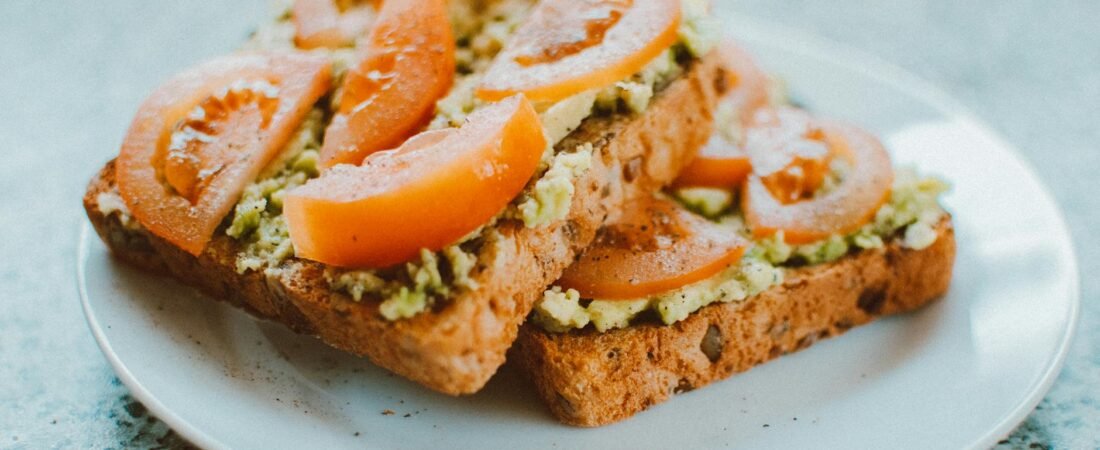
Avocado dishes seem simple, but most often they fail in the same fashion that they over spent, not enough food to keep you full until evening, or half of the avocado turns brown before anybody eats it. The fix is usually rather than finding another complicated recipe, just build your meal tighter. Start with one solid base, add one protein, add one crunchy/juciy component, and add just enough avocado to keep your meal fresh, but not too much to make it heavy.
For a practical default, USDA MyPlate still offers a useful frame: make half the plate fruits and vegetables, and make at least half your grains whole grains. MyPlate also counts 1 regular slice of bread as 1 ounce-equivalent of grains, and 1 egg or 1/4 cup cooked beans as 1 ounce-equivalent of protein foods, which is handy when you need fast portion anchors on a busy weekday. (myplate.gov)
TL;DR
- Use a simple formula: base + protein + fresh produce + sharp finish + 1/4 to 1/2 avocado.
- Let avocado be the creamy element. If you also add cheese, mayo, and a creamy dressing, the meal usually gets heavier and pricier without getting better.
- Using April 2026 BLS averages for eggs, bread, tomatoes, and chicken, plus USDA ERS avocado cost data, a simple four-meal avocado lunch basket can land around $10.79, or about $2.70 per meal before pantry extras and tax. (bls.gov)
- If a meal leaves you hungry two hours later, the first fix is usually more protein or a sturdier base, not more avocado.
- Wash avocados before cutting, refrigerate perishable leftovers promptly, and keep the fridge at 40°F or below. (fda.gov)
Use the AVO-20 Build Rule
To make your avocado meals more useful, think about the components of a meal before you think about recipes. For example: you have a simple rule called the AVO-20 Build Rule: if your meal has more than one cooked component or more than one creamy addition, then that meal has likely drifted into not-so-busy-day territory. If you keep it simple, you will be able to make the same thing again on Wednesday when you really want it.
- A = Anchor the base. Start with toast, a tortilla, leftover rice, a grain bowl, or greens.
- V = Verify the protein before you cut the avocado. MyPlate’s shorthand is useful here: 1 egg counts as 1 ounce-equivalent of protein foods, and 1/4 cup cooked beans counts as 1 ounce-equivalent too. (myplate.gov)
- O = Offset the richness. Add tomatoes, cucumber, slaw, salsa, herbs, citrus, or pickled onions so the meal tastes bright instead of flat.
- 20 = Keep the portion practical. In most quick meals, 1/4 to 1/2 avocado per serving is enough to add creaminess without making the meal feel one-note or expensive.
- Decision rule: If you are adding avocado, cheese, and mayo to the same lunch, pick one creamy item to lead and let the rest support it.
General information only. If you follow a medically necessary diet, need stricter sodium limits, or are managing diabetes, kidney disease, or food allergies, use these ideas to plan meals, and consult a clinician or registered dietitian to adjust portions and ingredients.
A quick cost check before you start
As of April 2026, BLS listed national average prices at $2.25 per dozen eggs, $1.869 per pound of white bread, $2.689 per pound of field-grown tomatoes, and $2.026 per pound of whole chicken. USDA ERS lists avocado at $0.98 per cup equivalent in 2023 price data, which puts a half-cup planning figure at about $0.49. That is a useful reminder that avocado meals stay reasonable when avocado is the upgrade, not the whole meal. (bls.gov)
One practical benchmark: combine eggs, bread, tomatoes, chicken, and four half-cup avocado portions and the basket totals about $10.79. If that basket covers four work lunches, you are at roughly $2.70 a meal before pantry extras and tax. It is not a promise of your exact local grocery bill, but it is a useful planning baseline when lunch spending has started to drift. (bls.gov)
| If you have… | Make this | Time | Why it works | Best money-saving move |
|---|---|---|---|---|
| Eggs + bread + tomatoes | Avocado egg toast with tomato and hot sauce | 10 min | Warm protein plus a juicy topping keeps toast from feeling like a snack | Use one avocado across two servings and add a second egg before adding extra avocado |
| Beans + tortillas + salsa | Black bean avocado quesadilla | 12 min | Beans make it filling, while salsa keeps it bright | Drain and season canned beans instead of buying a meal kit |
| Chicken + greens + cucumber | Chopped chicken-avocado salad bowl | 15 min | Light and fresh, but still substantial | Use leftover chicken before buying deli protein |
| Rice + frozen corn + lime | Avocado rice bowl with corn and beans or chicken | 15 min | Best when you need a sturdier lunch | Start with leftover rice, not microwave cups |
| Pita or toast + white beans | Lemony white bean avocado smash | 8 min | Fast no-cook option with real staying power | Mash beans with lemon instead of buying a separate spread |
Seven avocado meals that actually make sense on a weekday
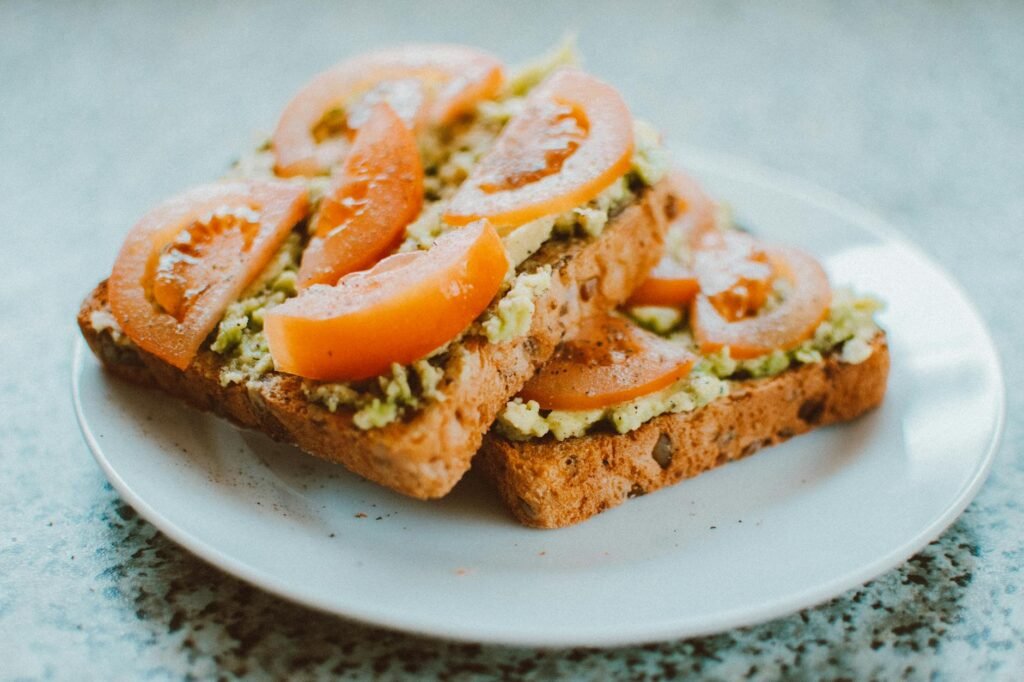
- Toast 2 slices of your favourite type of bread, then add on mashed up avocado and two eggs (scrambled or poached) as well as sliced tomatoes seasoned with salt and pepper. Drizzle over your choice of hot sauce or salsa. This lovely experiment will be a good option is you are pressed for time, unhealthy kudos; whatever you want to call it, but you still want real, filling food for lunch.
- Place some of the black beans that are seasoned and cooked onto a tortilla, then put the cooled, sliced avocado on top, then top with salsa and shreds of lettuce or shredded cabbage. The main thing to think about here is that you will be adding in the cooled and fresh avocado, instead of melting it down with the rest of the quesadilla filling.
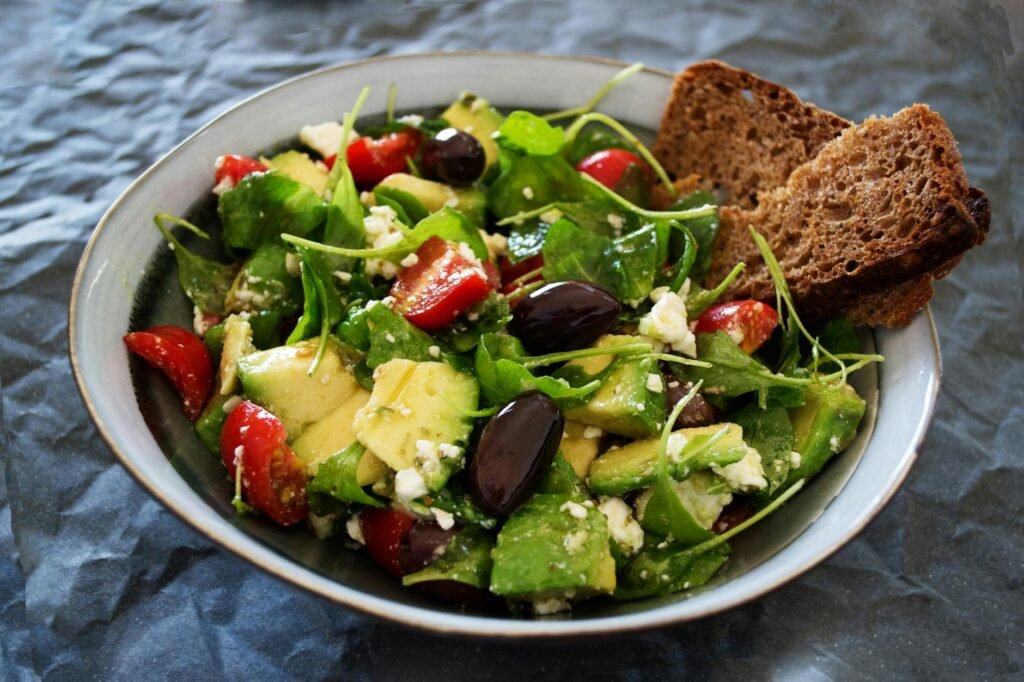
- Chicken-avocado chopped salad: Toss chopped cooked chicken, cucumber, tomato, greens, avocado, and a sharp lemon or red-wine vinaigrette. Skip the heavy creamy dressing. Avocado already does that job.
- Smashing Avocado and White Beans on Toast: To create a quick vegetarian lunch, combine and mash together white beans, lemon juice, olive oil, and salt + pepper. Spoon topping whites bean mixture onto pieces of toast, then add smashed avocado, chopped herbs, and crunchy cucumbers or radishes.
- Making a Rice Bowl with Avocado, Corn and Lime: Begin with leftover rice (or cooked white or brown rice); include bean or chicken; top with corn, diced avocado, squeeze of fresh lime juice, and chopped fresh cilantro. A rice bowl is a great alternative when you’re looking for a little more substance than just a salad, but don’t want to go through the steps of preparing an entire meal from scratch.
- This makes a quick and simple lunch, using a tortilla, and piling up on it some sliced turkey, leftover chicken (from chicken dish/toaster oven), avocado, bagged slaw or shredded cabbage, and the sauce of your choice (and mustard based or lime based sauce work). They transport better than toast, and are easier to eat at your desk than toast.
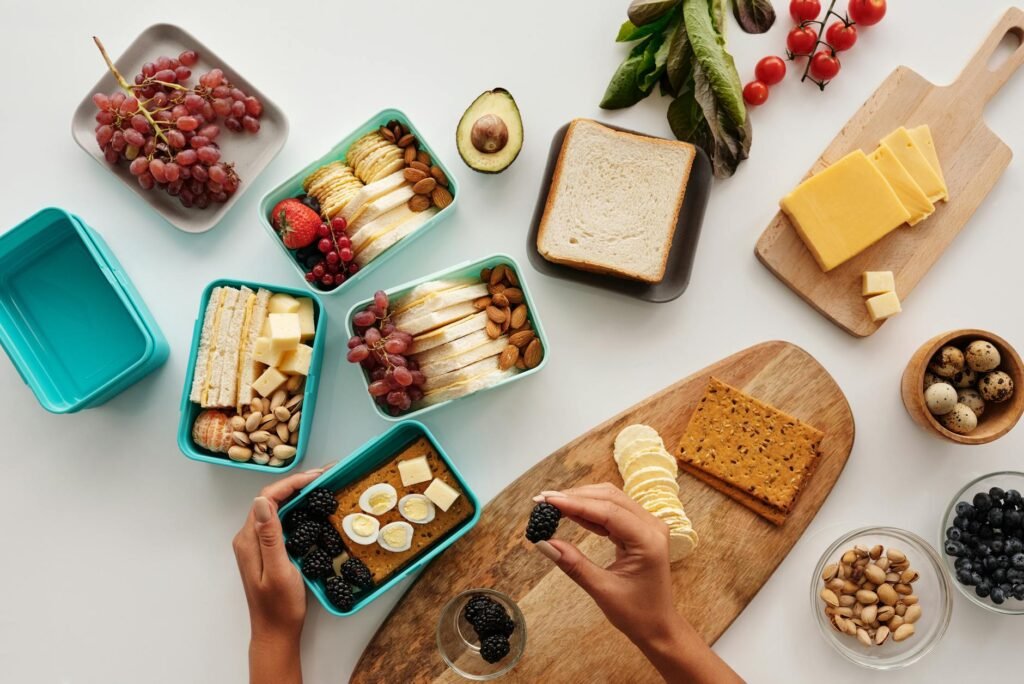
- A snack platter that constitutes as a full meal: Combine hard-boiled eggs with an avocado, raw tomatoes, slices of cucumber, whole-grain toast or wedges of bread; add in some fresh salad greens and you’ve got yourself a very filling meal! When you don’t think cooking is going to work out and you’re still not planning on ordering take-out; this is an excellent alternative to consider.
A realistic workweek example
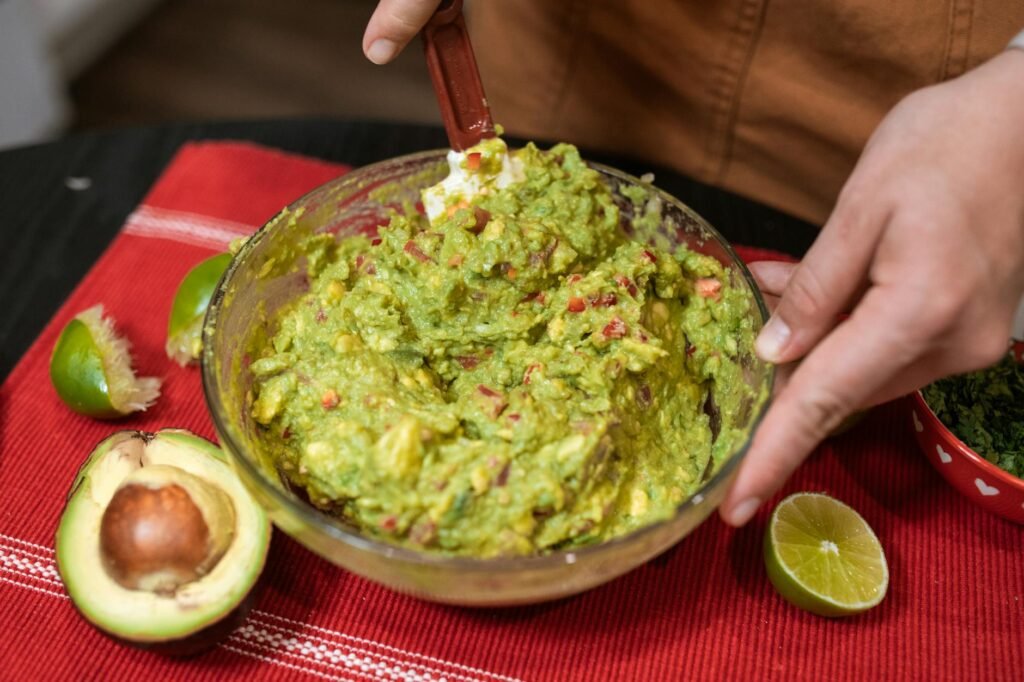
Envision an adult accurately matching four workday meals using fewer than four different meal plans. Monday’s should include 1/2 avocado on toast with an egg. Tuesday should include a salad with chopped chicken and avocado. Wednesday will be quesadillas made from black beans with salsa. Thursday will again have sliced cucumbers on white beans and avocado toast. Variety of meals is not the ultimate goal. The ultimate goal here is to have overlapping…using the same tomatoes, leafy greens, bread, salsa, and avocados so that both grocery costs and waste will be reduced!
Another area where the ZXQKEEP0000PXZ-20 rule pays off. Only one of the three avocado foods needs to be creamy, not three of them mixed together, with cheese and ranch; only one needs to be prepared (in advance) to be ready for more than two meals; buy 3 different ripe varieties of avocado (so that you can eat 2 from one batch, and then get 2 from another batch).
- Put one fast protein at eye level in the fridge: hard-boiled eggs, cooked chicken, beans, tofu, or cottage cheese.
- Wash and dry the crunchy produce first. FDA advises washing produce before preparing or eating it, and avocados should be washed before cutting so bacteria on the peel are not transferred by the knife. (fda.gov)
- Portion one bright finish into a jar: salsa, lemon vinaigrette, lime juice with salt, or pickled onions.
- Keep ripe avocados whole until the day you eat them when possible.
- Reserve one backup base in the pantry or freezer: whole-grain bread, tortillas, cooked rice, or quinoa. MyPlate’s guidance to make at least half your grains whole grains is a good tie-breaker when choosing among bases. (myplate.gov)
Where avocado meals usually go wrong
- Treating avocado as the whole meal. Avocado on toast alone often eats more like a snack than a lunch.
- Using too many creamy ingredients at once. Avocado, cheese, mayo, and creamy dressing in the same bowl usually make the meal feel dull and heavy.
- Buying all the avocados rock-hard or all ripe on the same day.
- Skipping acid and crunch. Without lime, vinegar, salsa, cucumber, radish, or tomato, avocado meals flatten out fast.
- Building around specialty ingredients you will not reuse by Friday.
- Prepping cut avocado too far ahead and then assuming the whole meal idea does not work.
When the first plan is not enough
Some weeks the problem is not your planning. It is the produce aisle. The California Avocado Commission says avocados can be ripened in a paper bag at room temperature, usually in about two to five days, and ripe fruit can then be refrigerated for at least two more days. That makes a staggered-ripeness strategy much easier to manage. (californiaavocado.com)
Instead of feeling pressured to purchase avocados if they’re pricey, not quite ripe yet or past their prime – use hummus or other bean-based, mashed, smooth or soft foods that can be used as a substitute to provide creaminess over the course of a couple of days while you wait until you can again justify buying avocado. You can use these items in the same way you would use an avocado: Use as your base; Use a protein; Add some crunch; Add something spicy at the end.
For packed lunches, whole avocados are the easiest shortcut. If you must prep cut avocado, the California Avocado Commission recommends lemon, lime, or white vinegar on the cut surface, then tight wrapping or an airtight container in the refrigerator. (californiaavocado.com)
Food safety and label shortcuts that matter
- Wash produce before cutting, even if you plan to discard the peel. FDA gives this advice specifically for avocados because bacteria on the outside can be transferred by the knife. (fda.gov)
- Refrigerate perishable foods and leftovers promptly. FDA says to follow the two-hour rule, or one hour if the temperature is above 90°F, and keep the refrigerator at 40°F or below. (fda.gov)
- If you buy packaged guacamole, salad kits, or bottled dressings, use the Nutrition Facts label to compare sodium, saturated fat, and serving size before the shortcut becomes the saltiest part of the meal. (fda.gov)
- Keep ready-to-eat produce separate from raw meat and wash boards, knives, and counters between tasks. (fda.gov)
How to pressure-test whether this advice actually works for you
Conduct a brief review of the meal seven days later. Keep in mind that this is not an assessment of how nutritious the meal is but rather to show how well the meal works in the real world. If the meal sounds appealing but cannot stand up to being worked every day then it needs to be modified and not just be more ambitious.
- Fresh: Did the meal have at least one juicy or crisp element such as tomato, cucumber, slaw, herbs, or salsa?
- Fill: Did it include a real protein and a sturdy base, or were you looking for snacks an hour later?
- Save: Did it use ingredients you bought for more than one meal, or did half a tub of something die in the fridge?
- Speed: Could you make it in 20 minutes without hunting through three shelves and six condiments?
- Repeat: Would you willingly eat it again next week?
Most of the time fixing the low score for each meal is easy. If you have a low Fresh score, add a little acidity or something crunchy to the dish. If you have a low Fill score, add some beans, eggs, chicken, tofu, or a heavier bottom to your dish. If you have a low Save score, pare it down to items that can be used for two or three lunches. Typically meals that you make on busy days tend to taste better when they are simple.
Bottom line
When looking for quick avocado meals that use avocados for lunch, they should be made quickly and have an enjoyable level of richness (creamy) with some type of crunchy component. It is also best if they include whole protein sources and are made from items you already have in the refrigerator and/or pantry – making a meal out is not an option vs a fast/casual business. By keeping the structures of these meals simple, making sure to use solid portions of avocados and creating a variety of these types of meals for your family will allow you to have meals that are easily repeatable on busy days, satisfying your appetite and making them a relaxing, enjoyable calendar activity.
Frequently asked questions
How much avocado should go in a busy-day meal?
Usually 1/4 to 1/2 avocado per serving is enough when the meal also has protein and a base. If you keep wanting more, try fixing salt, acid, or crunch first.
Can avocado meals still be filling without meat?
Yes, if you build around beans, eggs, tofu, or another real protein and include a base like toast, rice, or a tortilla. MyPlate counts 1 egg or 1/4 cup cooked beans as 1 ounce-equivalent of protein foods, which is a useful quick check. (myplate.gov)
How do I keep avocado from browning in a packed lunch?
The easiest option is to cut it right before eating. If you need to prep it ahead, use lemon or lime on the cut surface, wrap or seal it tightly, and refrigerate it. (californiaavocado.com)
Should I buy pre-made guacamole for speed?
It can be a fair shortcut, but check the Nutrition Facts label first. Serving sizes, sodium, and saturated fat can vary, and a convenience buy is only useful if it still fits the kind of lunch you are trying to build. (fda.gov)
What if avocados are hard as rocks when I need lunch tonight?
Skip them tonight and use the same meal structure with beans, eggs, or another creamy spread. For later in the week, let the avocados ripen in a paper bag at room temperature; the California Avocado Commission says that usually takes about two to five days. (californiaavocado.com)
References
- U.S. Bureau of Labor Statistics: Average price data (in U.S. dollars), selected items – https://www.bls.gov/charts/consumer-price-index/consumer-price-index-average-price-data.htm
- USDA Economic Research Service: Fruit and Vegetable Prices – Highlights and Interactive Charts – https://www.ers.usda.gov/data-products/fruit-and-vegetable-prices/highlights-and-interactive-charts
- USDA MyPlate: Grains Group – https://www.myplate.gov/web/web/eat-healthy/grains
- USDA MyPlate: Protein Foods Group – https://www.myplate.gov/eathealthy/protein-foods/protein-foods-nutrients-health?post=08132019a
- USDA MyPlate: About Us – https://www.myplate.gov/about-us/
- FDA: Selecting and Serving Produce Safely – https://www.fda.gov/food/buy-store-serve-safe-food/selecting-and-serving-produce-safely
- FDA: Are You Storing Food Safely? – https://www.fda.gov/consumers/consumer-updates/are-you-storing-food-safely
- FDA: How to Understand and Use the Nutrition Facts Label – https://www.fda.gov/food/resourcesforyou/consumers/ucm274593.htm
- California Avocado Commission: How to Choose and Use an Avocado – https://californiaavocado.com/how-to/how-to-choose-and-use-an-avocado/