TL;DR
- Use avocado for richness, not as the whole breakfast.
- Build around low-cost anchors like potatoes, oats, beans, tortillas, rice, or yogurt.
- Apply the A.V.O. Filter: Anchor, Variety, Offset.
- Stretch 1 avocado across 2 servings when the meal already has a solid base.
- If you buy or cut produce ahead, keep it refrigerated. (fda.gov)
- Track cost, fullness, and waste for two weeks before locking in a breakfast rotation.
Avocado breakfast gets marketed like a premium habit, but the real household question is simpler: can you turn one avocado into several satisfying mornings without falling back on toast, eggs, and a coffee-shop bill? That matters even more now because restaurant breakfast keeps getting pricier. In the Bureau of Labor Statistics’ April 2026 CPI data, food away from home was up 3.6% year over year, while food at home was up 2.9%. Bread and breakfast cereal were also up on a year-over-year basis. A smart avocado breakfast, then, is not the fanciest one. It is the one you can repeat on a weekday without wasting food or needing a second breakfast at 10:30. (bls.gov)
MyPlate is a useful reality check here. The official guidance emphasizes building meals from a mix of food groups, making half your grains whole grains, varying your protein routine, and using dairy or fortified soy options when they fit your needs. That is why the best avocado breakfasts treat avocado as one rich component, not the entire meal. Pair it with a grain, a protein food, and some fruit or vegetables, and breakfast starts to feel more like a plan than a trend. (myplate.gov)
Use the A.V.O. Filter before you buy anything
I use the A.V.O. Filter (Anchor, Variety and Offset) as a tool to correct the majority of mistakes made when preparing avocado for breakfast food; a key reason for eating too much avocados at breakfast is that often it is served with an expensive base or another costly component on top of itself, creating excess calories. Boredom occurs when all breakfasts are made from soft textured ingredients. Lastly, the absence of any advantage points makes customers feel hungry once again shortly after eating avocado; resolving these 3 issues on the front end enables avocado to be practically beneficial rather than performance based.
- Anchor with a low-cost base, ideally around $1 a serving or less: potatoes, oats, beans, tortillas, leftover rice, or plain yogurt. Whole-grain bases are especially useful because MyPlate recommends making half your grains whole. (myplate.gov)
- Variety means one crisp or bright element: salsa, cucumber, radish, lemon, pickled onions, herbs, toasted seeds, or a sharp sauce. This is what keeps avocado from tasting flat.
- Offset the cost by using 1/4 to 1/2 avocado per serving and pairing it with a filling partner. MyPlate’s protein foods group includes beans, peas, lentils, nuts, seeds, eggs, and soy products, so you have plenty of ways to move beyond eggs without ending up with a skimpy breakfast. (myplate.gov)
Budget tip: If the avocado is doing all the work, the breakfast usually costs too much. Let the base carry the volume and let avocado carry the flavor.
Eight avocado breakfasts worth putting on repeat
| Idea | Low-cost anchor | Protein or produce partner | Illustrative cost per serving | Best for |
|---|---|---|---|---|
| Savory yogurt bowl | Plain yogurt | Cucumber, dill, pepitas | $2.10 | No-cook mornings |
| Black bean quesadilla | Whole-wheat tortilla | Black beans, salsa, cabbage | $1.85 | Hungry workdays |
| Crispy potato bowl | Roasted potatoes | Salsa, beans, or cottage cheese | $1.95 | People who want a hot breakfast |
| Cottage cheese rice bowl | Leftover rice | Tomato, scallions, hot sauce | $2.25 | Using leftovers well |
| Savory oats | Oats | Scallions, sesame, edamame | $1.80 | Cheapest hot option |
| White bean pita | Whole-wheat pita | Parsley, cucumber, lemon | $2.05 | Portable breakfasts |
| Hummus-avocado wrap | Tortilla or lavash | Carrots, sunflower seeds | $2.00 | Desk breakfast |
| Sweet potato corn bowl | Roasted sweet potato | Corn, lime, pumpkin seeds | $2.20 | People who like a sweet-savory mix |
This week, start with either the savory yogurt breakfast or the black bean quesadilla when you want to make less than five simple and quick breakfasts. One is so simple that all it requires is a little bit of prep work; however, the other meal has a lot of volume, but it doesn’t include any meat or eggs or expensive ingredients. If you find that you work better after eating a hot breakfast, then you could also add the potato breakfast to your list later in the week as well.
Savory yogurt bowl with cucumber, dill, and pepitas
Take a shallow bowl and spread 3/4 cup of plain yogurt into it. On top of the yogurt, place 1/4 of an avocado, chopped cucumber, dill, lemon juice (on the zest), toasted pepitas, black pepper, and a very small amount of salt. You can also add whole grain crackers if you want the dish to have more substance and/or have a small side of fruit. Because yogurt provides a good deal of nutritional substance already, the avocado provides an additional source of calories and will be considered a supporting ingredient in this dish. It is possible to have the creamy flavor associated with avocados without using an entire avocado in this breakfast recipe alone; therefore, there will not need to be something else for you to eat in a few hours.
Black bean and avocado quesadilla with cabbage slaw
With an avocado, lime juice and salt the size from one’s thumb nail to a soda can, mash together into a spread about 1/8 -3/4 of the tortilla (again using your fingers) as a base (1/2 cup black beans) and your favorite shredded cheese (or salsa). Heat a pan, pan fry until the mixture is crispy/cooked and finished with slaw or coleslaw after cooking. The beans do the majority of the work to save you money over traditional breakfasts (due to being a low cost protein source) and by using the slaw as a substitute for bread gives you great texture without having to include an item from your diet.
Crispy potato, salsa, and avocado breakfast bowl
People often complain about how avocados cannot fill you up as breakfast. A good option here is to bake a sheet pan of chopped potatoes in advance; when you’re ready for breakfast, you can reheat them until they’re slightly crispy around the edges and top them with some type of salsa or leftover beans, and then finish off with an avocado. If you prefer additional protein, consider adding cottage cheese instead of more avocado since that will give a different texture, and usually you will find it cheaper than another serving of avocado. The bowl still contains an avocado for garnish which adds freshness of taste and is the best quality return on investment for your breakfast.
Cottage cheese, rice, and tomato bowl
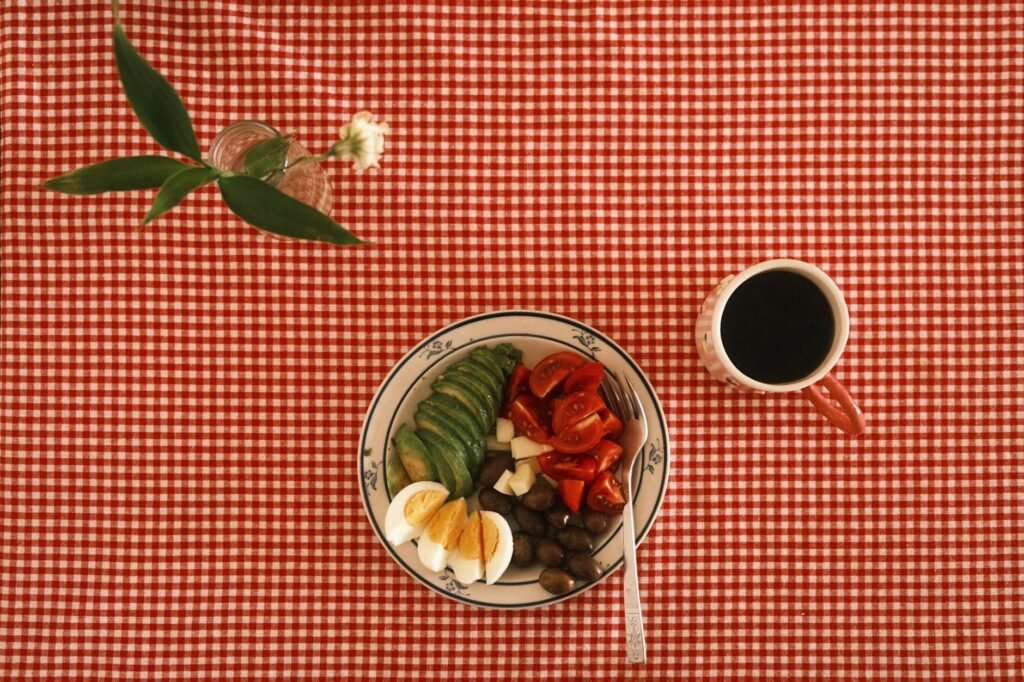
Rice that has already been cooked can be an unexpected and very healthy way to begin your day. Simply heat about 3/4 cup rice until warm, then add a serving of cottage cheese, some diced tomatoes, chopped green onions or scallions, and a splash of hot sauce (optional), and top with half an avocado. That may sound strange if you think of breakfast as a sweet meal or one that requires bread, but it’s actually not at all unusual to eat this combination together for breakfast (or lunch). It is a very helpful recipe because most people have leftover rice from dinner, an avocado that needs to be eaten, and do not want to cook eggs again.
Savory oats with avocado, scallions, and sesame
Make your oats dense instead of runny. Top them with avocado, green onions, sesame seeds, and either soy sauce/chilli oil. If you have some frozen soybeans in your freezer, add a handful of those; they’re great for added texture and extra filling. This is one of the most cost-effective methods of re-introducing avocado to your diet because the oats provide the bulkiness of the meal while the avocado supplies the creamy, fatty quality. If you have been eating avocado for breakfast and recently switched to eating it out for brunch, this meal provides a great way to reset your breakfast habits.
What a five-breakfast week looks like in actual numbers
Here is a realistic one-person, five-breakfast rotation using illustrative supermarket prices, not national averages: 3 avocados at $1.25 each ($3.75), a 32-ounce tub of plain yogurt ($4.49), a pack of 8 whole-wheat tortillas ($2.79), 2 cans of black beans ($2.38), a 5-pound bag of potatoes ($4.99), a 16-ounce tub of cottage cheese ($3.49), salsa ($2.99), one cucumber ($0.89), and one bunch of scallions ($0.99). You would not use every ounce of every item in one week, but even using a generous share of those ingredients, you can put together five different avocado breakfasts for about $14 to $16 total, or roughly $2.80 to $3.20 each. Compared with a hypothetical $9 bought-out breakfast, that is a weekly difference of about $29 to $31.
When avocado stops being the budget move
Avocado stops being a smart buy when three things happen: you use a whole fruit per serving, you pair it only with premium add-ons, or you let half of it go bad in the fridge. If avocados are expensive this week, cut the portion to 1/4 fruit and let white beans, hummus, yogurt, or cottage cheese handle more of the volume. If the avocados are still hard, use your non-avocado breakfasts first and move the avocado meals later in the week. FDA guidance is useful on the waste side: choose produce that is not bruised or damaged, buy pre-cut produce only if it is refrigerated, and refrigerate cut or peeled produce. MyPlate’s budget advice is equally practical: eat your fresh foods first so they do not spoil. (fda.gov)
A 15-minute Sunday setup
- Buy mixed ripeness if you are planning several breakfasts: a couple ready now, a couple firmer for later.
- Prep one cheap anchor in advance: roast potatoes, cook oats, or portion yogurt into containers.
- Prep one partner ingredient: rinse beans, thaw edamame, or portion cottage cheese.
- Prep crunch and brightness: slice cucumber, shred cabbage, wash herbs, and put salsa or lemon where you can see it.
- Leave avocados whole until the morning you plan to use them whenever possible.
- Write a five-day order based on perishability so the freshest ingredients get used first.
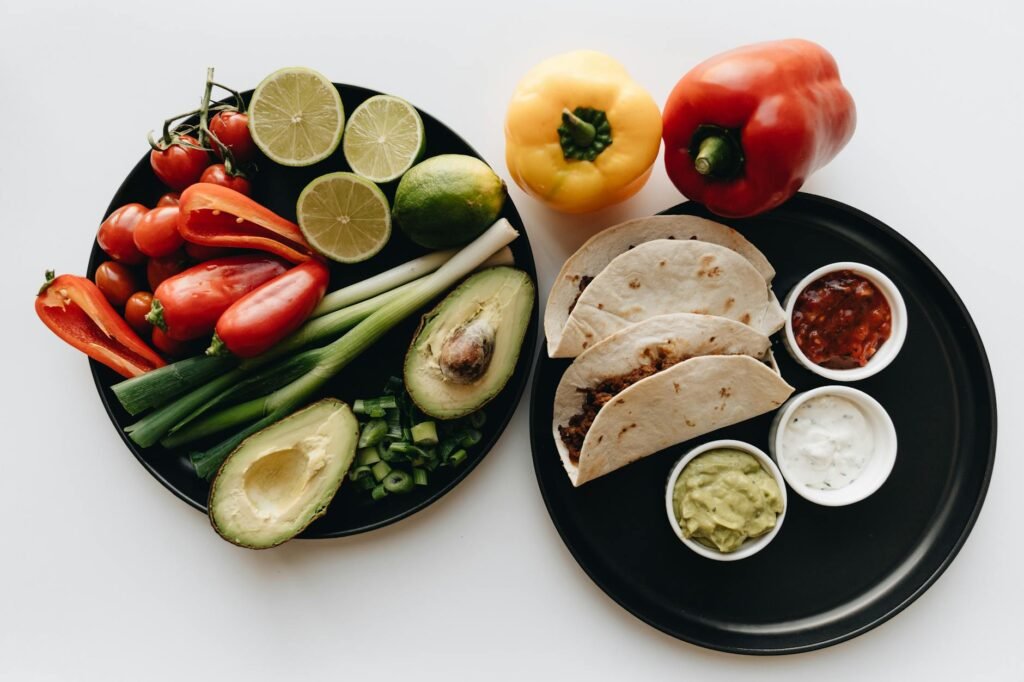
Common mistakes that make avocado breakfast bland or expensive
- Using a whole avocado for a single serving when 1/4 to 1/2 would taste almost the same once mixed with acid, herbs, or heat.
- Building around expensive companions. Avocado plus bakery bread plus smoked fish plus specialty cheese is brunch math, not weekday math.
- Forgetting crunch or acid. Soft foods piled on soft foods gets boring fast.
- Making every option cold. If you prefer a hot breakfast, keep potatoes or oats in the rotation.
- Cutting all the avocados at once. That is how good intentions turn into waste.
- Treating avocado as the protein. If you regularly get hungry before lunch, add beans, yogurt, tofu, cottage cheese, nuts, or seeds instead of just adding more avocado.
How to verify this advice in your own kitchen
- Track actual cost per serving from your receipt for two weeks, not just your guess in the aisle.
- Note whether each breakfast keeps you satisfied until lunch without extra snacking.
- Count waste on Friday: unused herbs, browned avocado halves, stale tortillas, and forgotten yogurt are all signals.
- Keep only the breakfasts that pass all three tests: affordable, filling, and repeatable.
Bottom line
Increase and decrease the cost of your avocado morning meal by shifting from an avocado foundation, to an avocado finishing touch. Use a low-cost item as the base of your meal, work in a real partner ingredient, combine these two primarily with avocado as a source of fat making a new type of avocado morning meal alternative to breakfast egg / avocado toast. This will give you a good starting point to make a new style of breakfast without drifting into cafe pricing.
FAQ
How much avocado should I use per breakfast to keep cost reasonable?
A good default is 1/4 to 1/2 avocado per serving. If the meal already includes yogurt, beans, potatoes, oats, or rice, most people will not miss using the whole fruit.
What should I pair with avocado if I do not eat eggs?
Beans, lentils, tofu, nuts, seeds, yogurt, or fortified soy yogurt all work. MyPlate’s protein foods group includes beans, peas, lentils, nuts, seeds, and soy products, and the Dairy Group includes yogurt or fortified soy yogurt. (myplate.gov)
Can I meal-prep avocado breakfasts?
Yes, but prep the base and toppings ahead, not the cut avocado if you can avoid it. FDA advises buying pre-cut produce only when refrigerated and refrigerating cut or peeled produce, so the safest budget move is usually to prep everything else and cut the avocado right before eating. (fda.gov)
What if avocados are too expensive or unreliable this week?
Keep the structure and swap the fruit. Hummus, mashed white beans, plain yogurt, or cottage cheese can fill the same creamy role in wraps, bowls, and potatoes until avocado prices or quality improve.
Is avocado alone enough for breakfast?
Usually not for long. MyPlate’s overall approach is to build meals from multiple food groups, so avocado works best with a grain, a protein food, and fruit or vegetables instead of acting as a stand-alone breakfast. (myplate.gov)
References
- U.S. Bureau of Labor Statistics – Consumer Price Index News Release, April 2026 – https://www.bls.gov/news.release/cpi.htm?rel=outbound
- U.S. Bureau of Labor Statistics – 12-month percentage change, Consumer Price Index, selected categories – https://www.bls.gov/charts/consumer-price-index/consumer-price-index-by-category.htm?TB_iframe=true&height=512.1&width=921.6
- USDA MyPlate – Grains Group – https://www.myplate.gov/web/web/eat-healthy/grains
- USDA MyPlate – Make Half Your Grains Whole Grains – https://www.myplate.gov/web/tip-sheet/make-half-your-grains-whole-grains
- USDA MyPlate – Protein Foods Group – https://www.myplate.gov/eathealthy/protein-foods
- USDA MyPlate – Dairy Group – https://www.myplate.gov/DAIRY
- USDA MyPlate – What Is MyPlate? – https://www.myplate.gov/web/eat-healthy/what-is-myplate
- USDA MyPlate – Healthy Eating on a Budget – https://www.myplate.gov/web/web/eat-healthy/healthy-eating-budget
- USDA MyPlate – Make a Plan – https://www.myplate.gov/eathealthy/budget/budget-grocery-list?c=BH28E
- FDA – Selecting and Serving Produce Safely – https://www.fda.gov/food/buy-store-serve-safe-food/selecting-and-serving-produce-safely
- FDA – How to Cut Food Waste and Maintain Food Safety – https://www.fda.gov/food/consumers/how-cut-food-waste-and-maintain-food-safety