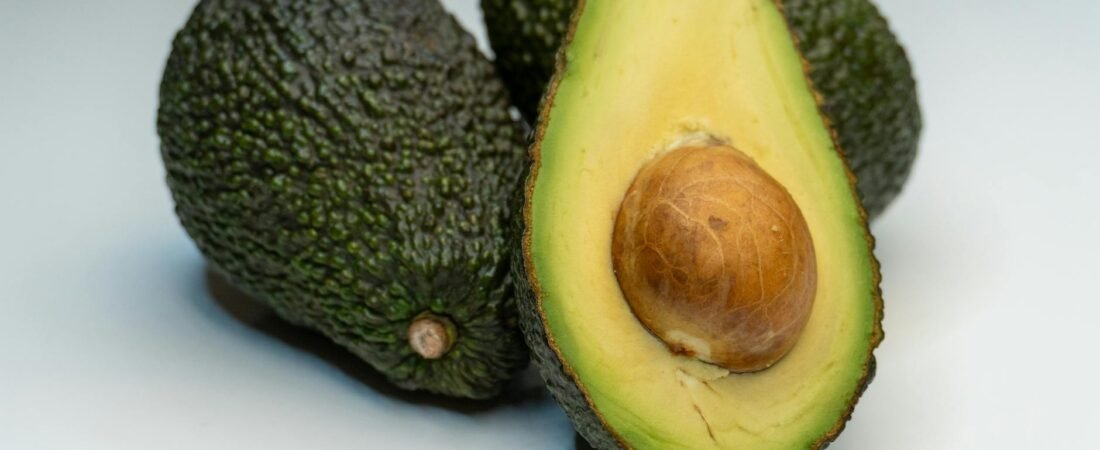
A brown avocado presents a very ordinary kitchen problem with a surprisingly expensive edge. If you throw it out too quickly, you may waste produce that is only oxidized or bruised. If you keep trying to use an avocado that is clearly spoiled, you are taking a food-safety risk to save a dollar or two. The right call is not based on color alone. A thin brown layer on exposed flesh is often just oxidation, while mold, slime, a sour odor, or too much time on the counter are very different signals. (loveonetoday.com)
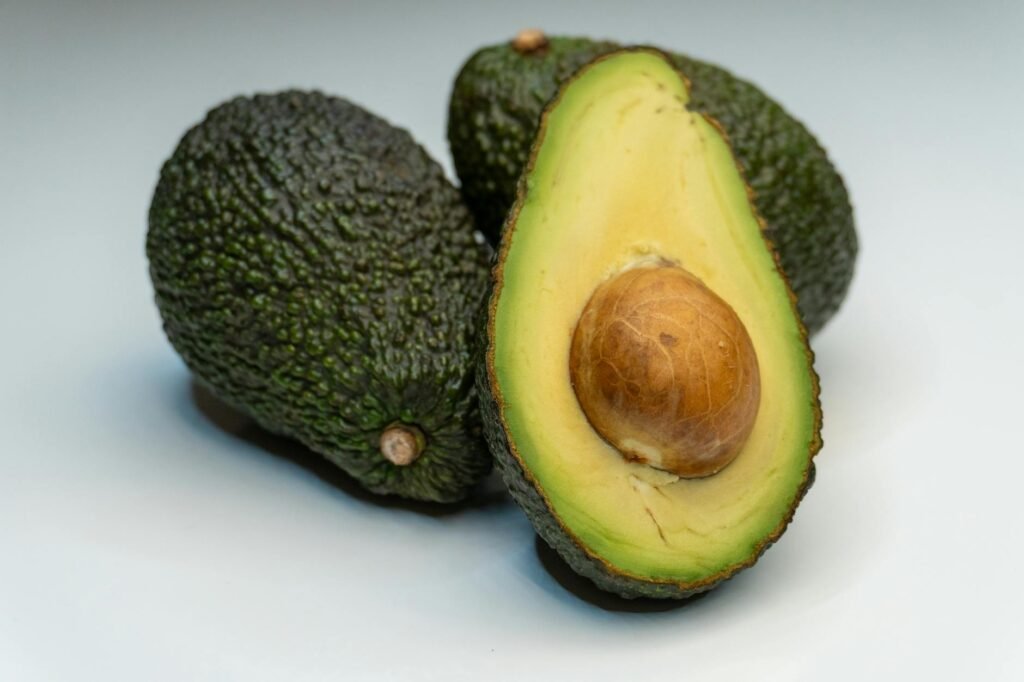
Use the BROWN Check before you decide
This BROWN Checker is one way to help assess the safety of discolouration from actual spoilage quickly for use at the counter (rather than having a long discussion about it). If your avocado has passed all check points, you can trim and use it. If your avocado has failed the smell test, texture test, signs of mould or too much time from the date, you should not continue trying to save it.
- B – Browning pattern: A thin top layer or a few isolated spots usually points to oxidation or bruising. Widespread gray-brown flesh is more concerning. (loveonetoday.com)
- R – Refrigeration and time: If the avocado was cut and then sat out too long, the decision is easy. Fresh-cut fruits and vegetables held in the danger zone for 2 hours or more should be discarded. (fda.gov)
- O – Odor: Fresh avocado should smell mild and clean. A sour, fermented, chemical-like, or rancid odor means toss it. (loveonetoday.com)
- W – Wetness: Creamy is normal. Slimy, sticky, or watery flesh is not. (loveonetoday.com)
- N – New growth: Any fuzzy mold, visible decay, or blackened rot around the stem is a discard signal, not a trim-around-it situation. (extension.umn.edu)
Red-line rule: If the avocado fails O, W, or N, or if it sat out too long after cutting, do not try to save it. If anyone in the household is at higher risk for foodborne illness, be stricter, not more creative. (fda.gov)
What brown avocado usually means
Most brown avocado falls into one of three buckets. First, there is oxidation on exposed flesh after cutting. Second, there is bruising from pressure during transport or handling. Third, there is internal discoloration from cold exposure or vascular browning. These are mostly quality problems. They may look unappetizing, and the browned part may taste a little off, but they are not the same as mold or active spoilage. (loveonetoday.com)
The mistake is assuming every brown patch belongs in the same category. The FDA advises consumers to cut away damaged or bruised areas on produce, but to throw away produce that looks rotten. Extension guidance also warns that most moldy foods should be discarded because contamination can extend below the surface. That matters with ripe avocado, which is soft enough that cutting around a fuzzy patch is the wrong kind of thrift. (fda.gov)
| What you see | Most likely explanation | Better move |
|---|---|---|
| Thin brown film only on the cut side | Oxidation after air exposure. (loveonetoday.com) | Usually safe to salvage. Scrape the top layer and use the green flesh soon if smell and texture are normal. (loveonetoday.com) |
| A few brown spots inside, but most of the flesh is green and normal | Bruising or cold-related discoloration. (loveonetoday.com) | Trim the spots and use the rest. (loveonetoday.com) |
| Brown or black streaks or veins, but surrounding flesh looks fine | Fibers or vascular browning can be cosmetic or quality-related. (loveonetoday.com) | Usually okay to trim around if the rest smells fresh and is not slimy. (loveonetoday.com) |
| Gray-brown flesh throughout, very mushy texture, sour or rancid smell | Overripe or spoiled fruit. (loveonetoday.com) | Throw it away. (loveonetoday.com) |
| Slimy, sticky, or watery flesh | Quality breakdown and likely spoilage. (loveonetoday.com) | Throw it away. (loveonetoday.com) |
| Any visible mold, fuzzy spot, or black decay around the stem | Mold or rot. Most moldy food should be discarded, and soft produce is not a safe cut-around case. (extension.umn.edu) | Discard the whole avocado. (extension.umn.edu) |
| Cut avocado left out more than 2 hours, or more than 1 hour in hot weather above 90°F | Unsafe time-temperature exposure for fresh-cut produce. (fda.gov) | Discard it even if it still looks okay. (fda.gov) |
A money-smart kitchen example
Say a two-person household buys six avocados a week at $1.49 each. That is $8.94. If they throw away two avocados every week just because the cut surface turned brown overnight, they are tossing $2.98 a week, or about $155 a year. But trying to stretch a slimy, sour, obviously spoiled avocado is false savings. The budget-friendly rule is not to eat everything. It is to salvage cosmetic browning and discard clear spoilage. (loveonetoday.com)
How to store half an avocado so it survives tomorrow’s lunch
- Wash the whole avocado under running water before cutting. The FDA says this matters even if you do not eat the peel, because bacteria on the outside can move inside on the knife. If needed, scrub firm produce with a clean brush and dry it. (fda.gov)
- Use clean hands, a clean knife, and a clean cutting board. Keep produce separate from raw meat, poultry, and seafood tools. (fda.gov)
- If you are saving half, keep the skin and pit on, brush the exposed flesh lightly with lemon or lime juice, and press plastic wrap directly against the cut surface or seal it in an airtight container. (loveonetoday.com)
- Refrigerate it promptly at 40°F or below. Do not leave cut avocado on the counter for more than 2 hours, or more than 1 hour if the temperature is above 90°F. (fda.gov)
- When you open it again, use the BROWN Check. If there is only a thin brown layer, scrape it away and check the flesh underneath. If it smells sour, feels slimy, or shows mold, it is done. (loveonetoday.com)
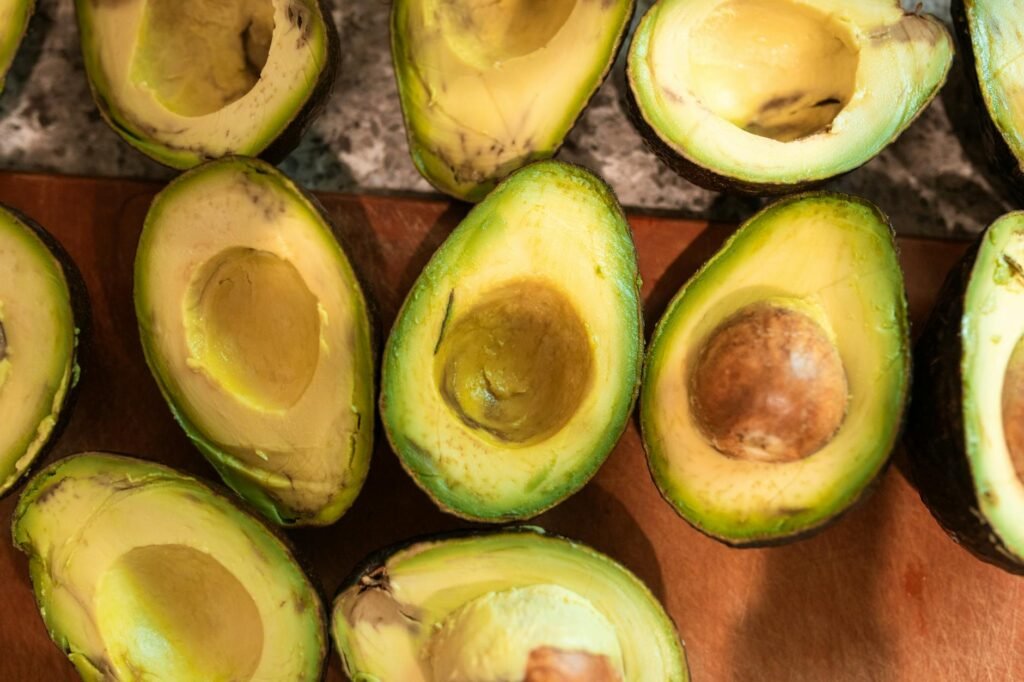
As a general food-safety backstop, University of Minnesota Extension says to keep cut produce at 41°F or below and use it within seven days. In practice, avocado quality usually drops much sooner than that, which is why a cut half is best treated as a use-it-soon item rather than a next-week item. Love One Today says a leftover avocado half can be refrigerated for up to 3 days, depending on ripeness. (extension.umn.edu)
Common mistakes that waste money or raise risk
- Throwing away every brown avocado on sight. Surface browning after cutting is often just oxidation. (loveonetoday.com)
- Using color as the only test. The FDA notes that food can make you sick even when it does not look, smell, or taste spoiled, which is why time, temperature, smell, and texture matter too. (fda.gov)
- Cutting off a moldy patch and saving the rest. Most moldy food should be discarded, especially soft produce. (extension.umn.edu)
- Leaving half an avocado on the counter through lunch and then putting it back in the fridge for later. Fresh-cut fruits and vegetables should not sit in the danger zone for 2 hours or more. (extension.umn.edu)
- Skipping the wash because you do not eat the peel. The FDA specifically advises washing produce before cutting or peeling. (fda.gov)
- Using soap or detergent on the avocado. FDA and extension guidance say plain running water is the correct choice for produce. (fda.gov)
When the first plan is not enough
Sometimes the avocado is not clearly good and not clearly awful. Maybe it has a broad brown patch near the stem, but no mold. Maybe it is too soft for slices but still smells clean. In that gray zone, the best use changes. A cosmetically damaged but still safe avocado may work the same day in a dressing, mash, smoothie, or cooked egg dish better than on toast, where every flaw shows. If you know you will not use it soon, freezing is a better backup than hoping it improves. Love One Today says prepared avocado can be frozen for up to 3 months. (loveonetoday.com)
The backup plan gets stricter after a power outage or in a higher-risk household. FoodSafety.gov says a refrigerator keeps food cold for about 4 hours if unopened, and perishable refrigerated food that has been above 40°F for 2 hours or more should be discarded. The FDA also notes that pregnant people, young children, older adults, and people with weakened immune systems face higher risk from foodborne illness. In those cases, uncertainty is a toss-it signal, not an invitation to experiment. (foodsafety.gov)
How to verify your decision instead of guessing
- Keep a refrigerator thermometer in the main compartment and confirm it stays at 40°F or below. (fda.gov)
- Mark the container or wrap with the day you cut the avocado. Time memory is usually less reliable than people think.
- Check beneath the browned surface before tossing it. If the layer underneath is green and normal, you are looking at oxidation rather than automatic spoilage. (loveonetoday.com)
- Smell before you taste, and never taste anything strange just to test it. Extension guidance says to discard food that looks or smells strange. (extension.umn.edu)
- If you still hesitate after checking time, temperature, smell, texture, and mold, throw it out. The few cents you save are not worth a bad decision.
This article is general food-safety information, not medical advice. If spoiled food may have been eaten and someone develops concerning symptoms, especially in a higher-risk household, contact a qualified clinician. (fda.gov)
Bottom line
A brown avocado is often a quality problem, not automatically a safety problem. Save the ones that are only oxidized or lightly bruised. Throw away the ones with mold, slime, a sour odor, widespread decay, or too much time out of the refrigerator after cutting. That single distinction helps protect both your stomach and your grocery budget. (loveonetoday.com)
Frequently Asked Questions
Can I eat an avocado that is brown only on the surface?
Usually, yes. If the brown is only a thin top layer from air exposure and the flesh underneath is green, smells fresh, and is not slimy, you can scrape away the brown and use the rest. (loveonetoday.com)
What if the avocado is brown inside even though I just opened it?
A few internal spots or streaks can come from bruising or cold-related discoloration, and those areas can often be trimmed away. If the flesh is broadly gray-brown, mushy, slimy, or sour-smelling, discard it. (loveonetoday.com)
Are brown strings or veins in avocado safe?
They can be. Love One Today notes that black streaks and fibers can look unpleasant while the surrounding fruit is still safe to eat. This is a quality issue, not a reason to ignore spoilage signs elsewhere in the fruit. (loveonetoday.com)
Can I save half an avocado overnight?
Yes. Wash it before cutting, keep the skin and pit on the saved half, use a little lemon or lime juice, press wrap directly onto the surface or seal it in a container, and refrigerate promptly. (fda.gov)
Should I cut mold off an avocado and eat the rest?
No. Extension guidance says most moldy food should be discarded, and soft produce is not a good candidate for trimming around mold. If there is visible mold or fuzzy growth, discard the whole avocado. (extension.umn.edu)
Does lemon juice make a questionable avocado safe?
No. Lemon or lime juice can slow browning from oxidation, but it does not reverse spoilage or make up for bad time-temperature handling. If the avocado smells sour, feels slimy, or sat out too long after cutting, it should still be thrown away. (loveonetoday.com)
References
- FDA: Selecting and Serving Produce Safely – https://www.fda.gov/food/buy-store-serve-safe-food/selecting-and-serving-produce-safely
- FDA: Microbiological Surveillance Sampling of Whole Fresh Avocados – https://www.fda.gov/food/sampling-protect-food-supply/microbiological-surveillance-sampling-fy14-16-whole-fresh-avocados
- FDA: Are You Storing Food Safely? – https://www.fda.gov/consumers/consumer-updates/are-you-storing-food-safely
- FDA: People at Risk of Foodborne Illness – https://www.fda.gov/food/consumers/people-risk-foodborne-illness
- FoodSafety.gov: Food Safety in a Disaster or Emergency – https://www.foodsafety.gov/keep-food-safe/food-safety-in-disaster-or-emergency?os=fuzzscan2ODtr
- University of Minnesota Extension: Washing Fresh Fruits and Vegetables Safely – https://extension.umn.edu/food-safety-basics/washing-fresh-fruits-and-vegetables
- University of Minnesota Extension: Safe Food Temperatures – https://extension.umn.edu/food-safety-basics/safe-food-temperatures
- University of Minnesota Extension: Are Molds on Foods Dangerous? – https://extension.umn.edu/preserving-and-preparing/are-molds-foods-dangerous
- Love One Today: How to Store Avocados – https://loveonetoday.com/how-to/store-avocados/
- Love One Today: How to Preserve Avocado Spread – https://loveonetoday.com/how-to/how-to-preserve-avocado-spread/
- Love One Today: Frequently Asked Avocado Questions – https://loveonetoday.com/avocado-how-to/faqs-avocado/
- Hass Avocado Board: Avocado Quality Manual – https://hassavocadoboard.com/wp-content/uploads/Hass-Avocado-Board-Quality-Manual.pdf