TL;DR
- Soggy avocado toast is usually a layering problem, not just a bread problem: pale toast, wet toppings, and trapped moisture work against each other. (sciencedirect.com)
- Use the C.R.I.S.P. Toast Score: Carrier, Ripeness, Insulation, Seasoning, Portion.
- Buy avocados across different stages, let them soften after harvest, then refrigerate ripe fruit and use it within about 1 to 3 days for best quality. (ipm.ucanr.edu)
- Wash the avocado before cutting it, and keep cut produce cold; the FDA says perishable produce should be held at 40°F or below. (fda.gov)
- Lemon or lime can slow browning, but good avocado toast still needs salt, texture, and portion control. (extension.illinois.edu)
- If breakfast will be eaten later, prep the components separately and assemble at the last minute. (fda.gov)
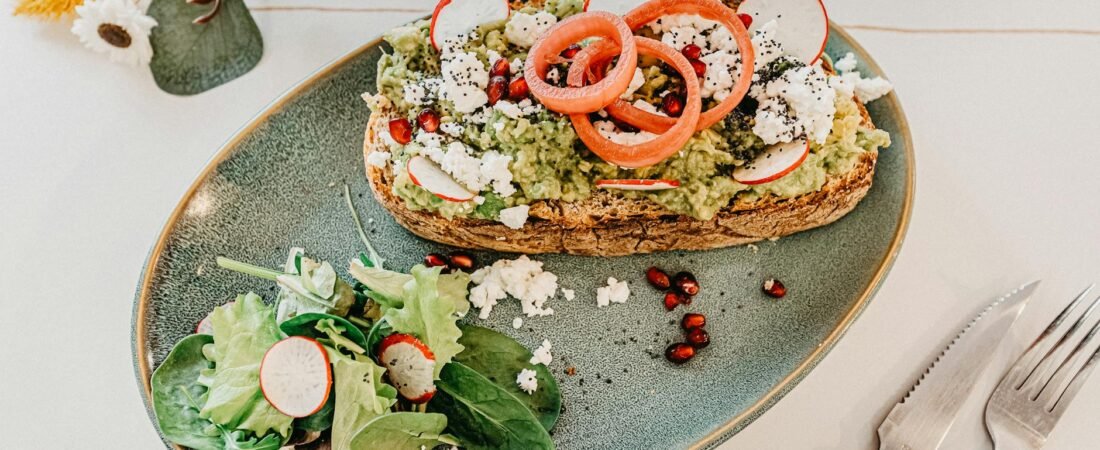
Bad avocado toast feels like a small problem until you pay for good bread and ripe avocados and end up with wet toast, gray-green mash, and a breakfast that somehow tastes both flat and too rich. In most home kitchens, the problem usually is not one dramatic mistake. It is a stack of smaller ones: toast that is too pale, avocado used at the wrong stage, juicy toppings with no moisture barrier, weak seasoning, and portions that are larger than the bread can carry. (sciencedirect.com)
More than just taste, avocado toast can also create food waste. If one slice of your toast has gone dry and you have to throw it away, or if the other half of your plate has not been eaten because it was piled too high, then the cost of each piece was increased by wasting material. Instead of trying to find the ideal recipe for avocado toast, we should be focusing on correcting what did not work at each step of the process.
Use the C.R.I.S.P. Toast Score before you blame the avocado
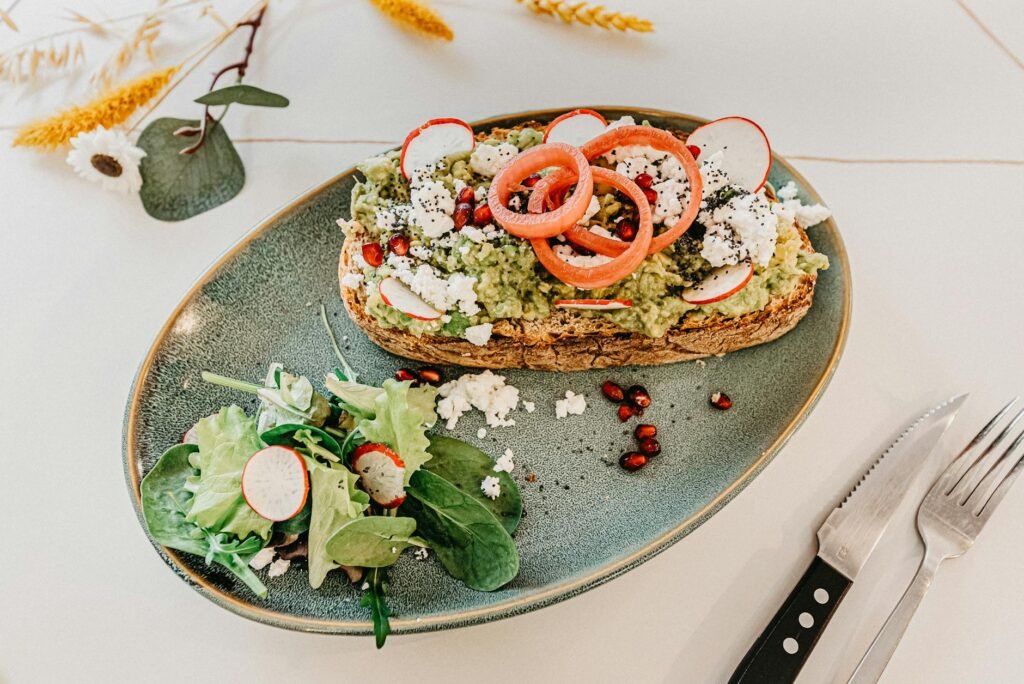
Use the C.R.I.S.P. Toast Score to quickly evaluate your toasting skills on a scale from zero (poor) to two (excellent) for each of the five criteria: Carrier, Ripeness, Insulation, Seasoning, and Portion; a total score of 9-10 indicates a perfect toast; 6-8 indicates potential to salvage with at least one adjustment; 5 or less may have originated prior to adding any avocado to the bread.
- Carrier: Is the bread sturdy, deeply toasted, and dry on the surface?
- Ripeness: Does the avocado yield gently and mash creamy without collapsing into an oily paste?
- Insulation: Is there any protection between wet toppings and crisp bread?
- Seasoning: Did you add salt, acid, and at least one contrast such as crunch, heat, or sharpness?
- Portion: Are you using a moderate layer instead of a mound?
| If your toast does this | Most likely cause | First fix | Money consequence if ignored |
|---|---|---|---|
| Gets soggy by the first bite | Bread too pale or wet toppings on bare toast | Toast darker and add a thin barrier | One wasted slice can erase roughly $1 to $2 of ingredients in a home batch |
| Tastes bland | Not enough salt, acid, or contrast | Season the avocado before it hits the bread | You may keep adding pricey toppings instead of actual flavor |
| Feels heavy | Too much avocado plus too many rich add-ons | Use less avocado and pick one richness booster, not three | More leftovers, more half-eaten breakfast |
| Turns gray fast | Too much air exposure and too much waiting | Add citrus and assemble later | Prep waste rises when looks and texture drop before serving |
Mistake 1: Choosing bread for flavor but not structure
Great avocado toast starts with a slice that can carry moisture. Bread science treats loss of crust crispness and moisture movement as real texture problems, which is why a pale slice softens so quickly once a wet topping lands on it. In practice, that means thin sandwich bread, lightly warmed seeded bread, or soft brioche are risky choices unless you want knife-and-fork toast. Use a slice with real structure, toast it a shade darker than you think, and let it stand for 20 to 30 seconds so surface steam can escape before topping. (sciencedirect.com)
This is a simple home-rule: hearty sourdough, whole grain country bread, or dense (toasted thoroughly) sliced sandwich breads are all acceptable types of carriers for your toppings; use fluffy white bread only for butter and jam….. these types of breads provide the means; your toppings will sit on your bread, and be there for you to enjoy as they are intended.
Mistake 2: Using avocados at the wrong moment
An underripe avocado gives you rubbery lumps and less flavor. An overripe one can feel oily, collapse into the crumb, and sometimes show internal browning. University guidance notes that avocados soften after harvest rather than on the tree, and ripe fruit is generally best used soon after refrigeration. Extended cold exposure can also lead to internal browning or poor ripening. (ipm.ucanr.edu)
For toast, the sweet spot is simple: the fruit should yield to gentle pressure, mash mostly smooth, and still hold a few small pieces. If you shop once a week, buy a mix of firm and nearly ripe avocados instead of four identical ones. That small buying change often cuts waste better than any storage hack. (ipm.ucanr.edu)
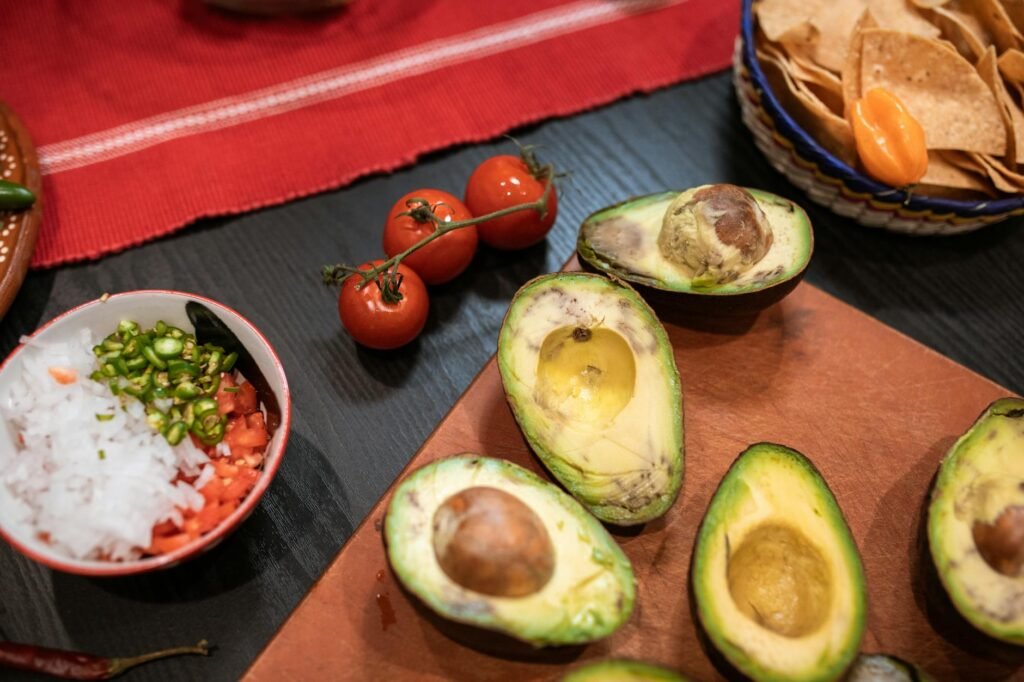
Warning: Wash the avocado under running water before cutting it. The FDA says produce should be washed even when the peel is not eaten, because dirt and bacteria on the outside can be transferred inside by the knife. (fda.gov)
Mistake 3: Putting wet toppings straight on bare toast
This is the classic soggy-toast error. Tomatoes, soft eggs, dressed greens, cucumbers, hot sauce, and salsa all push moisture into the crust. The practical fix is a thin insulation layer between toast and avocado, or between avocado and the wet topping: a light swipe of butter, cream cheese, hummus, labneh, or even oil brushed on the toast. The goal is not extra richness. It is moisture control, and that is exactly the kind of texture issue moisture-migration research warns about. (sciencedirect.com)
Use a paper towel or remove the seeds from tomatoes before adding them to avocado toast to prevent soggy bread. For eggs, cook them long enough that the yolk is still soft but not liquid. When adding hot sauce, a drop or two is enough. You’ve made the effort to use fresh ingredients; why not ensure that they stay that way? Moisture control is not a matter of being a picky chef; it’s just good culinary practice.
Mistake 4: Treating lemon as seasoning when it is only part of seasoning
Citrus helps. Illinois Extension notes that lemon, lime, and other juices high in vitamin C can slow browning in cut fruit. But that does not mean lemon alone makes avocado toast taste finished. Avocado still needs salt for definition and some kind of contrast, such as black pepper, red pepper flakes, radish, pumpkin seeds, pickled onion, or everything-bagel seasoning. (extension.illinois.edu)
- Per slice, start with about 1/3 to 1/2 avocado.
- Add a pinch of kosher salt before mashing or spreading.
- Use 1 to 2 teaspoons of lemon or lime, not a soak.
- Finish with one contrast: crunch, heat, or sharp acid.
- Taste before adding extra fat like oil or cheese.
Mistake 5: Making a rich food even heavier
When you add a lot of different things to your avocado toast, it can go from being a nice balance for breakfast to weighing you down and making you sleep an extra hour at lunchtime. An example of this might be having a stack of food on top of the bread that looks like this: Depending on what you put on your food, it can work; however, all of those things working together generally makes for heavy and greasy avocado toast. The heaviness of all those foods is greater than the amount of contrast each food gives, so therefore you have food that is both heavy and greasy.
Only add one rich booster, so either avocado with an egg or avocado with feta or avocado with olive oil, but usually not all three at once. Keep all avocado portions small to avoid an overly large sandwich, except when using very large bread. If you prefer to have larger meals, serve fruit or yogurt separately instead of making a tall sandwich.
A realistic two-person home version might use 4 slices of bread at $0.38 each, 2 avocados at $1.69 each, 2 eggs at $0.30 each, and half a lemon at about $0.35. That comes to roughly $5.85 for 4 toasts, or about $1.46 each, before any cheese or bacon. Toss one soggy slice and the cost per eaten toast jumps to about $1.95. The texture mistake becomes a money mistake fast.
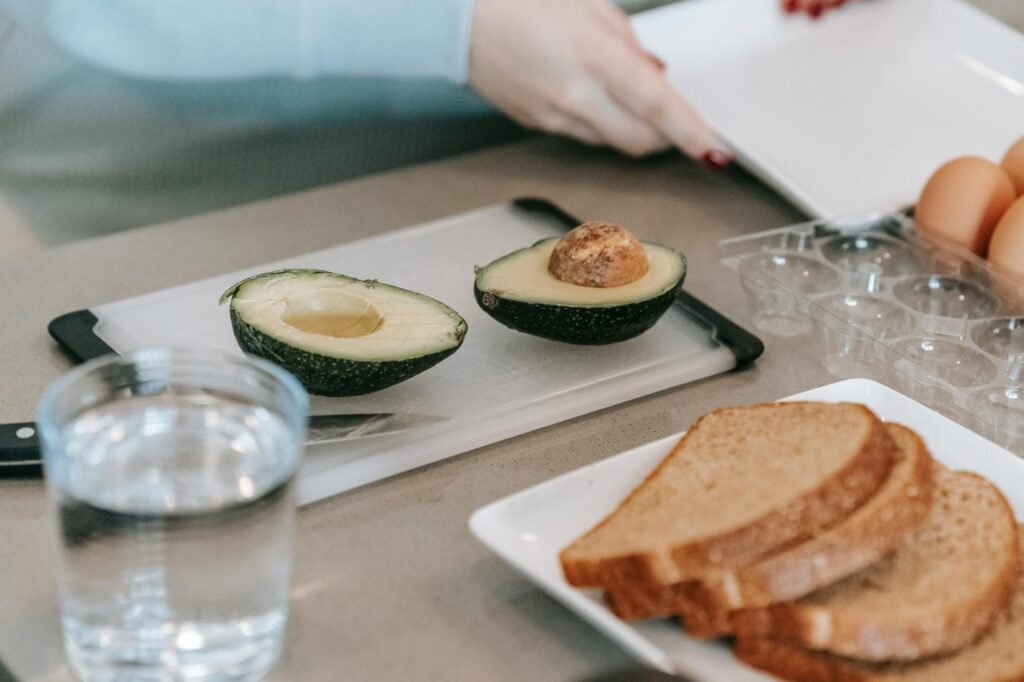
Note: Those numbers are illustrative, not market-wide averages. The point is the waste math. One failed slice changes the cost of breakfast more than most people expect.
A 7-minute avocado toast reset
- Toast sturdy bread until deeply golden, then let it stand for 20 to 30 seconds.
- Wash and dry the avocado before cutting. (fda.gov)
- Use 1/3 to 1/2 avocado per slice; mash with salt and a small squeeze of citrus.
- Spread a thin barrier if your toppings are wet.
- Add the avocado in an even layer, not a mound.
- Choose one rich add-on and one bright or crunchy add-on.
- Eat immediately. If serving later, hold the components separately and refrigerate cut produce. (fda.gov)
Common mistakes that keep repeating
- Using bread that is warm but not fully toasted.
- Spreading avocado over toast that is still steaming.
- Using a whole avocado on a regular slice.
- Adding tomato, cucumber, or hot sauce without blotting or a barrier.
- Leaving the avocado unseasoned until after it is already on the bread.
- Trying to hide bland avocado with more cheese or more oil.
- Making avocado toast 30 minutes ahead and expecting it to stay crisp. (fda.gov)
- Cutting through an unwashed avocado rind. (fda.gov)
When the avocado itself is the problem
Sometimes the method is fine and the fruit is the miss. If the flesh is stringy, watery, gray near the skin, or bland no matter how you season it, stop trying to rescue it with more toppings. Use that avocado in a bean mash, fold it into a dressing, or skip it entirely and make toast with ricotta, hummus, or cottage cheese instead. UC Davis notes that avocados can show chilling injury and internal browning after improper cold storage, and the FDA recommends discarding produce that looks rotten. (postharvest.ucdavis.edu)
The make-ahead limit matters too. Full avocado toast is not a strong meal-prep breakfast because crisp bread and cut produce want opposite things. Bread wants dry time. Cut produce wants cold storage and quick use. If you need a desk breakfast, carry toasted bread, seasoned avocado, and wet toppings separately, then assemble right before eating. (fda.gov)
How to pressure-test your version before it becomes your default
Perform a two-slice test once to gain knowledge equivalent to ten recipes. Slice one of your old methods using the same method you currently use. For the second slice – try three methods of your choosing – dark toasted, thinner sliced avocado and one moisture barrier – for five minutes on counter. Compare both slices for crust, flavor clarity and the ability of both slices to bend when lifted. The superior of the two will be your house method.
- If the bread bends, toast longer or switch loaves.
- If the flavor reads flat, add salt before more toppings.
- If it tastes heavy, reduce avocado first, not acid.
- If it browns too fast, add citrus earlier and assemble later. (extension.illinois.edu)
- If it still fails, fruit quality is likely the issue, not your technique. (ipm.ucanr.edu)
Bottom line
The best avocado toast is not lavish. It is controlled. Strong toast, correctly ripe avocado, a moisture barrier when needed, real seasoning, and a sensible portion size solve most problems. If you remember one rule, make it this: build avocado toast like a crisp base with a light topping, not like a soft pile on bread. (sciencedirect.com)
FAQ
Should I slice the avocado or mash it for toast?
Mashing is usually better because it lets you distribute salt and citrus evenly and avoids thick, slippery pieces. Use slices only when the avocado is perfectly ripe and the layer stays thin.
How do I keep avocado toast from turning brown during brunch?
Citrus can slow browning, but timing matters more. Mash close to serving, keep air off any leftovers as much as possible, and assemble the toast at the last possible minute. Illinois Extension notes that lemon and lime juice can slow browning in cut fruit. (extension.illinois.edu)
Do I really need to wash an avocado?
Yes. The FDA recommends washing produce before eating or cutting it, even when the peel is not eaten, because contamination on the outside can be carried inside by the knife. (fda.gov)
Can I make avocado toast the night before?
Not if texture matters. The FDA says perishable produce should be kept at 40°F or below, and Oklahoma State Extension says cut fruits and vegetables should be refrigerated within 2 hours. Those are food-safety basics, but even with safe storage, fully assembled toast loses crispness. Prep the parts separately instead. (fda.gov)
What bread works best if I only buy grocery-store sandwich bread?
Pick the densest loaf in the aisle, toast it harder than usual, keep the avocado layer thin, and skip very wet toppings. Double-toasting can help if the first pass only warms the slice.
Why does my avocado taste bland even when it looks ripe?
Ripeness and flavor are related but not identical. Avocados soften after harvest, yet some fruit still tastes weak or watery. If salt and citrus do not wake it up, change the fruit or use another spread rather than burying it under cheese. (ipm.ucanr.edu)
References
- FDA: Selecting and Serving Produce Safely – https://www.fda.gov/food/buy-store-serve-safe-food/selecting-and-serving-produce-safely
- FDA: Are You Storing Food Safely? – https://www.fda.gov/consumers/consumer-updates/are-you-storing-food-safely
- Oklahoma State University Extension: Storing Fresh Produce for Best Flavor – https://extension.okstate.edu/programs/oklahoma-gardening/recipes/storing-fresh-produce-for-best-flavor
- UC IPM: Harvesting and Storing Avocados – https://ipm.ucanr.edu/home-and-landscape/harvesting-and-storing-avocados/
- UC Davis Postharvest Research and Extension Center: Avocado – https://postharvest.ucdavis.edu/produce-facts-sheets/avocado
- Illinois Extension: Tips for Preventing Apples from Turning Brown – https://extension.illinois.edu/news-releases/tips-preventing-apples-turning-brown
- ScienceDirect: Bread Staling – https://www.sciencedirect.com/science/chapter/edited-volume/abs/pii/B9780857090607500231