TL;DR
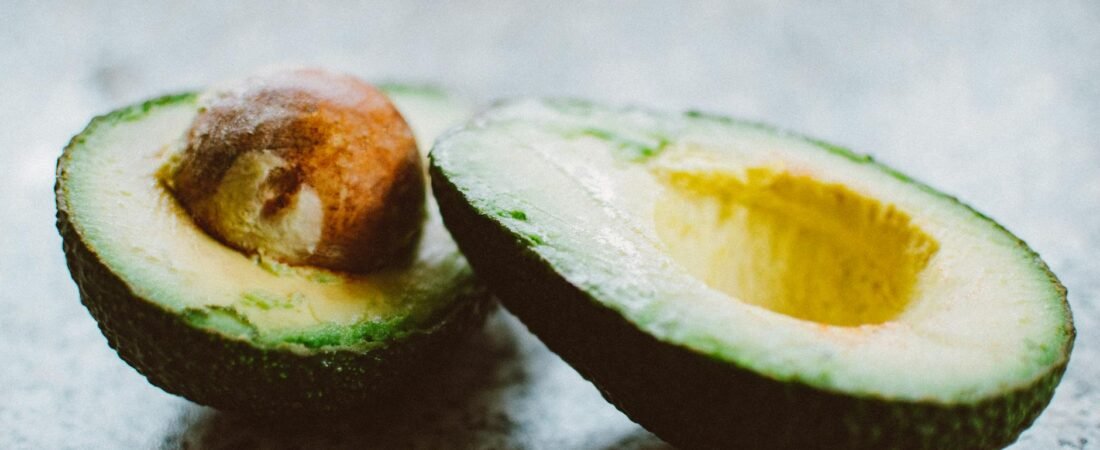
- Yes, avocado can be a healthy food. A USDA/SNAP-Ed entry for 1 avocado (201g) lists 322 calories, 29 grams of total fat, 4 grams of saturated fat, and 14 grams of fiber. (snaped.fns.usda.gov)
- The strongest nutrition case for avocado is not that it is low in calories. It is that its fat quality is better than many saturated-fat-heavy foods, and it also provides meaningful fiber. FDA materials list avocados as a source of monounsaturated fat, and federal guidance recommends replacing saturated fat with unsaturated fats. (accessdata.fda.gov)
- For many everyday meals, 1/4 to 1/2 avocado is a practical starting portion. A whole avocado can make sense, but it usually works best when it replaces other fats rather than being stacked on top of them. This is an editorial inference based on the calorie load of a full avocado and federal guidance on calories, serving size, and fat quality. (snaped.fns.usda.gov)
- If you want the shortest decision rule, ask two questions: What is the avocado riding on, and what is it replacing? That tells you more than the word “healthy” ever will. (dietaryguidelines.gov)
Avocado has a reputation that is partly deserved and partly oversimplified. It is a whole food with unsaturated fat and a notable amount of fiber, which makes it very different from foods high in saturated fat and low in fiber. At the same time, it is not a “free” topping. A whole avocado in the USDA/SNAP-Ed listing carries 322 calories, which means portion size matters if you are trying to manage total intake, lose weight, or keep a meal balanced. (snaped.fns.usda.gov)
So, is avocado healthy? For most people, yes, especially when it replaces foods that are heavier in saturated fat. But “healthy” depends on context. Avocado on a vegetable-heavy lunch bowl is not the same as avocado added to a large meal that already has bacon, cheese, chips, and creamy dressing. The food matters, but the food around it matters too. (accessdata.fda.gov)
This article is informational, not medical advice. If you have a digestive condition, food allergy, kidney disease, or a clinician-directed diet, ask your doctor or a registered dietitian how avocado fits into your plan.
What avocado actually gives you
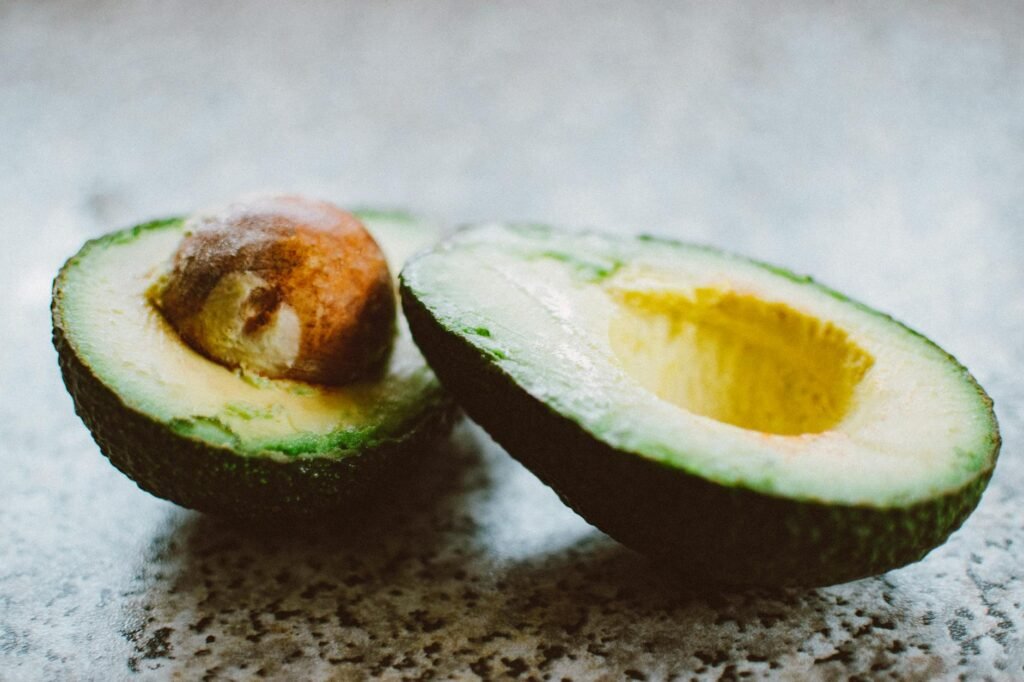
Using the USDA/SNAP-Ed nutrition entry for 1 avocado at 201 grams, you get 322 calories, 29 grams of total fat, 4 grams of saturated fat, 17 grams of carbohydrate, and 14 grams of fiber. That fiber number is a big reason avocado is nutritionally useful: FDA sets the Daily Value for fiber at 28 grams, so one full avocado provides about half of that benchmark, and half an avocado provides about one-quarter. (snaped.fns.usda.gov)
The fat story matters too. FDA nutrition education materials list avocados among foods that provide monounsaturated fat, and federal guidance says the type of fat matters more than the raw total alone. The Dietary Guidelines also advise people age 2 and older to limit saturated fat to less than 10 percent of calories by replacing it with unsaturated fats. That does not make avocado magic. It does mean avocado is a very different choice from butter-heavy or cheese-heavy add-ons. (accessdata.fda.gov)
| Portion | Approx. calories, fat, and fiber | Where it usually works best | What to watch |
|---|---|---|---|
| 1/4 avocado | About 81 calories, 7.3g fat, 3.5g fiber | Sandwiches, tacos, egg dishes, side salads | Easy to undercount if the meal already has oil, cheese, or nuts |
| 1/2 avocado | About 161 calories, 14.5g fat, 7g fiber | A strong default for many breakfasts and lunches | Can still stretch a smaller calorie budget if the rest of the meal is rich |
| 1 avocado | 322 calories, 29g fat, 14g fiber | Best when avocado is acting as a meal anchor or replacing other fats | Less practical when it is just an extra layer on an already heavy meal |
Use the AVO Test before you cut one open
To assess avocado quality easily, use the AVO method – amount, vehicle, offset – for 10 seconds each time you purchase an avocado. This will ensure that you do not think of avocados simply because they came from the produce section as being healthy to eat.
- Amount: Pick the portion first. Quarter, half, or whole should be a decision, not something that happens by default after you start slicing.
- Vehicle: Ask what the avocado is riding on. Avocado with vegetables, beans, or a leaner sandwich is a different meal from avocado on buttery toast with bacon and cheese.
- Offset: Ask what avocado is replacing. If it is replacing some butter, mayo, cheese, or another higher-saturated-fat add-on, the nutrition trade-off is more favorable. If it is replacing nothing, you are mostly adding calories. (dietaryguidelines.gov)
A quick rule of thumb: start at 1/4 avocado when the meal already has another fat source, 1/2 avocado when it is one of the main fats in the meal, and consider a whole avocado only when it is doing real work as a replacement, not just showing up as an extra. That is an inference, not a medical rule, but it matches the calorie math and the federal emphasis on choosing foods lower in saturated fat and higher in fiber. (snaped.fns.usda.gov)

When avocado is genuinely helping your meal
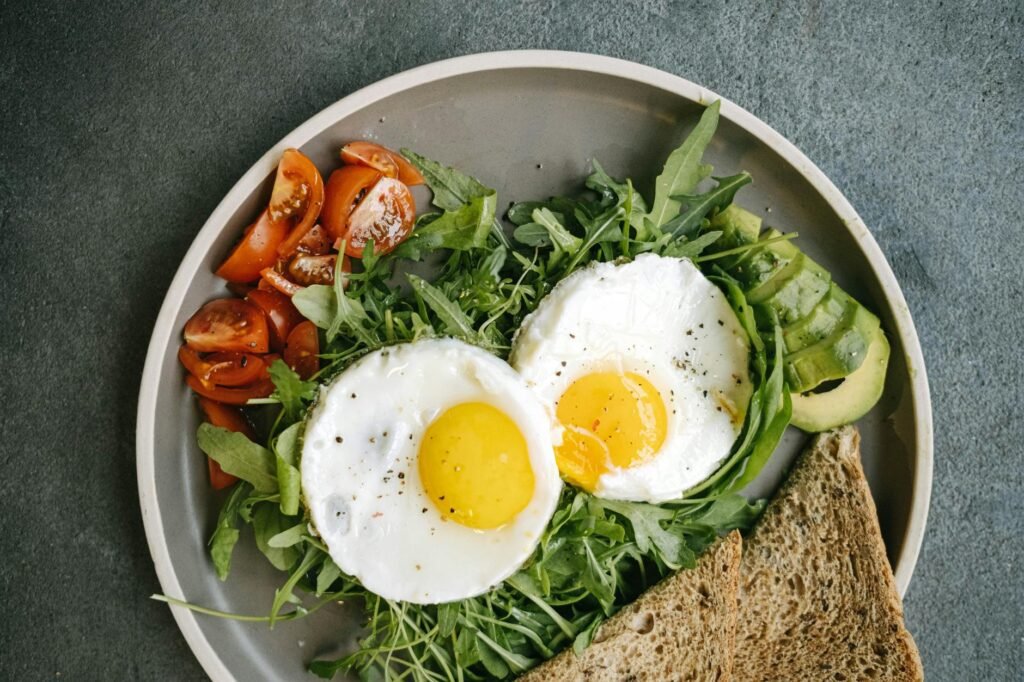
Avocado earns its place most clearly in three situations. First, it can help shift a meal toward unsaturated fat when it replaces foods that are heavier in saturated fat. Second, it adds fiber to meals that would otherwise be mostly refined starch or low-fiber toppings. Third, it can make a leaner meal feel complete enough that you do not go hunting for another snack an hour later. That last point is part of why avocado gets a health halo, but the first two reasons are the more concrete ones. (accessdata.fda.gov)
A realistic lunch example with numbers
Say you are trying to keep lunch around 500 to 600 calories. If you use half an avocado, you spend about 161 calories on that ingredient and still have room for protein, vegetables, and a starch or grain. If you use a whole avocado, you are spending 322 calories before the rest of the plate is built. That can still fit, but it usually works best when the avocado is replacing another spread or fat source rather than sitting on top of an already full meal. (snaped.fns.usda.gov)
This is where many people get tripped up. They ask whether avocado is healthy, but the more useful question is whether this version of the meal is healthier than the version without it. Avocado can absolutely improve a meal. It can also quietly turn a moderate lunch into a very large one. (fda.gov)
Where the health halo can mislead you
The main mistake is assuming that healthy fat means unlimited fat. FDA notes that calories are energy from all sources, and avocado still has plenty of them. Another mistake is ignoring serving size. FDA is explicit that serving sizes on labels reflect what people typically consume, not what they should consume, and one package can contain more than one serving. That same mindset applies to avocado-based foods like guacamole cups, avocado mash packets, and restaurant sides. (fda.gov)
If avocado still is not enough
Sometimes the first plan fails. Maybe half an avocado on toast leaves you hungry too soon. Maybe a whole avocado feels too heavy. Maybe increasing fiber quickly upsets your stomach. MedlinePlus notes that fiber can help with fullness and digestion, but also warns that increasing it too fast can cause gas, bloating, and cramps. In those cases, the fix usually is not “eat endless avocado.” It is to keep the portion sensible, then improve the rest of the meal with protein, beans, vegetables, or a more substantial base. (medlineplus.gov)
- Start with 1/4 to 1/2 avocado if you are unsure.
- Keep the avocado portion steady for a few meals instead of changing everything at once.
- If the meal feels too small, upgrade the rest of the plate before doubling the avocado.
- If higher fiber bothers your stomach, increase gradually rather than jumping from none to a whole avocado at once. (medlineplus.gov)
Common mistakes
- Treating avocado as calorie-free because it is a whole food. A whole avocado in the USDA/SNAP-Ed entry is 322 calories. (snaped.fns.usda.gov)
- Focusing only on total fat. FDA says the type of fat matters, and avocados are listed as a source of monounsaturated fat. (accessdata.fda.gov)
- Ignoring the carrier food. Avocado can improve a meal, but it cannot cancel out everything else piled onto the plate.
- Using serving size as a commandment. FDA says serving size reflects what people typically eat, not what they should eat. (fda.gov)
- Adding avocado without subtracting anything else, then wondering why the meal got much larger. (fda.gov)
How to verify the advice for your own plate
Good nutrition advice should survive contact with your actual routine. The easiest way to pressure-test avocado is to stop arguing in the abstract and measure what you are eating for one week. You do not need to do it forever. You only need enough data to see whether your default portion is helping or hurting. (fda.gov)
- Pick one default portion for the week: 1/4, 1/2, or 1 whole avocado.
- If you are using a packaged avocado product, read the serving size and servings per container first. FDA says those numbers are the starting point for understanding calories and nutrients. (fda.gov)
- If you want a quick nutrition check, compare fiber and saturated fat with % Daily Value. FDA says 5% DV or less is low and 20% DV or more is high. (fda.gov)
- Notice what happens three to four hours later. Were you satisfied, or did the meal need better balance elsewhere?
- At the end of the week, keep the portion that fits your appetite and calorie needs without making the meal feel stripped down.
Bottom line
Avocado is healthy for many people, but not because it is low in calories. It is healthy because it provides unsaturated fat and meaningful fiber, and because it can improve a meal when it replaces more saturated-fat-heavy choices. For many everyday meals, 1/4 to 1/2 avocado is a practical default. A whole avocado can fit too, but it makes the most sense when it is doing a real replacement job, not just adding another layer to an already rich plate. (accessdata.fda.gov)
FAQ
Is avocado healthy if I am trying to lose weight?
Yes, it can be. The catch is portion size. A whole avocado in the USDA/SNAP-Ed entry is 322 calories, while half is about 161. Avocado can fit into a weight-loss plan, especially when it replaces another fat source instead of being added on top of one. (snaped.fns.usda.gov)
Is one avocado a day too much?
Not automatically. It depends on your calorie needs, what else you eat that day, and whether avocado is crowding out other foods. One whole avocado in the USDA/SNAP-Ed entry provides 29 grams of fat, 4 grams of saturated fat, and 14 grams of fiber, so it is substantial. (snaped.fns.usda.gov)
Is avocado fat actually a healthier kind of fat?
In general, yes. FDA materials list avocados as a source of monounsaturated fat, and federal guidance recommends replacing saturated fat with unsaturated fats. That is the key point: avocado is most useful when it improves the fat mix of the meal, not when it simply adds more fat overall. (accessdata.fda.gov)
Is half an avocado a reasonable portion?
For many meals, yes. Based on the USDA/SNAP-Ed entry, half an avocado is about 161 calories and 7 grams of fiber. That is a meaningful amount without automatically turning avocado into the main calorie source of the meal. This is an editorial guideline, not a medical rule. (snaped.fns.usda.gov)
Does guacamole count the same as plain avocado?
Sometimes, but you have to check. Once other ingredients are added, the serving size and the nutrition profile can change. FDA advises paying attention to serving size and servings per container before comparing foods. (fda.gov)
References
- USDA SNAP-Ed: Avocados nutrition information – https://snaped.fns.usda.gov/resources/nutrition-education-materials/seasonal-produce-guide/avocados
- FDA: Daily Value on the Nutrition and Supplement Facts Labels – https://www.fda.gov/food/nutrition-facts-label/daily-value-nutrition-and-supplement-facts-labels?apid=37930398&rvid=53bf11102c60035374476a84f6a52bdaada05ad855475c9a438ce18e95f04b96
- FDA: Interactive Nutrition Facts Label – Monounsaturated and Polyunsaturated Fats – https://www.accessdata.fda.gov/scripts/interactivenutritionfactslabel/assets/InteractiveNFL_MUFA%26PUFA_October2021.pdf
- Dietary Guidelines for Americans: Most Popular Questions – https://www.dietaryguidelines.gov/most-popular-questions
- FDA: Serving Size on the Nutrition Facts Label – https://www.fda.gov/food/new-nutrition-facts-label/serving-size-new-nutrition-facts-label
- FDA: What’s on the Nutrition Facts Label – https://www.fda.gov/food/nutrition-facts-label/whats-nutrition-facts-label
- FDA: Calories on the Nutrition Facts Label – https://www.fda.gov/food/nutrition-facts-label/calories-nutrition-facts-label
- MedlinePlus: Dietary Fiber – https://medlineplus.gov/dietaryfiber.html
- American Heart Association: Fats in Foods – https://www.heart.org/en/healthy-living/healthy-eating/eat-smart/fats/monounsaturated-fats