TL;DR
- Use the SAVE test before you do anything: Surface, Air, Value, Eating window. It helps you decide whether each avocado should be sliced, mashed, blended, or frozen.
- If an avocado is ripe and still sliceable, refrigerate it whole and plan to use it within about 2 to 3 days. If it is already cut, use citrus plus tight wrapping or an airtight container. (californiaavocado.com)
- If an avocado is very soft, stop trying to save pretty slices. Turn it into a sandwich spread, dressing, dip, or freezer mash. The California Avocado Commission recommends mashed avocado with lemon juice for freezing and does not recommend freezing halves unless you can vacuum seal them. (californiaavocado.com)
- The pit is not the real anti-browning trick. Limiting air exposure is. Press wrap directly on the surface of mashed avocado or guacamole if you want the color to hold better. (californiaavocado.com)
- Treat cut avocado like other perishable produce: refrigerate promptly, keep the fridge at 40°F or below, and do not leave avocado-based foods out for more than 2 hours, or 1 hour if it is above 90°F. (fda.gov)
Avocados are one of those groceries that can quietly create a small but repeatable budget leak. You buy a bag because the price looks good, one stays hard, three ripen at once, and suddenly dinner has to revolve around guacamole. The EPA says preventing wasted food at home saves money, and the average family of four spends almost $3,000 a year on food that never gets eaten. Avocados add to that problem because once they ripen, the usable window gets short. The fix is not a clever social media hack. It is simple triage: decide which avocado is for slices, which is for mash, and which should go straight to the freezer. (epa.gov)
Start with the SAVE test
The SAVE test is a quick way to rescue ripe avocados without overthinking it. You can use it in under 30 seconds at the counter.
- S = Surface. Mostly green flesh can still work for slices. A thin brown film on an exposed cut face is usually a quality issue, not an automatic disaster. Produce that looks rotten is not a rescue project. (californiaavocado.com)
- A = Air. Whole avocados still have some time. Cut halves and mashed avocado need oxygen control right away because browning starts once the flesh is exposed. (californiaavocado.com)
- V = Value. Ask what texture you actually need. Clean slices, chunky mash, and smooth sauce are three different jobs.
- E = Eating window. Are you using it tonight, tomorrow, or later this week? If the answer is not soon, freezing beats wishful thinking.
| What you have | Best use | Best storage move | Why this is the smart play |
|---|---|---|---|
| Just-ripe avocado, mostly green, holds its shape | Slices for toast, tacos, salads, grain bowls | Refrigerate whole. CAC says uncut ripe avocados usually hold about 2 to 3 days in the fridge. (californiaavocado.com) | You protect the best texture for meals where appearance matters. |
| Cut half, still green but exposed | Next-day lunch, sandwich, wrap, quick snack plate | Brush with lemon, lime, or a little vinegar; wrap tightly against the surface or use an airtight container, then refrigerate. (californiaavocado.com) | Good short-term save when you only used half. |
| Very soft avocado with no sign of rot | Mash, dressing, dip, smoothie, pasta sauce, sandwich spread | Mash with a little lemon juice and freeze in small portions. CAC suggests mashed avocado for freezing and says halves are not recommended unless vacuum sealed. (californiaavocado.com) | Soft texture stops being a flaw once the avocado is blended or spread. |
| Browned top layer on refrigerated guacamole | Scrape the surface, then use the greener layer underneath | Press wrap directly on the surface next time to limit oxygen exposure. (californiaavocado.com) | This saves food that is cosmetically tired but still usable. |
| Produce that looks rotten | Discard | FDA advises throwing away produce that looks rotten. (fda.gov) | Not every sunk cost should be chased. |
Three storage rules matter more than gimmicks. Ripen hard avocados at room temperature, refrigerate them only once they are ripe or soft, and protect cut flesh from both air and warm temperatures. Also, do not keep ripe avocados piled next to bananas and apples any longer than necessary. As avocados ripen, ethylene exposure can speed up ripening in nearby produce too. (californiaavocado.com)
A realistic grocery example with numbers
Suppose you purchased a pack of five avocados for 1.00, or 0.20 per avocado. By Tuesday, three of them were ripe with two close behind. If they were not eaten before the weekend, you would lose two avocados for a total of three lost. This will increase your total food waste without considering the bread, eggs, tortillas or salad ingredients which you wanted to use with them.
A better move is to assign jobs right away. Use one avocado for taco bowls that night. Refrigerate one whole for Thursday lunches. Mash two with lime and freeze them in four 1/4-cup portions for future wraps, dressings, or smoothies. Keep the last one away from other ripening fruit so you are not speeding up the whole produce drawer. That is the difference between “I bought avocados” and “I actually used the avocados I bought.” (epa.gov)
The best low-waste uses for ripe avocados
Keep the best-looking one for clean slices
If an avocado yields gently and the flesh is still bright and structured, save it for meals where shape matters: toast, BLTs, rice bowls, tacos, salads, or burgers. Keep it whole until close to serving time. That usually buys you more quality than cutting it early. The California Avocado Commission says ripe avocados can be stored uncut in the refrigerator for about 2 to 3 days, while cut fruit should be treated with citrus or vinegar, wrapped tightly or kept airtight, and refrigerated. (californiaavocado.com)
Turn the next one into a lunch spread
A slightly softer avocado is ideal for lunch insurance. Mash it with lime and salt, then use it as a spread for turkey sandwiches, bean wraps, quesadillas, or open-faced sourdough with canned salmon or hard-boiled eggs. It also works as a partial mayo swap in egg salad or chickpea salad. If you are not eating it right away, protect the surface from air. CAC notes that pressing plastic wrap directly on guacamole is the real preservation move; the pit does not have special anti-browning power. (californiaavocado.com)
Blend the softest one into sauce instead of forcing slices
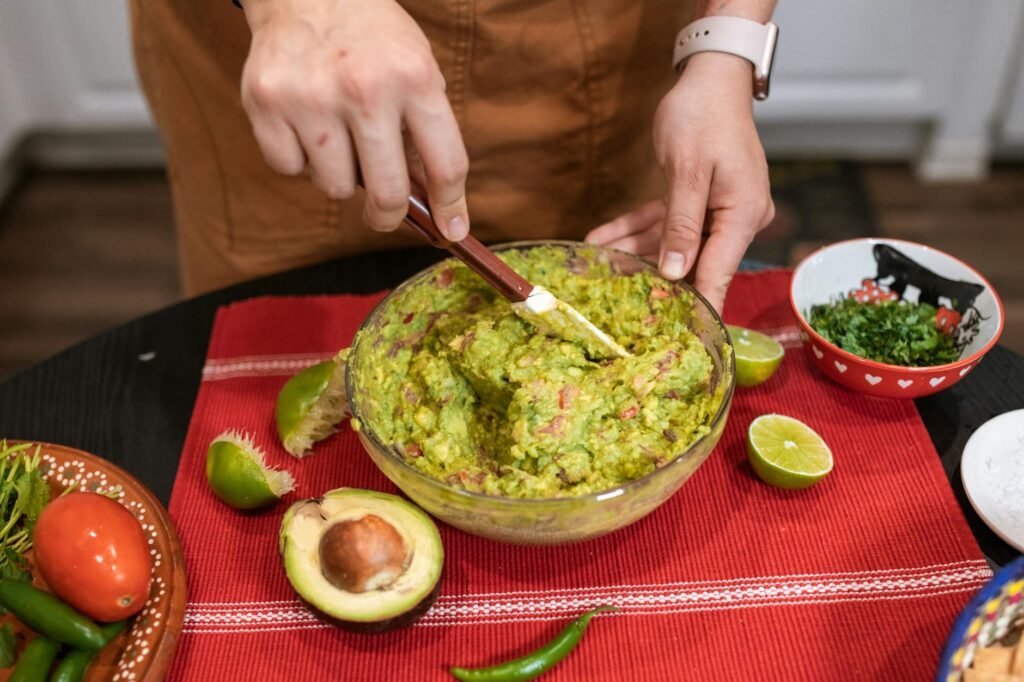
When an avocado becomes overly soft through use or age, do not continue to use it as a slicer; use it in other forms. Try blending the avocado with fresh salsa, lime juice, and chopped romaine leaves and then blending the mixture into a dressing by adding water and vinegar. Additionally, you can stir in an avocado with cooked pasta by adding garlic and lemon juice. Finally, if an avocado is too soft, you may want to use it in a smoothie instead of just throwing it out. This is a very inexpensive way to save food by using an item in a way that matches its current physical properties, rather than just throwing it out because it is no longer suitable for use in a restaurant.
Freeze mash in small portions for future meals
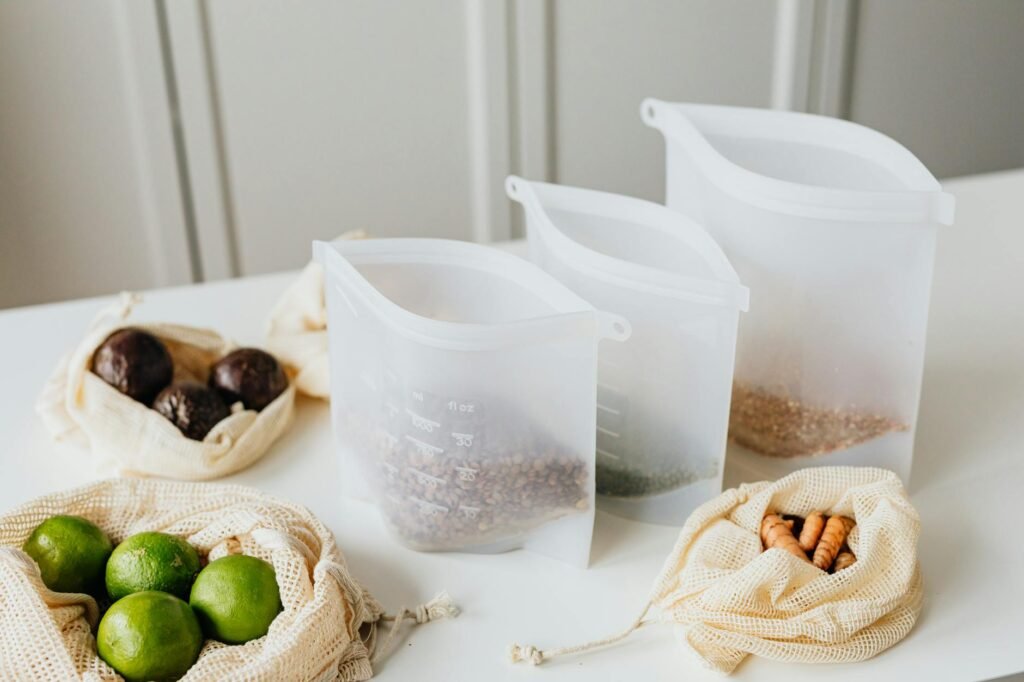
If you know the avocado is not getting eaten in the next day or two, freeze it before it turns into a regret purchase. Mash with a little lemon juice, flatten it in small freezer bags, or spoon it into silicone trays in measured portions. In practice, this is usually smarter than freezing halves because you can push out more air and thaw only what you need. CAC specifically recommends mashed avocado with lemon juice in small bags, says frozen whole avocados should be used right after thawing because they can get mushy and brown, and does not recommend freezing halves unless you have a vacuum sealer. (californiaavocado.com)
A 10-minute avocado rescue routine
- Wash and dry the avocados before cutting. The FDA says produce should be washed before peeling or cutting so dirt and bacteria on the outside are not transferred with the knife. (fda.gov)
- Sort them into three groups: slice today, mash tomorrow, freeze now.
- Refrigerate the best whole ripe avocado first. CAC recommends chilling ripe or soft avocados, not hard ones. (californiaavocado.com)
- For any cut piece, add lemon, lime, or a little vinegar and seal out air with tight wrap or an airtight container. (californiaavocado.com)
- Turn the softest avocado into a planned use right away: sandwich spread, dip, dressing, or smoothie base.
- Portion freezer mash before storing. Small portions are easier to use and reduce the odds that thawed avocado sits around again.
- Move ripe avocados away from apples, bananas, pears, and other ripening fruit if you are trying to slow the chain reaction in your kitchen. (epa.gov)
- Refrigerate or freeze anything you are not eating soon, and keep the refrigerator at 40°F or below. (fda.gov)
Common mistakes that waste money
- Buying a large bag with no use plan. A bulk deal is only a deal if you can eat, store, or freeze the fruit before the ripe window closes. The EPA recommends planning, prepping, and storing food well to reduce waste at home. (epa.gov)
- Refrigerating hard avocados too soon. CAC says to refrigerate only ripe or soft avocados. (californiaavocado.com)
- Relying on the pit to save guacamole. CAC says oxygen control is what matters. (californiaavocado.com)
- Trying to preserve presentation-grade slices from fruit that is already too soft. That avocado is better used as mash, dressing, or freezer prep.
- Freezing halves in a basic zip bag and expecting the thawed texture to feel fresh. CAC does not recommend freezing halves unless you can vacuum seal them. (californiaavocado.com)
- Leaving avocado toast, guacamole, or cut avocado out through a long brunch or party. The FDA says perishables and foods requiring refrigeration should not sit out more than 2 hours, or 1 hour above 90°F. (fda.gov)
- Confusing a thin browned layer with full spoilage. A browned top layer on refrigerated guacamole can often be scraped off, but produce that looks rotten should be discarded. (californiaavocado.com)
When the first plan is not enough
Sometimes the avocado is already beyond the ideal point for the meal you had in mind. That does not automatically mean it is trash. If it is too soft for slices, switch the plan to spread, sauce, or freezer mash. If dinner changed and you will not use it soon, freeze it now instead of hoping tomorrow improves the situation. But if the produce looks rotten, do not try to salvage it. The FDA says to throw away produce that looks rotten, and it also recommends refrigerating perishables promptly and keeping refrigerators at 40°F or below. (fda.gov)
General food-safety note: If cut avocado, guacamole, or avocado-based leftovers have been at room temperature for more than 2 hours, or more than 1 hour if the temperature is above 90°F, the safest move is to throw them out. Keep the fridge at 40°F or below. (fda.gov)
How to pressure-test this advice in your own kitchen
Do a two-week avocado audit. Write down how many avocados you bought, how many you used fresh, how many you froze, and how many you tossed. Then calculate your loss rate: tossed divided by bought. Also put a thermometer in the refrigerator. The FDA says 40°F or below is the right target, and an actual reading is more useful than trusting the dial. (fda.gov)
- Loss rate under 10%: your buy-store-use rhythm is probably working.
- Loss rate between 10% and 25%: buy fewer at a time or freeze one earlier.
- Loss rate above 25%: stop buying multi-packs unless you already have two planned avocado meals that week.
- If cut halves still brown too fast, improve oxygen control first: more direct surface contact from wrap, a smaller container, and quicker refrigeration. (californiaavocado.com)
- If frozen avocado disappoints you, reserve it for mash, smoothies, dressings, and sauces rather than salads or neat slices. (californiaavocado.com)
Bottom line
The cheapest avocado is the one you actually eat. Use the SAVE test, refrigerate ripe fruit instead of hard fruit, keep air off any cut surface, and freeze the softest avocados in small mash portions before the window closes. For most households, the winning avocado hack is not fancy. It is deciding faster. (californiaavocado.com)
FAQ
Can I keep half an avocado green just by leaving the pit in?
Not reliably. The California Avocado Commission says the real preservation move is limiting oxygen exposure. Citrus plus wrap pressed directly on the flesh, or an airtight container, works better than relying on the pit. (californiaavocado.com)
How long do ripe avocados last in the refrigerator?
CAC says whole ripe avocados can usually be stored uncut in the refrigerator for about 2 to 3 days. Cut avocado has a shorter quality window and should be acid-treated, tightly wrapped or kept airtight, and refrigerated. (californiaavocado.com)
Is a brown top layer on guacamole always a reason to throw it out?
Not always as a quality matter. CAC notes that if browning develops on top, you can scrape off the surface layer to reach greener avocado underneath, assuming it has been stored properly in the refrigerator and not left out too long. (californiaavocado.com)
Should I refrigerate avocados as soon as I buy them?
Only if they are already ripe or soft. CAC recommends room temperature for hard avocados and refrigeration for ripe ones. It also says a paper bag can speed ripening, and adding an apple or kiwi can accelerate the process. (californiaavocado.com)
Is freezing ripe avocado worth it if I mostly use avocado on toast?
Usually yes, but frozen avocado is better for mash-based uses than for neat slices. CAC recommends mashed avocado with a little lemon juice for freezing and does not recommend freezing halves unless you can vacuum seal them. (californiaavocado.com)
What is the safest way to prep avocados before cutting?
Wash them first even though you do not eat the peel. The FDA says washing produce before peeling or cutting helps keep dirt and bacteria on the surface from being transferred by the knife to the flesh. (fda.gov)
References
- California Avocado Commission – How to Choose a Ripe Avocado – https://californiaavocado.com/how-to/how-to-choose-and-use-an-avocado/
- California Avocado Commission – Preventing a Cut Avocado from Oxidizing – https://californiaavocado.com/how-to/preventing-a-cut-avocado-from-browning/
- California Avocado Commission – How to Freeze Avocados – https://californiaavocado.com/how-to/how-to-freeze-california-avocados/
- FDA – Selecting and Serving Produce Safely – https://www.fda.gov/food/buy-store-serve-safe-food/selecting-and-serving-produce-safely
- FDA – Are You Storing Food Safely? – https://www.fda.gov/consumers/consumer-updates/are-you-storing-food-safely
- EPA – Preventing Wasted Food At Home – https://www.epa.gov/recycle/preventing-wasted-food-home