Avocado meal options often fall short; they can be too small to fill you up enough (avocado toast with little protein) or too heavy on additional rich toppings (so your lunch makes you want to go to sleep). A good way to approach this is by keeping avocados in your meals but using them for a smaller job (creamy, taste & sustain you for a period of time). Use your protein and produce for structure.
The distinction is significant. The raw fruit nutrition poster from FDA has 1/5 of a medium-sized Californian avocado listed with 50 calories, 4.5 grams of fat, 1 gram of fiber, and 1 gram protein. Therefore, the avocado helps but does not serve as the anchor of protein. If you can make your meal plan based upon this information, then the avocado will help turn a heavy meal into a balanced meal.
TL;DR
- Use avocado as the creamy component, not the main source of fullness.
- Start with a real protein anchor, usually about 20 to 30 grams at the meal.
- Pair avocado with high-volume produce so the plate feels substantial without becoming dense.
- Keep rich extras in check. Avocado plus cheese plus mayo plus nuts plus oily dressing is usually where the heavy feeling starts.
- If a meal still leaves you hungry, add more protein first. If it still falls short, add a measured carb side.
The information presented in this article is intended to be used only as background information about basic nutrition, and should not be considered as medical advice. If you have kidney disease, diabetes, digestive disorders, issues with your gallbladder, food allergies or have been placed on a specific eating plan by your physician or health practitioner, then you should consult with a registered dietitian, or other health care professional, prior to making any significant changes in your diet.
Why avocado meals often feel either skimpy or too rich
The avocado is an excellent solution for one aspect of finishing off a meal; by providing creaminess, adding texture, and supplying a substantial amount of fat, avocado provides the means to slow down the speed at which a meal is consumed. However, when you build a meal just from your avocado and bread, or your avocado and greens and no more than a tiny amount of protein, you will soon become hungry again. There is no fault with the avocado in this instance; this is a failure in how to structure a meal.
The opposite issue occurs when avocado is excessively combined with other rich foods that all have high-density ingredients in one box; aspects might include salmon, cheese(s), a creamy dressing, nuts, or grain(s) used as base ingredients. Individually these items are not necessarily poor choices, but combined they create a dense meal. If you would like the meal to remain light in texture, avocado typically must be the only rich aspect of the meal and not tied together with several rich components.
Use the A.V.O. Fullness Check
- The Anchor protein stands for the letter ‘A.’ When choosing a meal containing protein, focus on meals having a solid protein base, generally ranging from 20 to 30 grams of protein. Since the daily recommended intake of protein for FDA is approximately 50 grams of protein, eating a meal containing this amount of protein will contribute significantly toward achieving your targeted amount of protein daily, without eating excessively large portions.
- V stands for Volume and crunch. Add at least two produce elements, ideally one watery or crisp item like cucumber, lettuce, tomato, radish, or slaw, plus one more substantial vegetable or fruit component.
- O stands for One rich add-on. If avocado is on the plate, pull back somewhere else. Skip the extra mayo, use less cheese, or choose a sharper acid-based dressing instead of a creamy one.
Your meal should be built according to the rule of three (protein), followed by volume (salad), and finally, the avocado as the last component on the plate. If you require further stability due to the physical demands of an active lifestyle, pregnancy, or simply to prolong the meal through the long afternoons, add a measured serving of carbohydrates after the base AVO. This step will prevent your meal from being a random assortment of healthy sounding Ingredients.
A quick decision table before you cook
| Meal | Approx. protein | Best for | What keeps it light |
|---|---|---|---|
| Turkey-avocado crunch bowl | About 36 g | Work lunch or meal prep | Crunchy vegetables and mustard-lemon dressing instead of creamy sauce |
| Cottage cheese, egg, and avocado toast plate | About 20 g | Fast breakfast or late lunch | Protein comes from cottage cheese and egg, not extra butter or cheese |
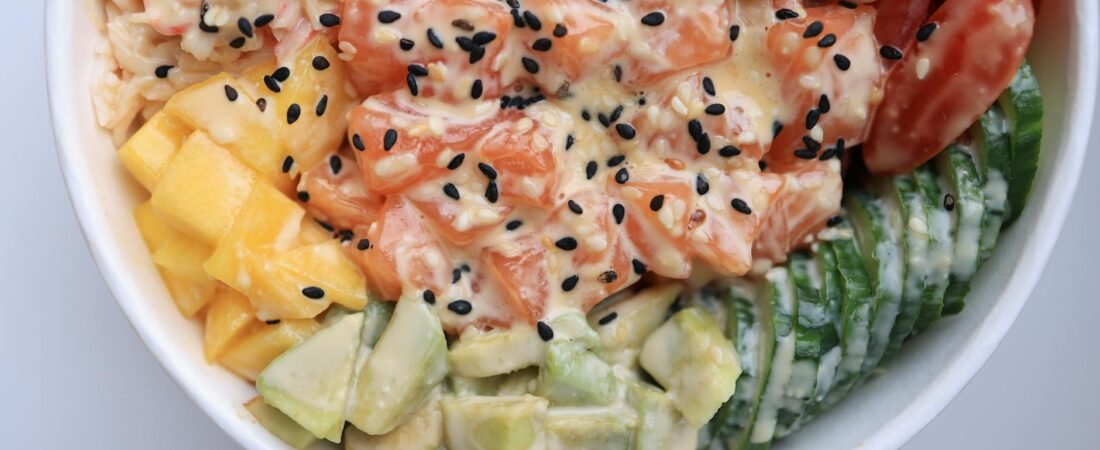
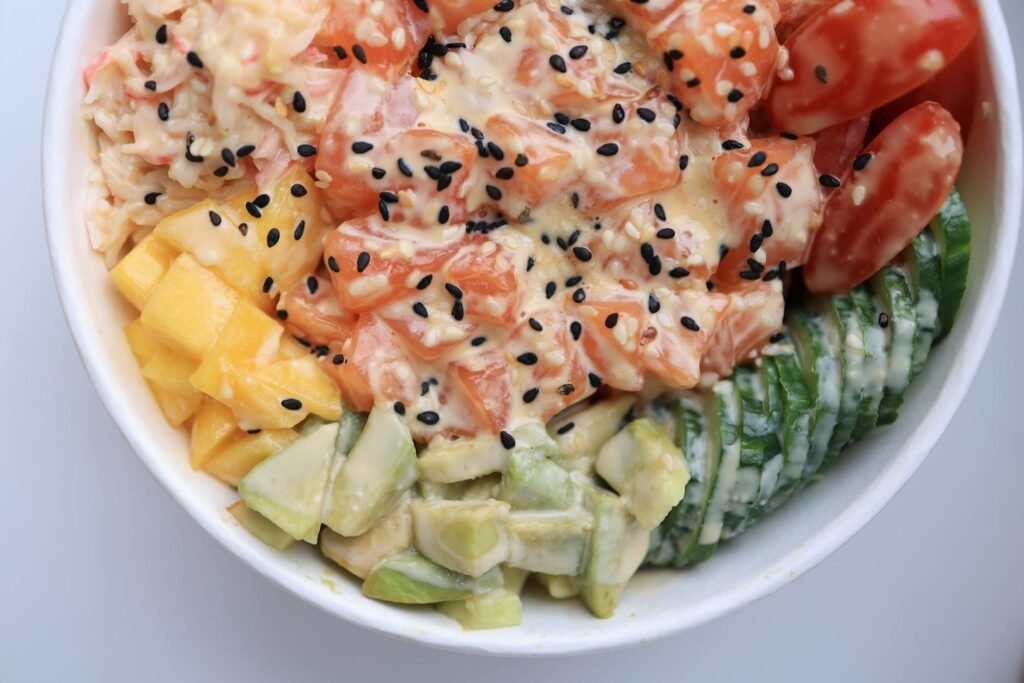
| Salmon-avocado cucumber bowl | About 26 g | Light dinner | Cool vegetables balance a richer protein |
| Shrimp-avocado chopped salad | About 23 g | Hot-weather meals | Fast-cooking protein with very little heaviness |
| Tuna-avocado tomato boats | About 27 g | No-cook lunch | Avocado replaces part of the mayo load |
| Tofu-avocado slaw bowl | About 23 g | Meatless dinner | Firm tofu brings protein and slaw adds bulk and crunch |
Six high-protein avocado meals that stay satisfying
1. Turkey-avocado crunch bowl
Among the group, the USDA desk lunch option provides most protein value. Based on USDA’s protein chart calculation using a weighted average, a serving of turkey breast (3 ounces cooked) should provide approximately 25.6 grams protein. You’ll add another approximate 36 grams of protein to your meal using 4 ounces (cooked) turkey plus 2/5 of a medium-sized avocado and without adding any vegetables to your meal. Construct using romaine, cucumber, tomato, radish and pickled onion as veggies in the salad. Use lemon juice, mustard, black pepper and a little salt as salad dressing. If you’d like to add a carbohydrate to your meal, use one slice of toast or a small portion of potatoes as your carbohydrate; do not use both carbohydrates.
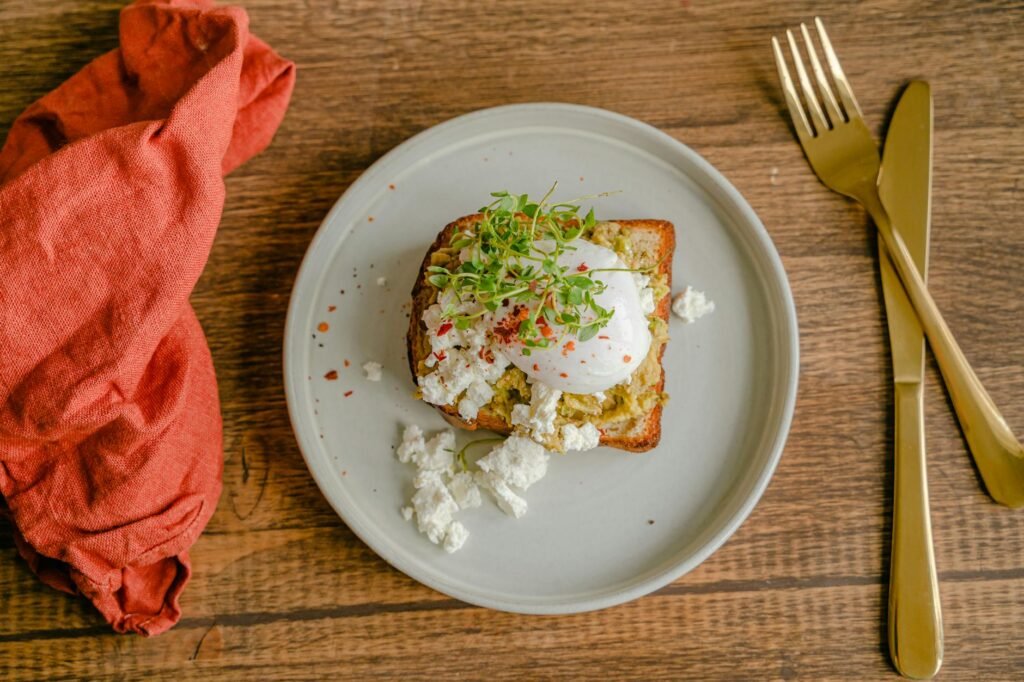
2. Cottage cheese, egg, and avocado toast plate
This is what avocado toast becomes when it is asked to behave like a meal instead of a snack. USDA’s archived nutrient lists put 4 ounces of low-fat 2% cottage cheese at about 11.8 grams of protein, and one large cooked egg adds about 6.3 grams. Add 2/5 avocado and you land around 20 grams of protein. The smart move is to serve the cottage cheese and egg openly on the plate instead of hiding them under extra cheese. Add sliced tomato, cucumber, red pepper flakes, and everything bagel seasoning if you like the savory breakfast route.
3. Salmon-avocado cucumber bowl
According to FDA’s cooked seafood chart, 3 ounces of cooked fish equals to 24 grams of protein from its 3 ounces of cooked fish which are excluded as per FDA’s chart. The addition of 2/5’s of an avocado, cucumber ribbons, greens, fresh herbs and a squeeze of lemon will allow a complete dinner plate without appearing as if you over filled your plate. A great way to assemble this meal is to keep the base light. For example, use shredded cabbage, mixed greens or cucumbers first as the base, and add rice only if you require additional fuel such as after exercising or on days in which you are physically more active.
4. Shrimp-avocado chopped salad
A serving of shrimp has roughly 21 grams of protein per 3 ounce portion (FDA), and this is an excellent way to quickly create a high-protein avocado dish that feels clean and light too. Simply combine cooked shrimp with chopped romaine lettuce, cucumbers, tomatoes, celery, cilantro, lime juice and 2/5 of an avocado, and you will have a delicious high-protein avocado meal. The key to making this meal work is to use little or no dressing. You don’t need to use any cream-based dressing but can simply use lime juice, vinegar, herbs, and/or spices as dressing; the avocado will provide enough fat to make the meal rich.
5. Tuna-avocado tomato boats
According to FDA, 3 ounces of tuna provides 26 grams of protein. Two ways to mix tuna are to combine it with chopped celery, mustard, lemon juice, dill, black pepper, and 1/5 avocado, either placing the mixture in a halved tomato or over sliced cucumbers/greens. Putting avocado in place of some or all of the mayonnaise makes these one of the best no-cook meals because the avocado replaces mayonnaise instead of being added on top. Before buying a can or a packet of tuna at the grocery store, review both products for salt content; the sodium levels can vary greatly between these choices and most people would not expect this to happen.
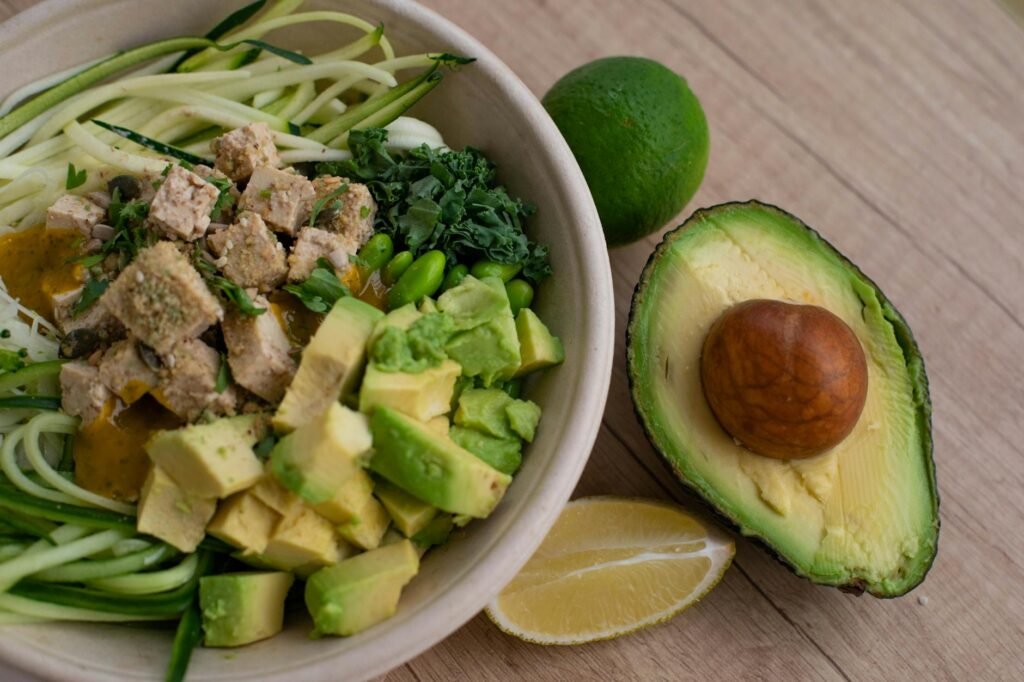
6. Tofu-avocado slaw bowl
The protein in 1/2 cup of firm tofu is approximately 21.8 grams as per USDA’s protein list in a meatless option. Cook the tofu until crispy by using either an air fryer or a frying pan and layer the tofu over a bagged slaw mix, sliced cucumber, scallions and 1/5 avocado with rice vinegar, lime juice and a light splash of soy sauce. Due to the use of slaw primarily creates bulkiness within the bowl, it will maintain its lightness when eaten. Adding peanut sauce, sesame oil, and more avocado all at once will change the bowl from being light to being very heavy instantly.
A realistic weekday example with numbers
Say you need a lunch that will carry you from 12:30 p.m. to a late afternoon commute. A bowl with 4 ounces of roasted turkey plus 2/5 of a medium avocado gives you about 36 grams of protein and about 267 calories before vegetables and dressing, based on USDA and FDA figures. Add two generous cups of romaine, cucumber, tomatoes, and radish, then finish with mustard and lemon. That is a much different lunch from avocado toast alone. The avocado is still there, but it is supporting the meal rather than pretending to be the meal.
How to make these meals in 15 minutes or less
- Pick two protein anchors for the week: one no-cook option like tuna or turkey, and one cooked option like salmon, shrimp, or tofu.
- Prep three crunchy produce items at once, such as cucumber, tomatoes, slaw mix, lettuce, or radishes.
- Portion avocado after the rest of the plate is built. This helps you use enough for satisfaction without turning it into half the meal.
- Use acid and seasoning for flavor before you reach for creamy dressing. Lemon, lime, mustard, vinegar, herbs, and chili flakes do a lot of work.
- Only add the starch after the plate passes the A.V.O. check. If the meal already feels satisfying, you probably do not need a large grain base.
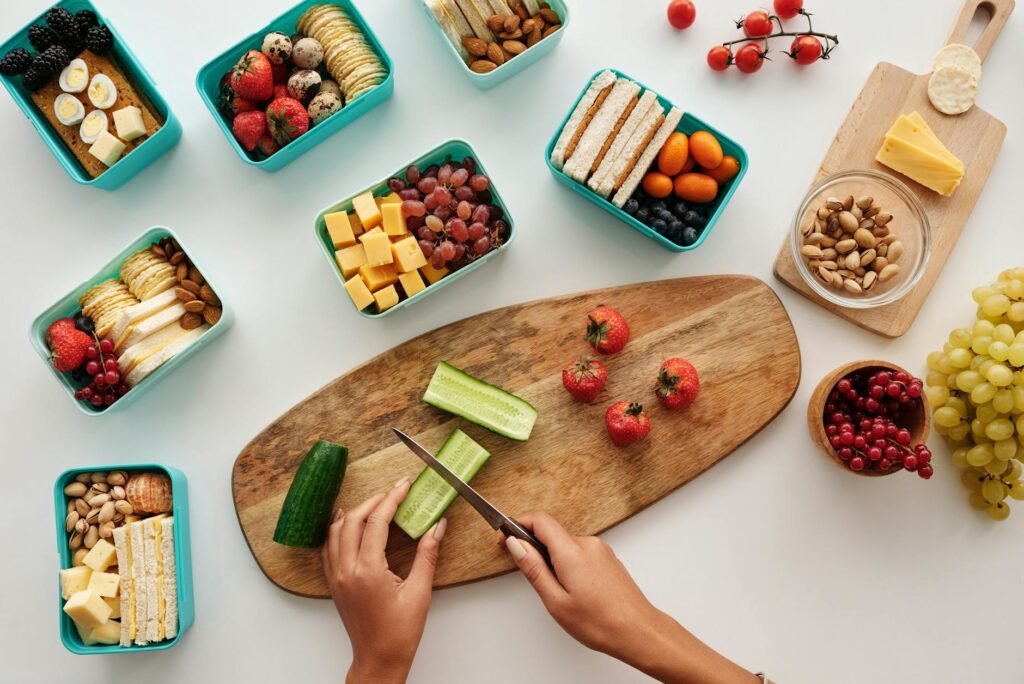
Common mistakes that make avocado meals feel heavy
- Counting avocado as the protein source. It is not. Use eggs, seafood, tofu, turkey, or dairy to do that job.
- Building the meal on bread or rice first, then treating protein like a garnish.
- Using avocado and another rich binder, such as mayo or creamy dressing, in the same generous amount.
- Adding cheese, nuts, bacon, and oil on top of avocado without scaling something back.
- Skipping high-volume produce so the meal is small but dense.
- Ignoring the Nutrition Facts label on packaged proteins. FDA uses 5% Daily Value as low and 20% Daily Value as high, which is especially useful when comparing sodium in deli turkey, cottage cheese, tuna packets, and sauces.
What to do when the first plan still is not enough
Don’t panic if your hunger returns within 1-2 hours after eating avocado! The reason for your hunger could very likely be attributed to a light meal that contains “too little protein” or not enough total food. Start by increasing proteins – 1 additional egg, 2 ounces turkey (or shrimp), or a larger portion of tofu. If this doesn’t help, you may need to increase the amount of food (rather than adding calories). This could be done by adding a side of rice or beans, potatoes, or toast. Once you’ve added these sides, see if you feel satisfied after eating again.
If your meal is heavy or rich then reduce the amount of avocado to 1/5 – 1/4, as well as eliminate one of your two fat sources before reducing your protein. If acid reflux from avocados is an issue for you, use smaller quantities of avocado and move toward more crisp vegetables and/or citruses along with a leaner protein to balance your meal. It is important to not try to fit avocados into every meal, but rather when they are included in your meals, to use them appropriately.
How to pressure-test the advice on your own plate
- Check the protein line first. If your main ingredient does not get you close to 20 grams, the meal may eat more like a snack than a meal.
- Look for the richness stack. If avocado, cheese, nuts, oily dressing, and mayo all show up, remove one or two before you judge the meal.
- Use FDA’s label rules to compare packaged items. A sodium level at 5% Daily Value or less is low; 20% or more is high.
- Track how you feel three hours later. Getting hungry quickly usually means you need more protein or a measured carb side. Feeling sluggish usually means the meal was too rich, too large, or both.
Bottom line
While avocados can sometimes bring an entire meal together on their own, they’re best utilized as part of a larger meal with a strong foundation of another food. If the other food has some protein (think fish or chicken), you can add a variety of vegetables (fruits, too!) surrounding the base food to fill you up. And if you only add one high-fat food to your plate (such as avocado) versus having multiple high-fat foods on your plate, you’ll find that your meals are lighter, more filling, and last longer.
FAQ
Is avocado toast enough protein for breakfast?
Generally speaking, avocado is not very high in protein and can’t be eaten alone as a complete protein. Use eggs, cottage cheese, tofu, tuna (or other defined complete protein) when preparing any type of avocado toast as a protein source to enhance the meal if you’re looking for a more traditional breakfast.
What is the best no-cook protein to pair with avocado?
Tuna, deli turkey, cottage cheese, and pre-cooked shrimp are all practical. The best one is the one you will keep stocked and actually eat. For packaged choices, compare labels for both protein and sodium.
How much avocado should I use if I want the meal to stay light?
For example, if you are having a salmon meal or one with other proteins and/or fats such as cheese, nuts and/or dressings, a typical place to start would be 1/5-2/5 of a medium avocado; you can always add more later on if the rest of the meal is leaner in protein or fat.
Do I need a grain or starch with these meals?
Not every instance is a meal composed of protein, avocado and lots of produce sufficient for a lighter lunch or low activity day. In situations where you want the meal to last longer or you have a higher level of activity, you can always add a measured amount of starchy food to the base of the meal after it is already established as part of the meal.
Can I make these meals dairy-free?
Yes. Use tofu, tuna, salmon, shrimp, turkey, or edamame as the protein anchor and build flavor with citrus, herbs, mustard, vinegar, and spices instead of cheese or yogurt.
What is the easiest way to tell whether a high-protein avocado meal actually works for me?
Eat the same meal structure two times. Note 1) how long it takes to feel hungry again and, 2) how heavy you feel after eating. If you feel too soon to eat again, increase your protein or add a carb side that has a moderate amount of carbohydrates; if you feel heavy after eating, reduce avocado or reduce some other fatty food source.
References
- FDA Raw Fruits Poster (Text Version / Accessible Version) – https://www.fda.gov/food/food-labeling-nutrition/raw-fruits-poster-text-version-accessible-version?trk=public_post_comment-text
- FDA Nutrition Information for Cooked Seafood (Purchased Raw) – https://www.fda.gov/food/nutrition-food-labeling-and-critical-foods/nutrition-information-cooked-seafood-purchased-raw
- USDA National Agricultural Library: Nutrient Lists from Standard Reference Legacy (2018) – https://www.nal.usda.gov/human-nutrition-and-food-safety/nutrient-lists-standard-reference-legacy-2018
- USDA Protein Nutrient List PDF – https://www.nal.usda.gov/sites/default/files/page-files/Protein.pdf
- USDA Total Dietary Fiber Nutrient List PDF – https://www.nal.usda.gov/sites/default/files/page-files/Total_Dietary_Fiber.pdf
- USDA Total Kilocalories Nutrient List PDF – https://www.nal.usda.gov/sites/default/files/page-files/Total%20Kcal.pdf
- MyPlate Protein Foods Group – https://www.myplate.gov/eathealthy/protein-foods/protein-foods-nutrients-health?post=08132019a
- FDA Daily Value on the Nutrition and Supplement Facts Labels – https://www.fda.gov/food/nutrition-facts-label/daily-value-nutrition-and-supplement-facts-labels?apid=37930398&rvid=53bf11102c60035374476a84f6a52bdaada05ad855475c9a438ce18e95f04b96
- FDA How to Understand and Use the Nutrition Facts Label – https://www.fda.gov/food/resourcesforyou/consumers/ucm274593.htm
- FDA Sodium in Your Diet – https://www.fda.gov/food/nutrition-education-resources-materials/sodium-your-diet