Avocados feel unpredictable because creaminess is not just a matter of waiting a day or two. The fruit has to reach enough maturity on the tree, then go through ethylene-driven softening after harvest, and it can still lose quality if it sits too hot or too cold. That is why one avocado turns buttery while another stays rubbery or develops brown streaks. (ipm.ucanr.edu)
For grocery shoppers in the U.S., this is more of an issue of waste than a mystery for foodies. Buying the wrong avocado-ripeness stage for planning taco night next week, or for preparing lunches or brunches, means that not only do you not have the proper texture, but also you’re being charged fruit prices for items you may never eat. Rather than asking, “Is the avocado ripe?”, a more important question would be, “Is the avocado the appropriate ripeness for what I have planned?”
Table of Contents
- TL;DR
- What ripeness actually changes
- The CREAM test: a fast filter for buying the right avocado
- A decision table for real shopping trips
- A grocery-budget example
- How to ripen and store avocados without sabotaging texture
- Common mistakes that make avocados disappointing
- When the first plan fails
- How to pressure-test this advice in your own kitchen
- Bottom line
- FAQ
- References
TL;DR
- Creaminess starts before purchase: avocado maturity is tied to dry matter and oil content, and fruit picked too early can stay rubbery instead of turning rich. (postharvest.ucdavis.edu)
- After harvest, rising ethylene and cell-wall breakdown soften the flesh; that is the science behind the shift from firm to buttery. (postharvest.ucdavis.edu)
- Room temperature helps hard avocados ripen, but heat above about 25°C and refrigeration at the wrong stage can hurt quality or slow ripening too much. (ucanr.edu)
- Buying by use date and recipe type is one of the easiest ways to cut avocado waste. Use softer fruit for mash, firmer fruit for slices, and refrigerate only once the fruit is ripe or nearly ripe. (californiaavocado.com)
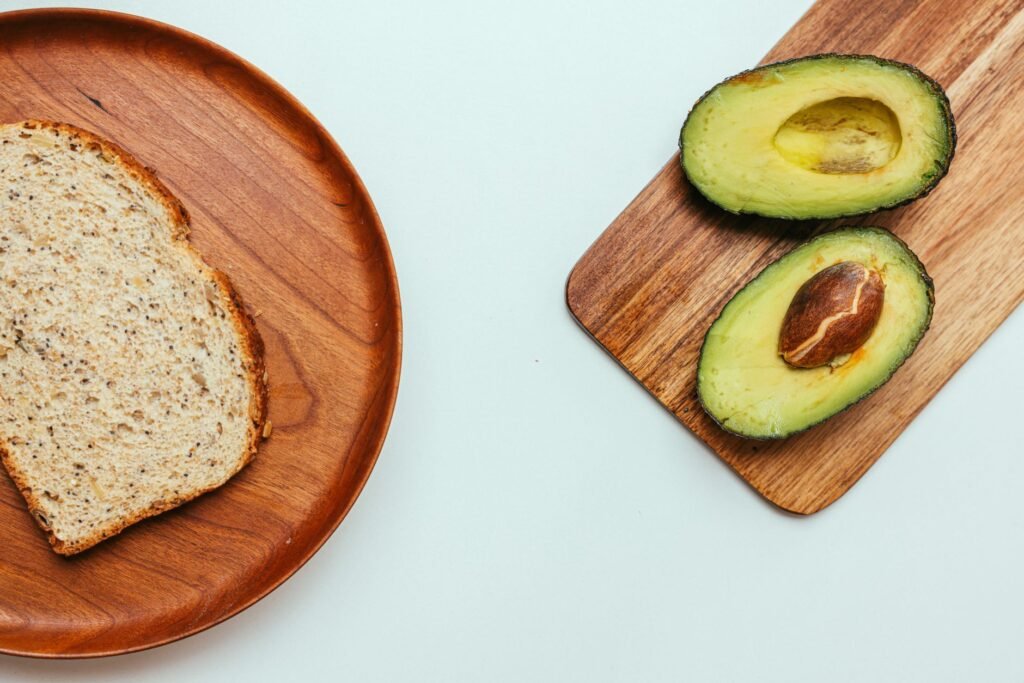
What ripeness actually changes
Before an avocado can get creamy, it has to be mature enough to ripen well. UC Davis notes that dry matter is highly correlated with oil content and is used as a maturity index, and UC IPM notes that oil percentage does not increase after harvest. In plain English, counter time can soften an avocado, but it cannot fix fruit that was picked before it had enough internal richness to begin with. (postharvest.ucdavis.edu)
Once harvested, avocados act like a classic climacteric fruit. Ethylene production ramps up, respiration increases, and the cell wall structure starts to loosen. Research summaries describe avocado softening as cell-wall disassembly, especially changes in pectins and related polysaccharides. That is why ripe avocado feels less rigid and more spoonable instead of simply wetter. (postharvest.ucdavis.edu)
Ripeness also changes handling tolerance. UC Davis notes that soft avocados need careful handling because they are easier to damage, while overmature fruit can develop off-flavors or rancidity. So the ideal avocado window is not just about softness; it is the overlap between good flavor, low damage, and the texture your meal needs. (postharvest.ucdavis.edu)
After you cut into the fruit, a different process takes over. Browning is largely an oxygen-and-enzyme problem: when cells are damaged and oxygen reaches polyphenol oxidase and its substrates, brown pigments form. That surface browning can look unappealing before the avocado is actually unsafe, although sour or moldy fruit should still be discarded. (pubmed.ncbi.nlm.nih.gov)
The CREAM test: a fast filter for buying the right avocado
Use the CREAM test for produce aisle relevant/related scientific inquiry. The CREAM test is the five stage buying filter for real household purchase; however, the five stage filter process allows the user to match a particular avocado to a specific meal so that the user does not have to rush through completing the recipe or discard the avocado.
- C – The calendar starts with the date of the meal. If you have a meal to prepare for tonight, use clear, gentle give (softness), while if you have 3 – 5 days to prepare, you will want to purchase hard-shelled fruits and allow time to ripen.
- R – Resistance: Press gently with your whole hand, not a fingertip. Slight yield usually means ready or close; rock-hard means not yet; collapsing spots mean too far gone for anything but immediate mash. (californiaavocado.com)
- E – Evenness: Softness should feel fairly even. Skip fruit with one mushy patch, leaking, or obvious bruised areas because damaged produce breaks down faster and may need trimming or discarding. (fda.gov)
- A – Application: Match texture to the job. Firm-ripe fruit is better for slices or cubes that need shape; softer ripe fruit is better for guacamole, spreads, or dressing. (californiaavocado.com)
- M – Move it: Hard fruit belongs on the counter. Ripe or nearly ripe fruit can go to the refrigerator to buy time. Cut fruit needs cold storage right away. (californiaavocado.com)
The scoring everything that passes through each CREAM gets 1 points. If you give an avocado a score of 5, you are confident enough to buy it. If you give an avocado a score of 4 you generally can use it for many purposes but probably will want to have a back-up plan in case you don’t get to use the avocado as planned. If your avocado gets a score of 3 or lower, you probably should only purchase it if it is discounted and you intend to use it to cook with quickly after purchase. Please note that this is not a laboratory established standard, but is our kitchen standard which is typically what most of the potential buyers will choose to follow.
A decision table for real shopping trips
| If you plan to eat it… | Buy fruit that feels… | Best storage move | Best use | Pass if… |
|---|---|---|---|---|
| Tonight | Soft with even gentle give | Keep at room temperature until the meal; if dinner is delayed, refrigerate | Guacamole, toast, mash | Sunken spots, sour smell, leaking skin |
| Tomorrow or next day | Firm-ripe with slight spring-back | Counter today, then chill once it hits ready | Slices for bowls, sandwiches, salads | Hard as a stone or already collapsing |
| 3 to 5 days away | Hard, no give | Ripen on the counter; a paper bag with an apple or kiwi can speed it up (ucanr.edu) | Flexible for later meals | Fruit that already feels patchy-soft |
| Already cut | Not a buying stage; this is salvage mode | Citrus or vinegar on the cut surface, airtight container, refrigerate, use within 1 to 2 days (spendsmart.extension.iastate.edu) | Spread, mash, dressing | Moldy or sour fruit |
A grocery-budget example
Imagine a two-adult household planning avocado toast on Wednesday, taco bowls on Friday, and a Saturday get-together with guacamole. The store price is $1.69 each. If they buy six soft avocados because all six look ready, the batch costs $10.14, and losing just two to overripeness wastes $3.38 before tax. If they instead buy two ripe, two firm-ripe, and two hard avocados, they can stage usage across the week and lower the odds of spoilage.
For this reason; ripeness science connects with budgeting conversations. It’s true that individually avocados can be considered fairly inexpensive; however, their waste occurs in a sneaky way by having you be forced to eat them based on what’s already been purchased – then work around when the fruit wants to produce a new cycle. You could easily do a CREAM diagnostic test which would allow you to make accurate inventory decisions as opposed to just guessing.
How to ripen and store avocados without sabotaging texture
Storage is where many good avocados go bad. The short version is: ripen first, refrigerate later, and keep cut fruit cold. (ucanr.edu)
- Leave hard avocados at room temperature. UC ANR notes that avocados typically ripen in about 7 to 10 days without help, and Iowa State says paper-bag ripening usually takes 2 to 5 days depending on the starting stage. (ucanr.edu)
- If you need to speed things up, use a loosely closed paper bag with an apple or kiwifruit. The companion fruit gives off ethylene, which helps stimulate avocado ripening. (ucanr.edu)
- Once the fruit is ripe or firm-ripe, move it to the refrigerator. UC Davis lists 36°F to 40°F for ripe avocados, and Iowa State says a ripe uncut avocado can keep for roughly 3 to 4 days in the fridge. (postharvest.ucdavis.edu)
- For cut avocado, add lemon or lime juice or a little vinegar, press wrap or an airtight lid against the surface as much as possible, and refrigerate. Use it within about 1 to 2 days for best quality. (spendsmart.extension.iastate.edu)
- Wash the avocado under running water before you cut it, and use clean hands, a clean knife, and a clean cutting board. FDA guidance stresses this even when you do not eat the peel, because the knife can drag surface contamination into the flesh. (fda.gov)
Warning: Do not try to fake-ripen avocados in a microwave or oven. Consumer guidance from California avocado experts notes that this may soften the flesh but does not create true ripeness, and UC ANR research found that even short exposure to temperatures above 25°C after harvest can inhibit proper ripening and increase disorders. (californiaavocado.com)
Common mistakes that make avocados disappointing
- Buying all your avocados at one stage. That works only if you plan to use them all within the same narrow window.
- Refrigerating rock-hard fruit. Cold slows ripening and, in some cases, can leave mature-green avocados with poor ripening or internal browning. (californiaavocado.com)
- Shopping by color alone. Hass often darkens as it ripens, but color is not a reliable stand-alone test across avocado varieties. Gentle pressure tells you more. (californiaavocado.com)
- Poking hard with fingertips. That can bruise ripe fruit and create the very soft spots you were trying to avoid. Using the whole palm is safer. (californiaavocado.com)
- Treating every brown spot as spoilage. A browned cut surface is often oxidation, while sour odor, mold, or widespread internal damage is the bigger red flag. (pubmed.ncbi.nlm.nih.gov)
When the first plan fails
Sometimes the fruit is the problem, not your technique. If an avocado softens poorly, stays rubbery, or shrivels instead of turning lush, it may have been picked before it reached enough maturity. Because oil percentage does not increase after harvest, time on the counter cannot fully rescue that fruit. (ipm.ucanr.edu)
Other failures are storage-related. UC Davis notes that avocados held too cold for too long can develop chilling injury, including skin pitting, flesh browning, failure to ripen, and greater susceptibility to decay. Heat can also create problems, including stem-end rot and internal discoloration. (postharvest.ucdavis.edu)
- If the flavor is good but the flesh is a little firmer than you wanted, cube it small for a grain bowl or blend it into a dressing.
- If the fruit is slightly overripe but still tastes clean, use it the same day for guacamole, a spread, or baking.
- If it smells sour or moldy, or if large sections are blackened and taste off, discard it or return it if the store allows produce refunds. (californiaavocado.com)
How to pressure-test this advice in your own kitchen
The easiest way to verify whether this advice works in your kitchen is to run a tiny controlled test. Avocado timing depends on the fruit’s starting stage and on your home’s actual temperature, so a one-week trial can teach you more than vague online tips. FDA also recommends using a refrigerator thermometer, and ripe avocados keep best cold while cut produce should be refrigerated promptly. (fda.gov)
- Buy three avocados on the same trip: one soft, one firm-ripe, and one hard.
- Write the date on a sticky note and decide the intended use for each one: mash, slices, or later in the week.
- Check firmness once a day with your palm, not your fingertips, and note how many days it takes each fruit to reach your target stage. (californiaavocado.com)
- Cut each fruit when it feels ready and grade it on three things: creaminess, sliceability, and browning speed after 20 minutes.
- Check your refrigerator with a thermometer. FDA says 40°F or below is the safe benchmark, and UC Davis gives ripe avocados a best-quality range of 36°F to 40°F. (fda.gov)
After one round, you will know far more about your store’s typical avocado stage and your kitchen’s ripening speed. That turns future buying from guesswork into repeatable grocery planning.
Bottom line
Creamy avocado is not magic. It is the result of enough maturity before harvest, followed by the right postharvest softening and decent temperature control. Buy by meal date, not just by appearance; keep hard fruit on the counter; refrigerate ripe fruit; and do not expect an immature or heat-damaged avocado to turn into buttery perfection just because you waited longer. (postharvest.ucdavis.edu)
FAQ
Why does a hard avocado sometimes never turn creamy?
Usually because softness and creaminess are not the same thing. If fruit was picked before it reached enough maturity, it may soften poorly or stay rubbery because oil content does not increase after harvest. (ipm.ucanr.edu)
Does the paper-bag-with-an-apple trick actually work?
Yes. Apples and kiwifruit give off ethylene, and UC ANR guidance says that trapping that gas in a loosely closed paper bag can help stimulate avocado ripening faster. (ucanr.edu)
Should I refrigerate avocados before they are ripe?
Usually not if the fruit is still hard. Cool temperatures slow ripening, and consumer guidance warns that refrigerating hard avocados can leave them incompletely ripened or even inedible. Refrigeration makes more sense once the fruit is ripe or nearly ripe. (californiaavocado.com)
Is a brown avocado bad, or just oxidized?
A brown cut surface is often oxidation, not instant spoilage. Enzymatic browning happens when oxygen reaches the damaged tissue. But if the fruit smells sour or moldy, or tastes clearly off, discard it. (pubmed.ncbi.nlm.nih.gov)
Which stage is best for guacamole versus slices?
Use softer ripe fruit for guacamole, spreads, and dressings. Use firm-ripe fruit when you want clean slices or cubes that hold their shape. (californiaavocado.com)
How long does a cut avocado keep in the fridge?
Iowa State consumer guidance puts cut avocado at about 1 to 2 days in the refrigerator for best quality, especially if you protect the surface with lemon or lime juice, vinegar, and tight wrapping or an airtight container. (spendsmart.extension.iastate.edu)
References
- UC Davis Postharvest Research and Extension Center: Avocado – https://postharvest.ucdavis.edu/produce-facts-sheets/avocado
- UC IPM: Harvesting and Storing Avocados – https://ipm.ucanr.edu/home-and-landscape/harvesting-and-storing-avocados/
- UC ANR Topics in Subtropics: When an Avocado is Ripe – https://ucanr.edu/blog/topics-subtropics/article/when-avocado-ripe
- UC ANR Topics in Subtropics: Hot Avocados Don’t Ripen Right – https://ucanr.edu/blog/topics-subtropics/article/hot-avocados-dont-ripen-right
- FDA: Selecting and Serving Produce Safely – https://www.fda.gov/food/buy-store-serve-safe-food/selecting-and-serving-produce-safely
- Iowa State Extension: Avocado – https://spendsmart.extension.iastate.edu/produce-item/avocado/
- PubMed: Enzymatic browning in avocado review – https://pubmed.ncbi.nlm.nih.gov/27172067/
- California Avocados: How to Choose and Use an Avocado – https://californiaavocado.com/how-to/how-to-choose-and-use-an-avocado/
- California Avocados: How to Ripen Avocados – https://californiaavocado.com/how-to/how-to-ripen-an-avocado/